Why Defence Suppliers Must Begin Positioning Now for the Pakistan Air Force's 2030 Fighter Acquisition Program

Summary
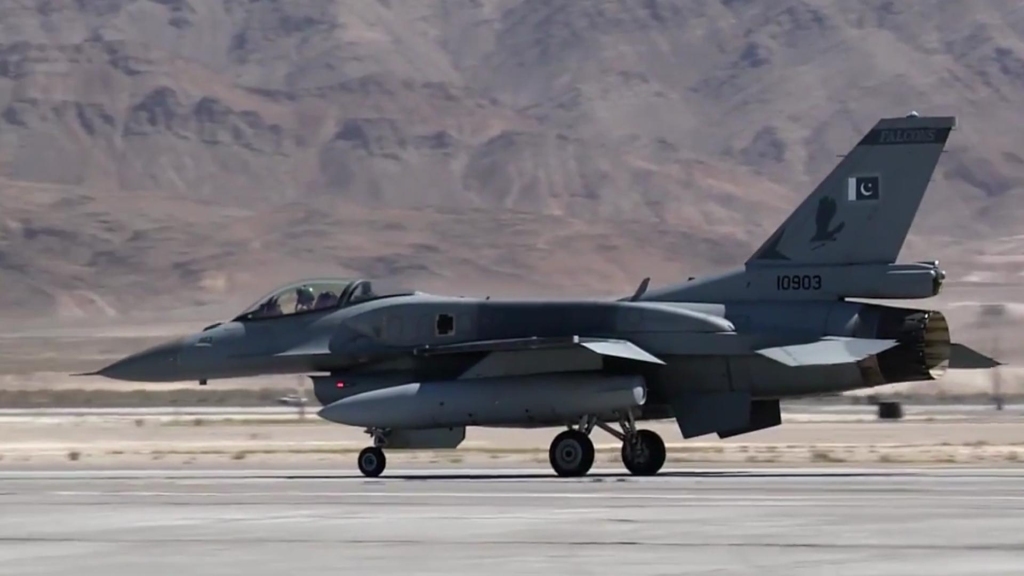
The Pakistan Air Force is approaching a significant procurement cycle beginning around 2030, driven primarily by the scheduled retirement of its aging F-16A/B Block-15 fleet by 2040, a timeline reinforced by a $686 million U.S. support and upgrade deal signed in December 2025. Unlike the newer F-16C/D variants, the older F-16A/Bs have no available Service Life Extension Program (SLEP), meaning the aircraft cannot safely exceed 8,000 flight hours or operate meaningfully beyond the 2030s as airframes approach 50 years of age. The PAF will therefore need to replace approximately 50-55 F-16A/Bs with roughly 40 next-generation fighter aircraft (NGFA), with the Chinese Shenyang J-35AE currently emerging as the leading candidate given its generational capability leap. However, the author argues the decision is not straightforward, as the F-16's exceptional availability rates, ease of maintenance, operational maturity, and interoperability with NATO and regional partners like Saudi Arabia, Qatar, and Turkey represent significant factors that any replacement must be evaluated against. While the PAF's growing preference for Chinese defence solutions may ultimately favor the J-35AE, broader strategic and diplomatic considerations, including potential security cooperation with Gulf Arab states, could still meaningfully influence the final procurement decision.
Key Takeaways
- 1. **Retirement Timeline Creates Urgency:** The PAF's F-16A/B fleet faces mandatory retirement by 2040 due to airframe age limits and the absence of a SLEP, making next-generation fighter procurement a near-term strategic priority rather than a distant planning exercise.
- 2. **J-35AE Leads but Is Not Guaranteed:** China's Shenyang J-35AE is currently the frontrunner to replace the F-16A/Bs, representing the only true fifth-generation option available to Pakistan, but it has not yet been formally confirmed as the selected platform.
- 3. **Interoperability Carries Strategic Weight:** The PAF's ability to operate alongside NATO-aligned regional partners, particularly Gulf Cooperation Council air forces like Saudi Arabia and Qatar, could be undermined by selecting a Chinese platform incompatible with Western systems and standards.
- 4. **Pakistan's Defence Alignment Is Shifting:** The PAF's increasing reliance on Chinese defence solutions signals a long-term strategic pivot away from Western suppliers, though Pakistan may still seek to preserve select Western relationships for diplomatic and regional leverage purposes.
- 5. **Vendors Must Prepare Early:** Given the scale and long-term implications of this procurement cycle, both Chinese and Western defence vendors need to begin positioning their offerings well ahead of 2030 to influence PAF requirements, doctrine, and ultimately the final acquisition decision.