Pakistan Launches Cross-Border Military Operations into Afghanistan Following Militant Attack on Karachi Security Forces

Summary
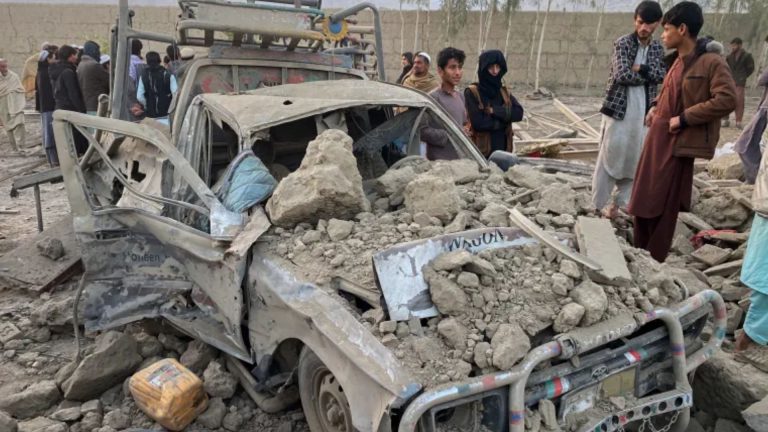
Pakistan's military conducted a two-phase retaliatory operation on the night of June 28-29, combining a ground intelligence-based mission in Bajaur that killed a high-value TTP-linked commander and three others, alongside precision cross-border airstrikes targeting militant camps in Afghanistan's Paktia, Paktika, and Kunar provinces that reportedly killed 25 fighters. The operations were triggered by a militant assault on the Karachi Rangers headquarters that killed three Pakistani soldiers, with an identified Afghan national among the captured attackers, and Jamaat-ul-Ahrar claiming responsibility. While Pakistan framed the cross-border strikes as defensive and necessary to protect its citizens, it stopped short of formally drawing a direct operational link between the Karachi attack and the Afghan strikes. These strikes represent the second such cross-border operation within roughly three weeks, following similar June 10 strikes on Afghan provinces that generated a significant dispute over civilian casualties, with Kabul reporting 13 civilian deaths including children. The broader conflict has been escalating since late February 2026, when Pakistan declared "open war" following Taliban retaliatory strikes on Kabul and Kandahar, with the UN documenting at least 372 Afghan civilian deaths in the first three months of 2026 alone.
Key Takeaways
- 1. **Escalating Retaliatory Doctrine:** Pakistan has established a clear pattern of rapid cross-border military responses to domestic militant attacks, signaling a more aggressive and assertive security posture toward Afghanistan-based militant sanctuaries
- 2. **TTP and Jamaat-ul-Ahrar as Primary Threats:** Both organizations continue to conduct high-profile attacks on Pakistani security infrastructure deep inside urban centers like Karachi, demonstrating significant operational reach beyond the tribal border regions
- 3. **Sovereignty and Diplomatic Breakdown:** The repeated strikes into Afghan territory without Kabul's consent, combined with collapsed Istanbul peace talks and no Afghan government response, indicate a severely deteriorated bilateral relationship with no immediate diplomatic resolution in sight
- 4. **Civilian Casualty Disputes Undermine Legitimacy:** The recurring gap between Pakistan's reported militant casualty figures and Afghanistan's civilian death tolls poses serious strategic risks, potentially fueling greater regional instability and undermining international support for Pakistan's counterterrorism operations
- 5. **Regional Security Architecture Under Strain:** With over 372 civilian deaths documented by the UN in early 2026 and no functioning peace mechanism, the Pakistan-Afghanistan conflict risks becoming a protracted low-intensity war with significant humanitarian consequences and broader regional destabilization implications