China Commemorates 89 Years Since the Launch of Its National War of Resistance Against Japan

Summary
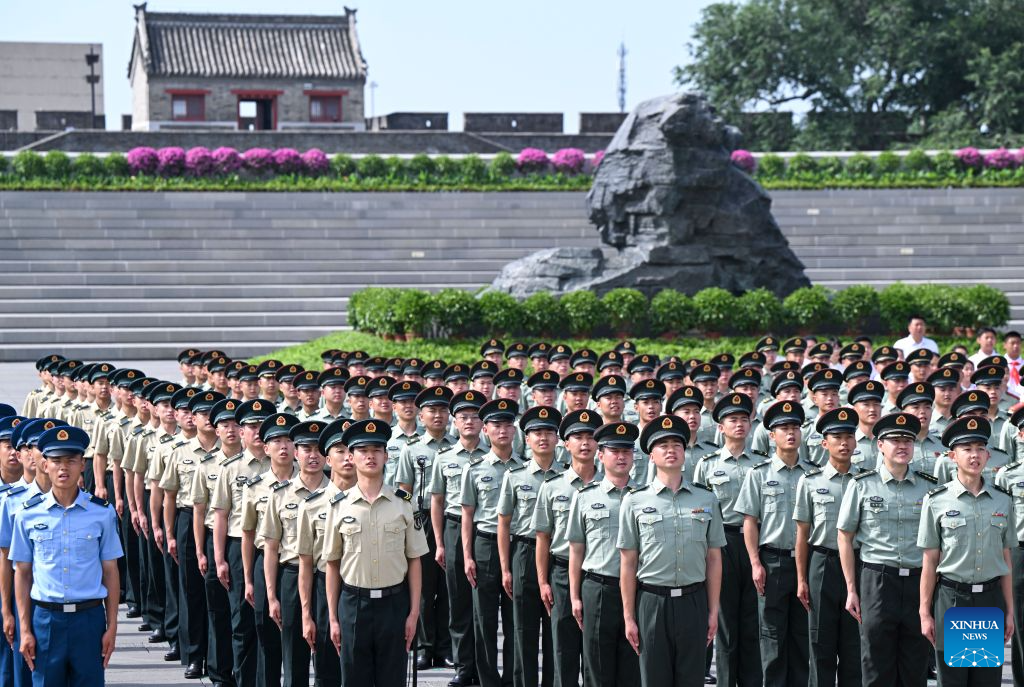
China held nationwide ceremonies on July 7, 2026, to commemorate the 89th anniversary of the July 7th Incident of 1937, when Japanese forces attacked a Chinese garrison near Beijing's Lugou Bridge, triggering China's full-scale national resistance against Japanese invasion. Senior CPC official Yin Li presided over the main ceremony at the Museum of the War of the Chinese People's Resistance Against Japanese Aggression, where attendees paid tribute to those who sacrificed their lives during the conflict. Chinese officials and scholars used the occasion to draw direct parallels to contemporary Japanese military posturing, specifically criticizing Japan's recent easing of lethal weapons export restrictions and its hints at potential military intervention in a Taiwan contingency. Commemorative events also took place in Taiwan, where political parties and civic groups emphasized that the shared history of resistance against Japanese colonization forms a critical foundation for cross-Strait peace and mutual trust, while opposing attempts to distort or glorify colonial history. The commemorations served a dual purpose of honoring historical memory while sending a pointed political and strategic message regarding China's concerns over Japan's perceived drift toward renewed militarism.
Key Takeaways
- 1. **Historical-Strategic Messaging:** China is deliberately leveraging wartime commemorations as a platform to signal strong opposition to Japan's evolving military posture and defense policy shifts
- 2. **Japan's Defense Policy Concerns:** China specifically condemned Japan's easing of lethal weapons export restrictions as a provocative move reminiscent of past militarism, reflecting Beijing's deepening concerns about Japanese rearmament
- 3. **Taiwan as a Strategic Flashpoint:** Japan's public hints at potential military intervention in a Taiwan contingency are being framed by China as particularly alarming, given Japan's colonial history over Taiwan and its implications for cross-Strait stability
- 4. **Cross-Strait Narrative Unity:** Beijing is actively promoting a shared Chinese national identity across the Taiwan Strait through common wartime historical memory, using anti-Japanese resistance as a unifying ideological and political tool against Taiwan's pro-independence narratives
- 5. **Neo-Militarism Warning:** Chinese officials and scholars are drawing explicit comparisons between Japan's current defense trajectory and its pre-WWII militarist expansion, suggesting Beijing views Japan's strategic realignment as a serious long-term regional security threat