Commemorative Artwork Marks 89th Anniversary of the Landmark July 7th Lugou Bridge Incident

Summary
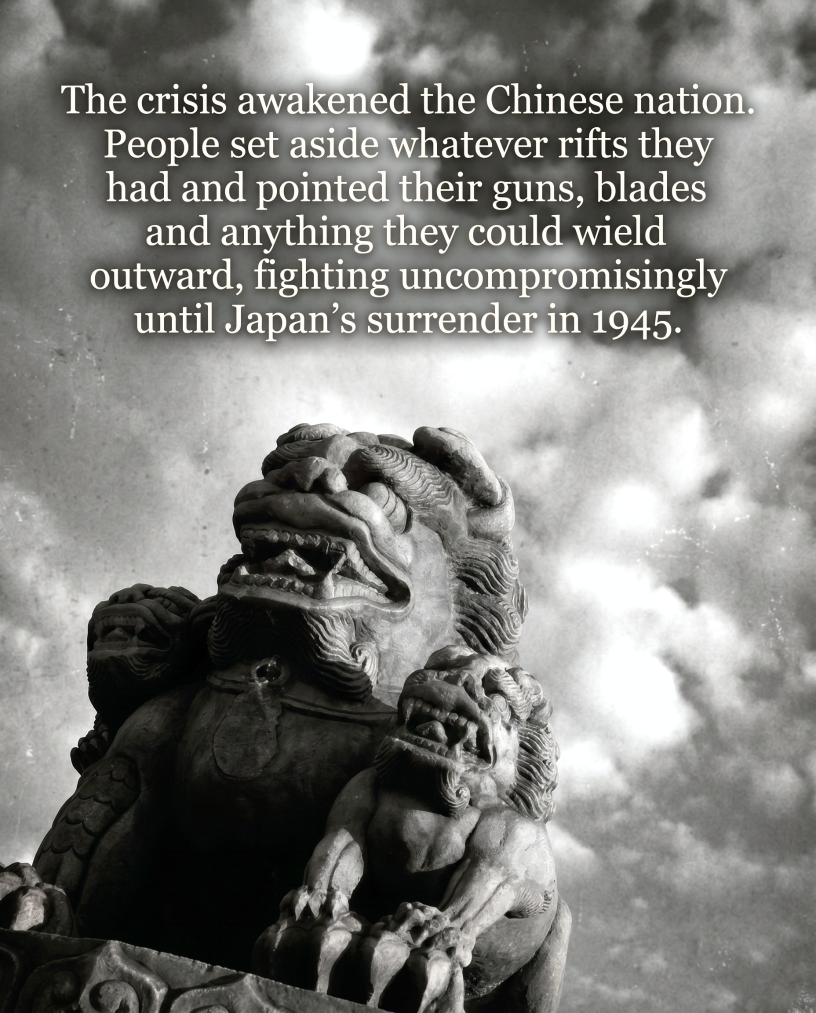
The July 7th Incident, commonly referred to as the Lugou Bridge Incident, occurred in 1937 and represents a pivotal moment in Chinese military history, marking the beginning of Japan's full-scale military invasion of China. The event served as a unifying catalyst for the Chinese nation, compelling previously divided factions to set aside internal conflicts and collectively resist Japanese aggression through armed struggle. This nationwide resistance effort continued unrelentingly for eight years until Japan's formal surrender in 1945, representing one of China's most significant and costly military campaigns. Despite the dramatic transformation of China's landscape over the intervening decades, the historic walled town of Wanping has been deliberately preserved, with its battle-scarred walls maintained as a tangible memorial to the conflict. As China marks the 89th anniversary of this incident, commemorative posters serve as cultural reminders of the sacrifices made during this defining chapter of Chinese military and national history.
Key Takeaways
- 1. The July 7th Incident of 1937 represents the formal trigger point of Japan's full-scale military invasion of China, making it a foundational event in Chinese national defence history
- 2. The incident demonstrated the strategic importance of national unity, as internal political divisions were subordinated to collective military resistance against external aggression
- 3. China's eight-year armed resistance until Japan's 1945 surrender highlights the nation's long-term military resilience and strategic endurance
- 4. The preservation of Wanping's damaged fortifications reflects China's deliberate use of historical memory as a tool for national identity and defence consciousness
- 5. Annual commemorations signal China's continued emphasis on historical grievances as part of its contemporary national security narrative and strategic messaging