China and Russia Complete Their 11th Combined Long-Range Air Patrol Mission

Summary
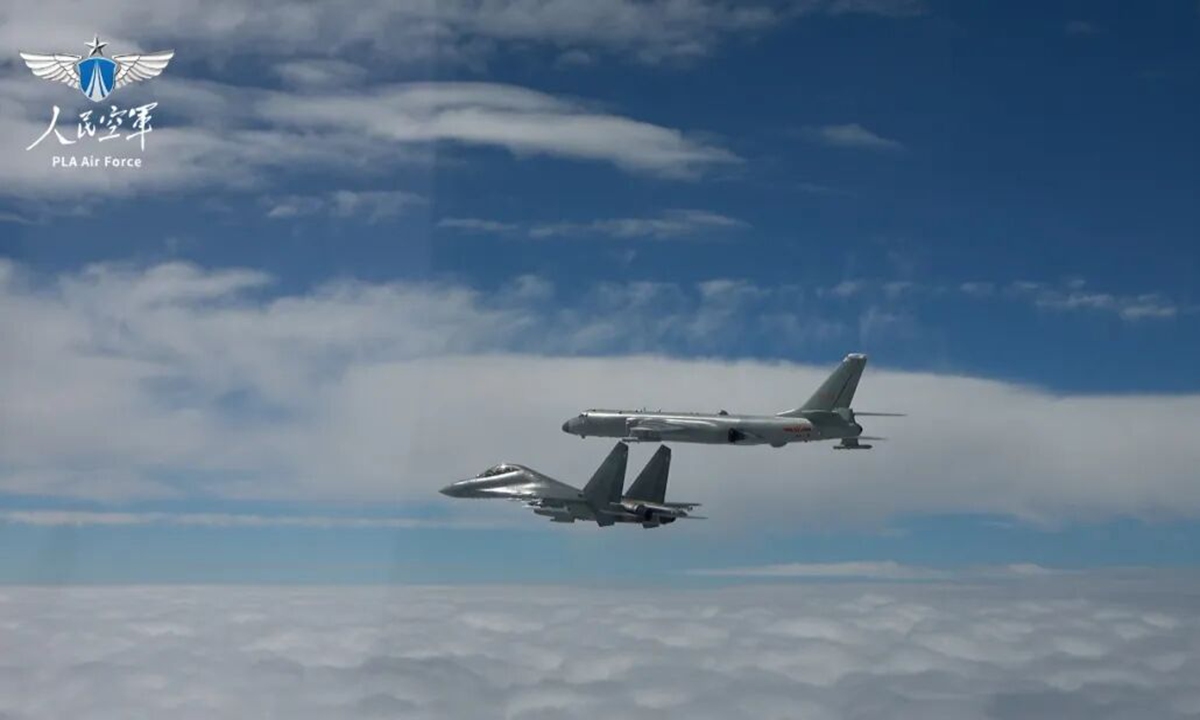
China and Russia conducted their 11th joint strategic air patrol on June 27, 2026, covering the Sea of Japan, East China Sea, and Western Pacific, with both nations emphasizing the mission's compliance with international law and its purpose of maintaining regional peace and stability. The Chinese side deployed a sophisticated multi-aircraft formation including H-6K bombers, J-16, J-10C, and J-11B fighter jets, while Russia contributed Tu-95 bombers and Tu-142 patrol aircraft, forming a combined six-hour joint patrol. Chinese military expert Zhang Xuefeng highlighted two defining characteristics of this year's patrol: a comprehensive system-of-systems approach integrating electronic warfare aircraft, the KJ-500A airborne command platform, and YU-20 aerial refueling capabilities, alongside a high state of combat readiness with escort fighters carrying live munitions. Japan's Defense Ministry responded by scrambling Air Self-Defense Force jets, a reaction that Chinese analysts characterized as an overreaction to what they described as a routine military exercise. The patrol represents a continuing trend of increasingly sophisticated and operationally integrated Sino-Russian military cooperation in the Asia-Pacific region.
Key Takeaways
- 1. **Enhanced System Integration:** China demonstrated advanced multi-domain coordination by combining bombers, fighter escorts, electronic warfare aircraft, early warning platforms, and aerial refueling assets into a single cohesive operational formation
- 2. **Elevated Combat Readiness:** The deployment of live munitions on escort fighters signals a significant shift toward real-world operational posture rather than purely symbolic or demonstrative patrols
- 3. **Expanding Operational Range:** The inclusion of YU-20 aerial refueling aircraft extends the effective combat radius of fighter escorts, significantly increasing China-Russia's power projection capabilities across the Pacific
- 4. **Strategic Sino-Russian Partnership:** The 11th consecutive joint patrol underscores the deepening military alliance between China and Russia as a deliberate counterbalance to Western and US-aligned security frameworks in the Indo-Pacific
- 5. **Regional Tension Implications:** Japan's scrambling of fighter jets highlights growing regional security concerns among US allies, suggesting these patrols are increasingly perceived as credible military threats rather than routine exercises