Ajit Doval And Wang Yi Hold Talks In New Delhi, With Both Nations Acknowledging Gradual Improvement In Bilateral Ties

Summary
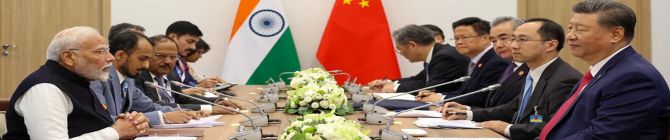
Indian National Security Adviser Ajit Doval and Chinese Foreign Minister Wang Yi held a significant bilateral meeting in New Delhi on 22 June 2026, on the sidelines of the BRICS National Security Advisers' Meeting chaired by India, where both sides acknowledged meaningful progress toward the gradual normalisation of relations. The two leaders reviewed recent developments in bilateral ties, with Doval emphasising that stable, predictable, and constructive engagement is essential for building trust between the two nations. This meeting follows the 35th round of Working Mechanism talks on Border Affairs held in Beijing in May 2026, where both countries agreed to prepare for the 25th round of boundary negotiations between Special Representatives later in the year. Wang Yi called for accelerating the resumption of stalled dialogue mechanisms across trade, finance, and cultural exchanges, while stressing the importance of respecting each other's core interests and ensuring that boundary disputes do not overshadow the broader bilateral relationship. The engagement reflects the cautious but steady rebuilding of ties since the 2020 Galwan Valley clash, with both nations increasingly framing themselves as development partners and key voices of the Global South rather than strategic rivals.
Key Takeaways
- 1. **Border Diplomacy Advancing:** The agreement to prepare for the 25th round of Special Representatives' boundary talks signals structured and procedural progress on resolving the long-standing Line of Actual Control disputes.
- 2. **Strategic Dialogue Channels Being Restored:** Wang Yi's push to resume stalled mechanisms across trade, finance, and cultural exchanges indicates China's intent to broaden the relationship beyond just border management, reflecting a more comprehensive diplomatic reset.
- 3. **India's BRICS Leadership Enhances Diplomatic Leverage:** India's chairmanship of BRICS provided New Delhi with a multilateral platform to simultaneously engage China, Iran, Brazil, and other counterparts, reinforcing its growing role as a facilitator of Global South diplomacy.
- 4. **Galwan's Shadow Still Looms:** Despite visible progress, the article notes that even basic measures like resuming direct flights required prolonged negotiations, highlighting that the normalisation process remains fragile, slow, and contingent on mutual restraint on sensitive issues.
- 5. **Shared Global South Identity Being Leveraged Strategically:** Both sides framing themselves as major emerging economies with shared global responsibilities suggests a deliberate diplomatic narrative to reduce adversarial framing and build a foundation for long-term strategic coexistence.