U.S. Military Reductions in Europe: Surrendering Leverage Without Gaining Concessions

Summary
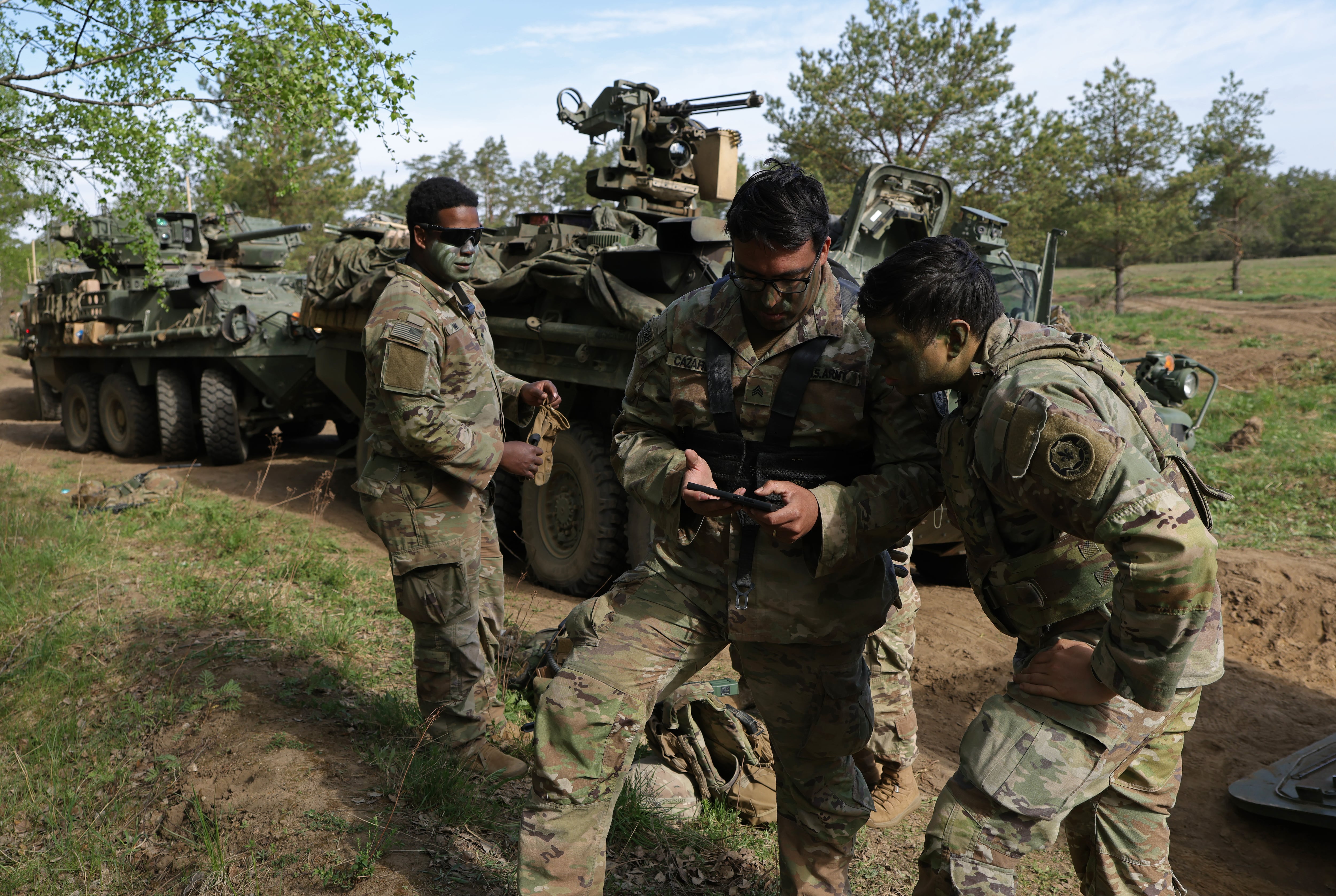
The United States has recently announced reductions in both its NATO capability commitments and a withdrawal of 5,000 troops from Europe, decisions that have alarmed allied nations and potentially strengthened Russia's strategic position. While the gradual reduction of U.S. commitments to NATO has been a long-developing trend — with America's share of capability targets dropping from 46% to 38% between 2017 and 2025 — the troop withdrawal announcement came as a more sudden surprise, particularly the initial plan to remove a tank brigade from Poland, which was quickly reversed after diplomatic pushback. The author argues that reducing troops in Europe is strategically flawed on multiple grounds, including the fact that ground forces removed from Europe offer little value in an Indo-Pacific conflict, that basing troops in Europe is often cheaper than stationing them domestically, and that withdrawals send dangerous signals during an ongoing Russian war in Ukraine. Most critically, the author contends that since Russia actively desires a reduced U.S. military presence in Europe, Washington possesses significant bargaining leverage that it is currently squandering by making unilateral cuts without extracting meaningful concessions from Moscow. Drawing on Cold War-era precedent of negotiated arms reductions, the author urges U.S. officials to leverage any planned troop withdrawals to demand Russian concessions such as ending the Ukraine war or dismantling military buildups near NATO borders.
Key Takeaways
- 1. The U.S. is reducing both its NATO capability commitments and troop presence in Europe, moves that unsettle allies and risk emboldening Russia without securing any strategic benefits in return
- 2. America's reduced role in European defense planning has been a gradual, years-long trend driven by burden-sharing demands and a strategic pivot toward the Indo-Pacific
- 3. Withdrawing ground troops from Europe makes limited operational sense, as those forces hold less relevance in a potential Indo-Pacific conflict while often being cheaper to maintain on European soil
- 4. Since Russia explicitly wants U.S. forces removed from Europe, Washington holds valuable negotiating leverage that could be used to demand concessions such as a ceasefire in Ukraine or reduced Russian military activity near NATO borders
- 5. The author recommends following Cold War precedent by negotiating reciprocal reductions with Moscow rather than making unilateral cuts that effectively give away strategic assets for nothing