How the Hangor Submarine Serves as the Cornerstone of Pakistan's Ambitious Plan to Develop an 11-Vessel Underwater Naval Force and Dominate Regional Subsurface Warfare

Summary
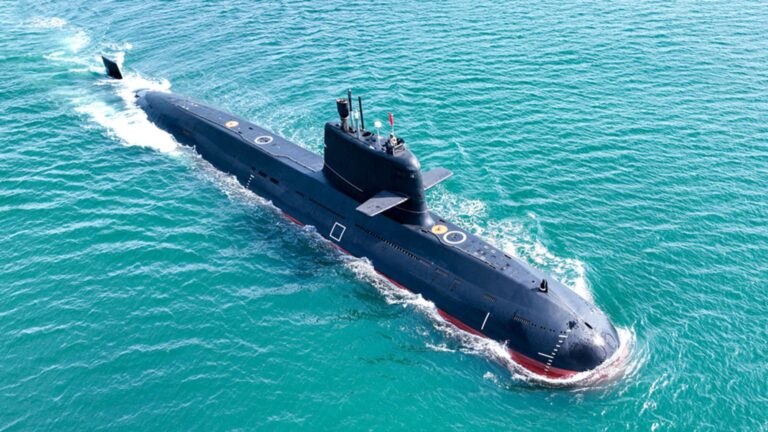
The Pakistan Navy's first Hangor-class submarine, PNS/M Hangor, arrived at Karachi on 11 June 2026 following its commissioning ceremony in Sanya, China on 30 April, marking a significant milestone in Pakistan's submarine procurement history. The vessel is the first of eight submarines ordered from China in 2015, completing a lengthy procurement journey that originally began in 2004 with plans to acquire German Type 214 submarines from HDW rather than Chinese vessels. Pakistan's original preference was for the German Type 214, which offered advanced fuel-cell air-independent propulsion (AIP) technology and domestic construction at Karachi Shipyard under a transfer-of-technology arrangement, a deal that appeared nearly finalized at approximately 95% completion by November 2008. The pivot to China ultimately redirected Pakistan's submarine modernization program, raising important strategic questions about how the PN will organize its entire subsurface fleet around the Hangor-class and how these vessels will contribute to Pakistan's broader sea-based deterrence posture. The arrival of PNS/M Hangor opens new discussions about operational deployment strategies, fleet organization, and Pakistan's underwater deterrence capabilities in an increasingly competitive regional maritime environment.
Key Takeaways
- 1. Pakistan's submarine acquisition program represents a significant strategic shift, moving from a near-finalized German Type 214 deal to an eight-boat Chinese procurement, fundamentally reshaping the Navy's subsurface capabilities and international partnerships
- 2. The commissioning of PNS/M Hangor completes a two-decade procurement arc and signals Pakistan's intent to field its largest and most capable submarine fleet, with implications for regional naval balance, particularly vis-à-vis India
- 3. The abandoned German Type 214 deal would have provided Pakistan with superior fuel-cell AIP technology and domestic manufacturing capability through KSEW, representing a significant lost opportunity for indigenous naval industrial development
- 4. The Hangor-class submarines raise critical questions about Pakistan's sea-based nuclear deterrence posture, suggesting the Navy may be seeking a credible second-strike underwater capability to complement its land-based strategic forces
- 5. Pakistan's 11-submarine roadmap, anchored by the Hangor-class, positions the PN to significantly expand its underwater denial and deterrence capabilities, potentially altering anti-access/area-denial dynamics across the northern Arabian Sea