China's Liaoning Carrier Strike Group Finishes Extended Open-Ocean Military Exercises

Summary
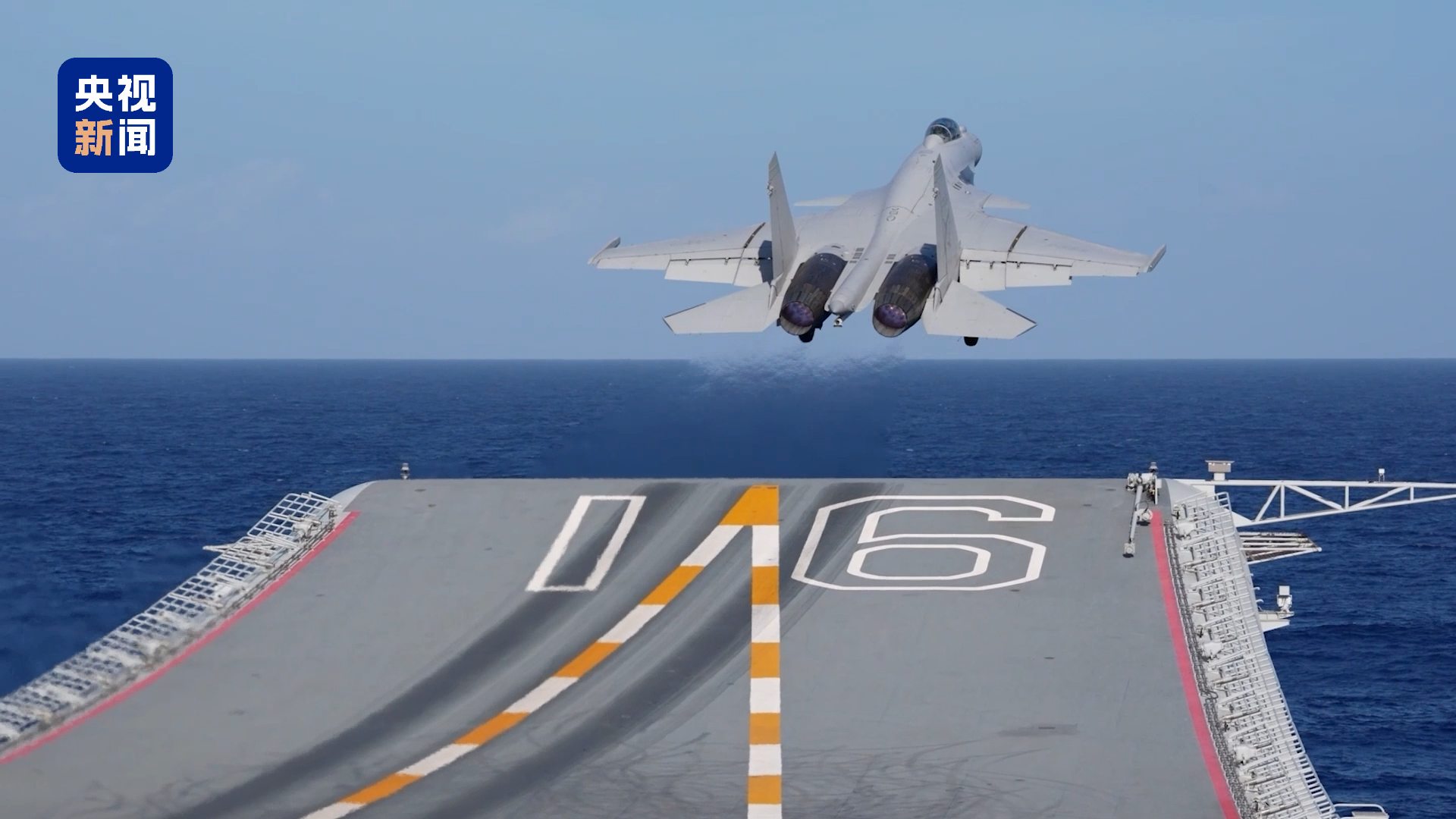
The Chinese Navy's Liaoning aircraft carrier task force successfully completed a series of far-sea combat training exercises across multiple maritime and aerial domains, including the South China Sea and the Western Pacific, before returning safely to its home port. The exercises encompassed a wide range of military activities, including carrier-based aircraft tactical flight drills, air supremacy and air defense operations, sea strike missions, support and cover operations, and live-weapon firing exercises. China's navy characterized the training as a routine annual exercise designed to enhance operational readiness and mission fulfillment capability, asserting that it complies with international law and is not directed at any particular nation. However, a notable diplomatic and military friction point emerged during the exercises, as China accused Japanese naval vessels and aircraft of conducting repeated close-range surveillance and tracking, which Beijing characterized as provocative and disruptive behavior. In response, the Liaoning task force maintained heightened combat readiness throughout the exercises, continuously launching carrier-based aircraft and adjusting battle formations to counter what China described as dangerous actions by the Japanese side.
Key Takeaways
- 1. **Power Projection Capability:** China's deployment of the Liaoning task force across the South China Sea and Western Pacific demonstrates its growing ability to project naval power well beyond its immediate coastal waters.
- 2. **Combat Readiness Enhancement:** The breadth of exercises conducted, including live-weapon use, air supremacy operations, and sea strikes, signals China's deliberate effort to sharpen real-world combat effectiveness of its carrier strike group.
- 3. **Regional Tensions with Japan:** The reported close-range surveillance by Japanese forces and China's strong response highlights escalating military friction between the two nations in strategically sensitive maritime zones.
- 4. **Strategic Messaging:** By framing the exercises as routine and internationally compliant while simultaneously condemning Japanese surveillance, China is simultaneously projecting military confidence and asserting legitimacy in contested maritime spaces.
- 5. **Carrier Force Maturation:** The Liaoning task force's ability to conduct complex, multi-domain combat training in far-sea environments reflects the steady advancement and operational maturation of China's carrier-based naval warfare capabilities.