Beneath the Waves: How Diesel-Electric Submarines Are Shifting the Balance of Power in the Indian Ocean Region

Summary
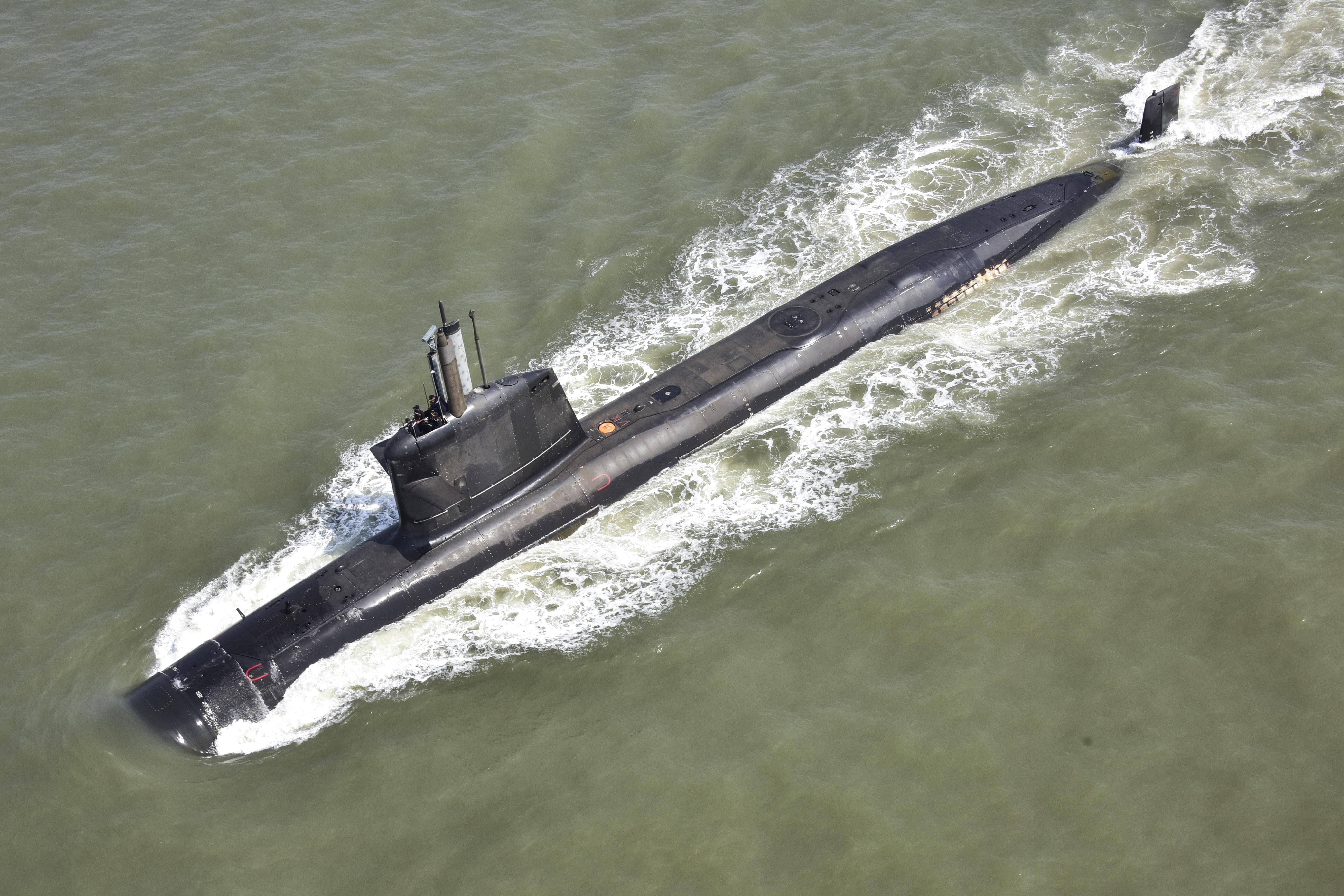
While Cold War naval doctrine positioned nuclear submarines (SSNs) as the dominant undersea strategic instruments due to their endurance, speed, and global range, this framework was specifically designed for the vast open waters of the North Atlantic and Western Pacific and was never applicable to the Indian Ocean's unique geography. The Indian Ocean is a semi-enclosed basin whose strategic value is concentrated through a series of critical chokepoints — including the Strait of Hormuz, Bab-el-Mandeb, Strait of Malacca, and the Sunda and Lombok Straits — through which enormous volumes of global energy supplies and maritime trade flow daily. These chokepoints share three characteristics that dramatically favor conventional submarine operations: shallow depths that neutralize many SSN advantages, predictable traffic corridors that simplify targeting, and complex acoustic environments that degrade enemy sonar performance while protecting quieter diesel-electric boats. The geographic compression of the Indian Ocean's strategic corridors effectively elevates conventional submarines from purely coastal defensive assets to capable offensive instruments that can threaten regional seaborne commerce and naval power projection. This fundamentally challenges the traditional hierarchy between nuclear and conventional submarines, repositioning SSKs as strategically significant platforms within the Indian Ocean Region's distinct operational environment.
Key Takeaways
- 1. **Geographic Advantage Overrides Platform Hierarchy:** The Indian Ocean's shallow chokepoints and enclosed basin geometry neutralize the speed and endurance advantages of nuclear submarines, making conventional SSKs equally or more effective in this specific theater
- 2. **Critical Global Trade Vulnerability:** Key IOR chokepoints — including the Strait of Hormuz (21 million barrels/day) and Strait of Malacca (90,000 vessels/year) — represent concentrated strategic vulnerabilities that conventional submarines can credibly threaten with relatively modest naval investment
- 3. **Acoustic Environment Favors SSKs:** High commercial traffic, salinity gradients, and thermal layering in shallow-water straits collectively degrade passive sonar detection capabilities, providing conventional submarines with survivability advantages that partially offset their technological limitations compared to SSNs
- 4. **Strategic Role Elevation of Conventional Submarines:** Nations operating conventional submarine fleets in the IOR — including India, Pakistan, and regional powers — possess genuine strategic leverage beyond coastal defense, capable of sea-lane interdiction and power projection missions previously associated only with nuclear-powered vessels
- 5. **Cold War Naval Doctrine Requires Regional Reassessment:** Defence planners and naval strategists must recalibrate undersea warfare doctrines to account for region-specific geography, as universal application of Atlantic/Pacific-centric SSN-dominant frameworks significantly underestimates the strategic potency of conventional submarine forces in the Indian Ocean Region