Pakistan Air Force's National Aerospace Science and Technology Park Emerges as Primary Systems Integration Authority

Summary
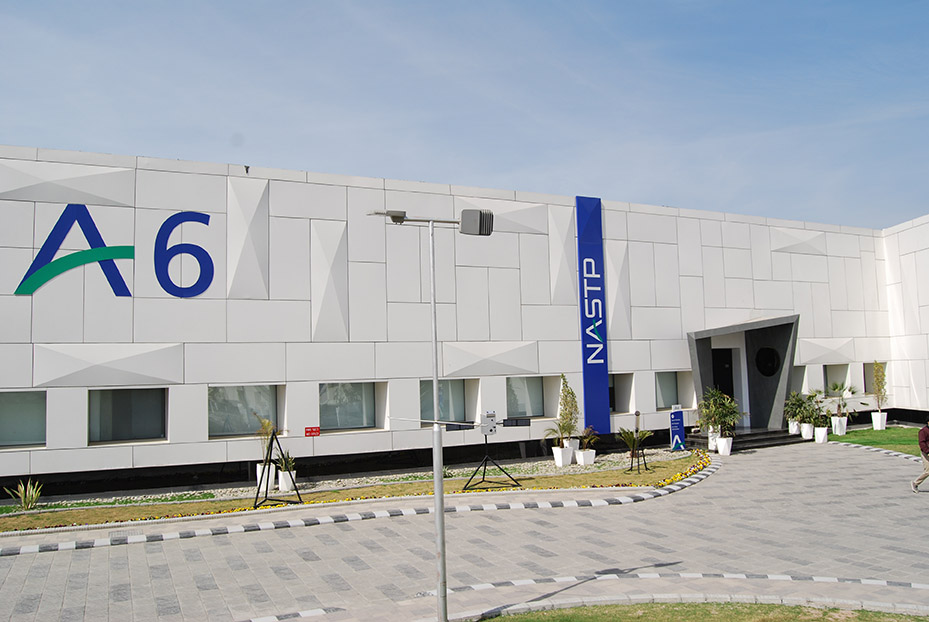
The Pakistan Air Force's (PAF) internal research and development body, the National Aerospace Science and Technology Park (NASTP), has unveiled preliminary plans to modernize several key aircraft in the PAF's fleet, including the F-16, JF-17, and Saab 2000. The proposed upgrades range from structural enhancements to subsystem improvements, with the F-16 upgrade notably aligning with recently approved US authorizations for new tactical datalinks and other modest system additions. For the JF-17 Thunder platform, NASTP has presented concepts for an advanced active electronically scanned array (AESA) radar as part of what appears to be a broader upgrade initiative known as Project PFX Alpha. Beyond aircraft upgrades, NASTP's expanding portfolio encompasses loitering munitions, land-based surveillance systems, air defence radars, airborne radar systems, and potentially unmanned aerial vehicles, signaling its rapid evolution into the PAF's primary design and integration authority. NASTP itself represents a recalibrated continuation of the earlier Aviation City initiative, which had originally been envisioned to drive the now-shelved next-generation fighter aircraft program known as Project AZM.
Key Takeaways
- 1. NASTP is rapidly consolidating its role as the PAF's primary in-house defence research, design, and systems integration organization across multiple platform types
- 2. The proposed F-16 upgrades strategically leverage recently granted US approvals for tactical datalinks, suggesting careful navigation of American export control restrictions
- 3. The JF-17 AESA radar development under Project PFX Alpha signals Pakistan's ambition to indigenously modernize its most operationally significant frontline fighter aircraft
- 4. NASTP's diversified portfolio spanning loitering munitions, drones, and radar systems indicates a deliberate strategy to reduce Pakistan's dependence on foreign defence suppliers
- 5. NASTP effectively replaces the failed Aviation City initiative, representing a more pragmatic and incremental approach to building indigenous aerospace development capabilities after the abandonment of the ambitious Project AZM next-generation fighter program