China Completes Maritime Law Enforcement and Survey Mission in Eastern Taiwan Waters

Summary
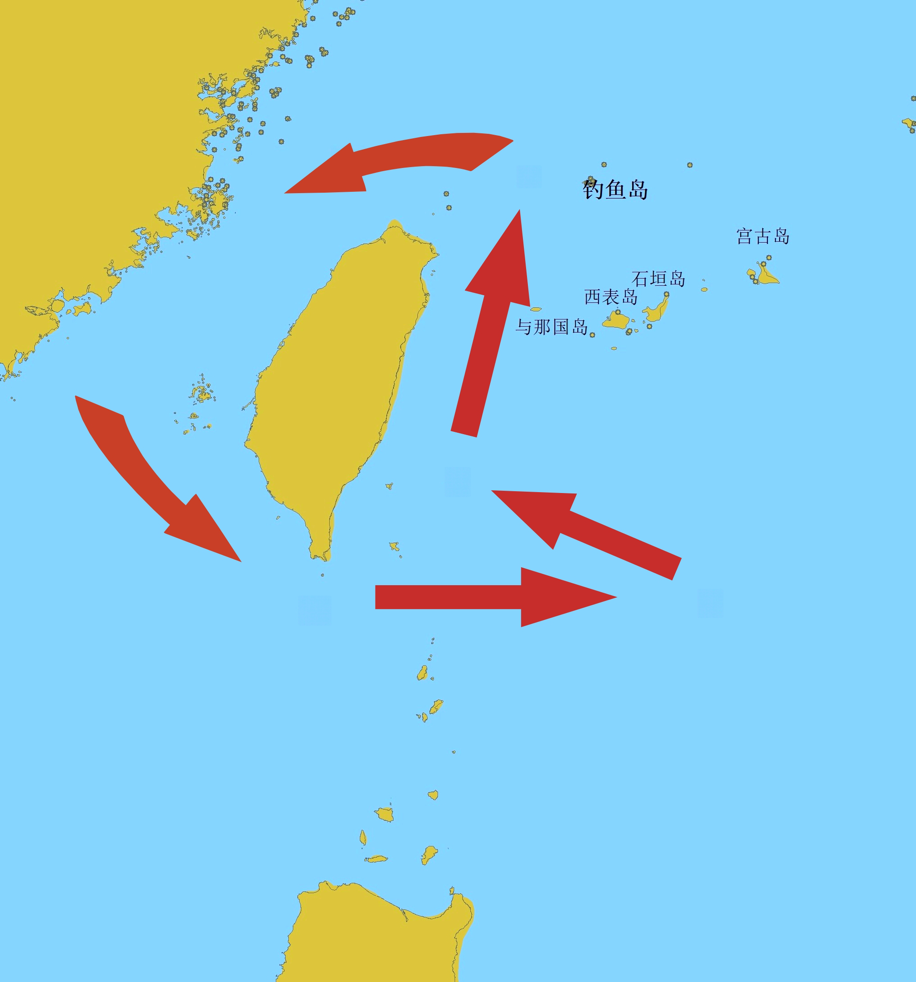
China's Ministry of Transport successfully wrapped up a five-day maritime enforcement and hydrographic survey operation in waters east of Taiwan Island, running from June 6 to 10. The operation was coordinated through maritime authorities in Fujian and Guangdong provinces, covering an extensive area of 1,030 nautical miles while conducting patrols, law enforcement activities, and detailed hydrographic surveys. The primary objectives included asserting China's maritime administrative jurisdiction, enhancing long-range offshore patrol capabilities, and safeguarding what Beijing describes as its national sovereignty and maritime rights. The operation was explicitly framed as a direct countermeasure to announced plans by Japan and the Philippines to begin maritime boundary delimitation negotiations in waters east of Taiwan, which China characterized as a serious infringement on its territorial sovereignty. During the operation, 198 vessels were inspected and three ships were cited for violations, demonstrating China's intent to establish active enforcement presence in the contested region.
Key Takeaways
- 1. **Strategic Assertion of Jurisdiction:** China is actively working to establish and reinforce its administrative authority over waters east of Taiwan, signaling a broader territorial claim strategy in the region
- 2. **Direct Counter to Japan-Philippines Alliance:** The operation serves as a deliberate political and military signal against Japan and the Philippines' maritime delimitation negotiations, reflecting China's readiness to challenge perceived encroachments
- 3. **Enhanced Long-Range Patrol Capabilities:** The mission demonstrates China's growing capacity to conduct extended offshore enforcement operations far from its coastline, indicating expanding maritime reach
- 4. **Hydrographic Intelligence Gathering:** The inclusion of hydrographic surveys suggests China is collecting critical underwater and navigational data that could have significant military and strategic applications in the area
- 5. **Escalation Risk:** This enforcement action in contested waters involving multiple regional stakeholders raises the potential for diplomatic friction and possible maritime incidents with Japan, the Philippines, and indirectly Taiwan