Washington Urges European Allies and Canada to Rapidly Expand NATO Air and Maritime Contributions

Summary
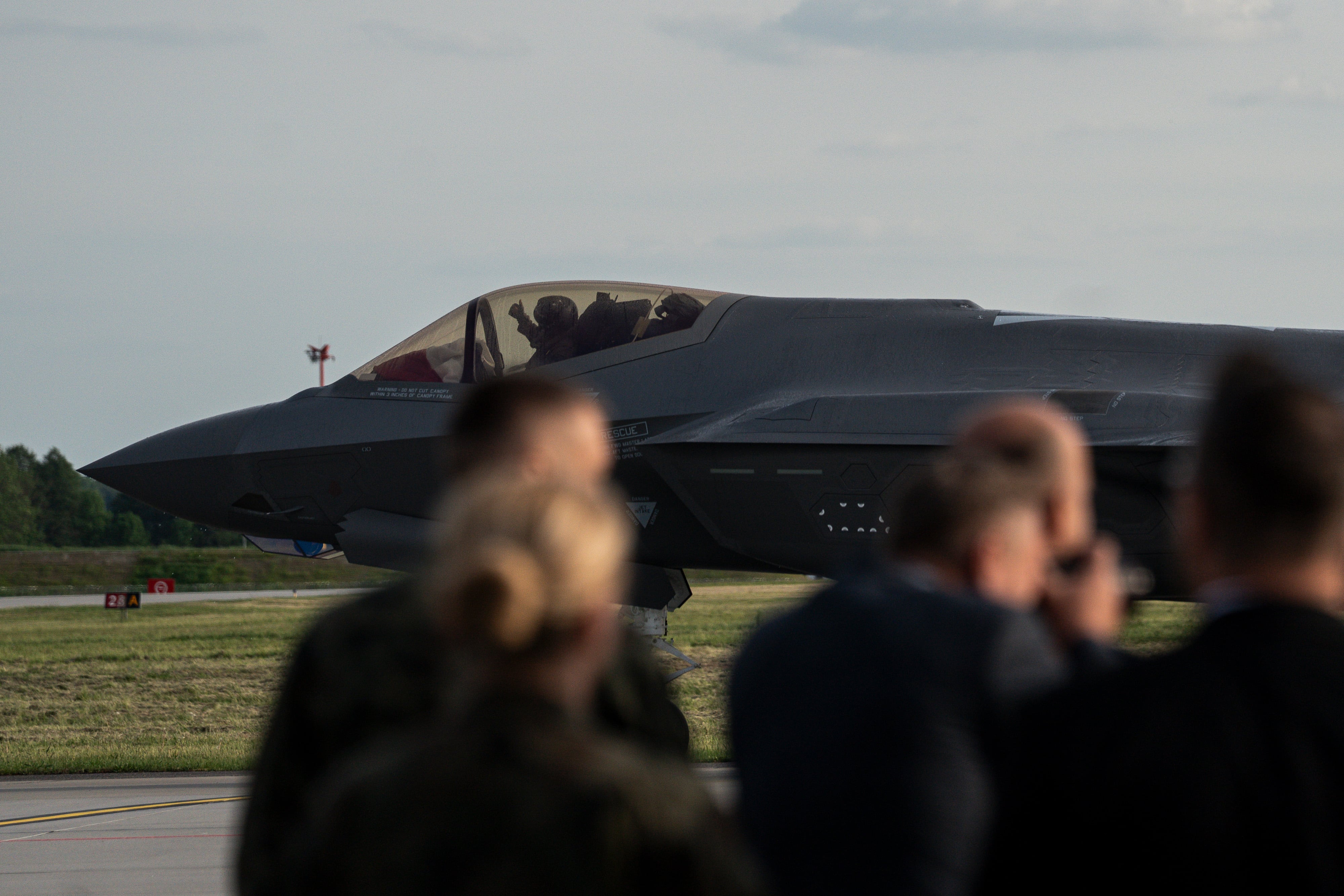
A senior U.S. military official, Air Force General Alexus Grynkewich, publicly announced that European NATO members and Canada must quickly increase their contributions of manned and unmanned aircraft and naval vessels to the alliance, as the United States begins reducing its own military commitments to NATO's crisis response framework known as the NATO Force Model. This announcement follows the Trump administration's decision to scale back U.S. military capabilities available to NATO, with President Trump consistently pressuring European allies to assume greater responsibility for their own conventional defense. Grynkewich described the current situation as an "unhealthy co-dependence" on U.S. forces within NATO, citing the need to prepare for potential simultaneous conflicts across multiple global theaters as justification for the rebalancing. According to a German news outlet, Spiegel, specific cuts include a one-third reduction in U.S. fighter jets, fewer destroyers, the removal of U.S. submarines from the crisis pool, and a significant scaling back of armed reconnaissance drones available to the alliance. NATO military officials attempted to reassure allies that no defense gaps are expected to emerge, arguing that European nations already possess sufficient capabilities and simply need to formally assign them to NATO commitments.
Key Takeaways
- 1. The U.S. is officially reducing its military contributions to NATO's Force Model, with Europe and Canada expected to fill the gaps in air and naval capabilities
- 2. General Grynkewich publicly identified manned/unmanned aircraft and naval vessels as the first areas where the U.S. will cut back and where allies must step up
- 3. Specific U.S. reductions reportedly include a 33% drop in fighter jets, fewer destroyers, zero submarines, and significantly fewer armed drones available to NATO
- 4. The Trump administration frames the shift as necessary to address global multi-theater conflict demands, while critics worry it signals a broader U.S. withdrawal from NATO commitments
- 5. NATO officials insist allied nations already have adequate capabilities to compensate, requiring only formal assignment of existing assets to the alliance structure