Norway Joins French Nuclear Umbrella as Ninth European Nation Amid Growing Doubts About American Security Commitments

Summary
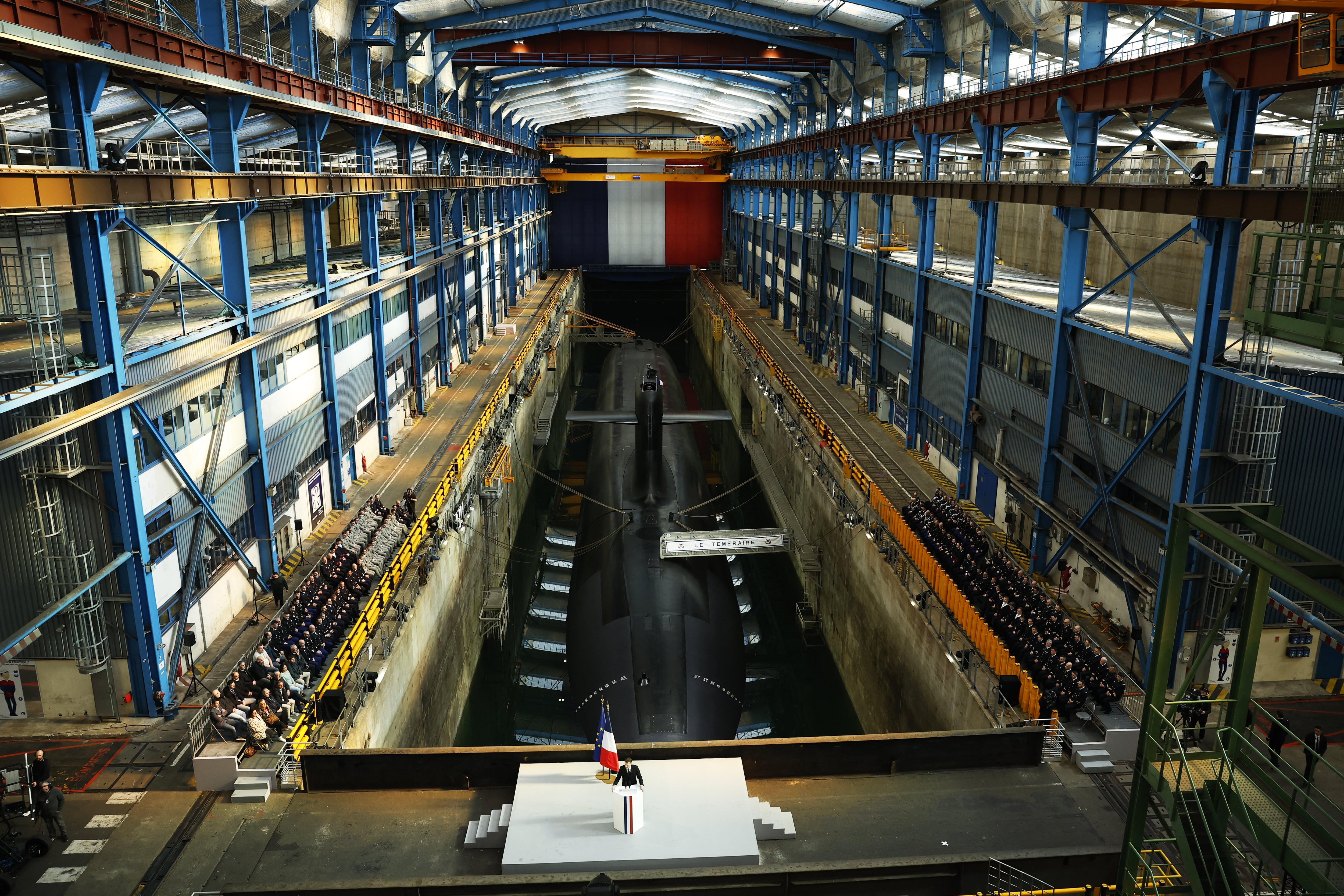
Norway has officially joined France's expanding nuclear deterrence framework, becoming the ninth European nation to do so following Norwegian Prime Minister Jonas Gahr Støre's visit to Paris, driven by increasing concerns about Russian aggression and diminishing confidence in U.S. security guarantees. French President Emmanuel Macron dramatically unveiled his "forward deterrence" doctrine earlier this year, pledging that France's nuclear arsenal could be used to defend European allies against existential threats even if the United States withdraws from its traditional security role, while retaining sole decision-making authority over nuclear weapons in Paris. The framework varies in maturity across participating nations, with Germany being the most advanced partner, having established a bilateral steering group that plans concrete steps by end of 2026, and with German forces set to participate in French nuclear exercises as observers as early as September. Unlike the existing NATO nuclear sharing arrangement — where U.S. nuclear bombs are physically stationed in five European countries and allied aircraft are designated to deliver them — France's model is deliberately ambiguous, defining a broader sphere of influence where the French president retains discretionary authority over any nuclear response. The nine countries currently enrolled in the French framework include Norway, Germany, Poland, Sweden, Denmark, Greece, the Netherlands, Belgium, and the United Kingdom, with France possessing approximately 290 warheads, making it the world's fourth-largest nuclear power.
Key Takeaways
- 1. Norway is the ninth European country to join France's "forward deterrence" nuclear protection scheme, reflecting eroding trust in U.S. security commitments under NATO
- 2. France retains complete and sole control over all nuclear decision-making, distinguishing its model fundamentally from the more participatory U.S.-NATO nuclear sharing arrangement
- 3. Germany represents the most developed bilateral partnership, with plans for observer participation in French nuclear exercises by September 2025 and potential future supporting roles for the Bundeswehr
- 4. The strategic ambiguity embedded in France's doctrine is intentional, leaving deliberately unclear the exact circumstances under which France would deploy nuclear weapons on behalf of allies
- 5. With approximately 290 warheads, France holds the world's fourth-largest nuclear arsenal, positioning it as a credible alternative security guarantor for a continent reassessing its defense dependencies