German Defense Chief Makes Unusually Direct Personal Appeal for Submarine Contract During Ottawa Visit

Summary
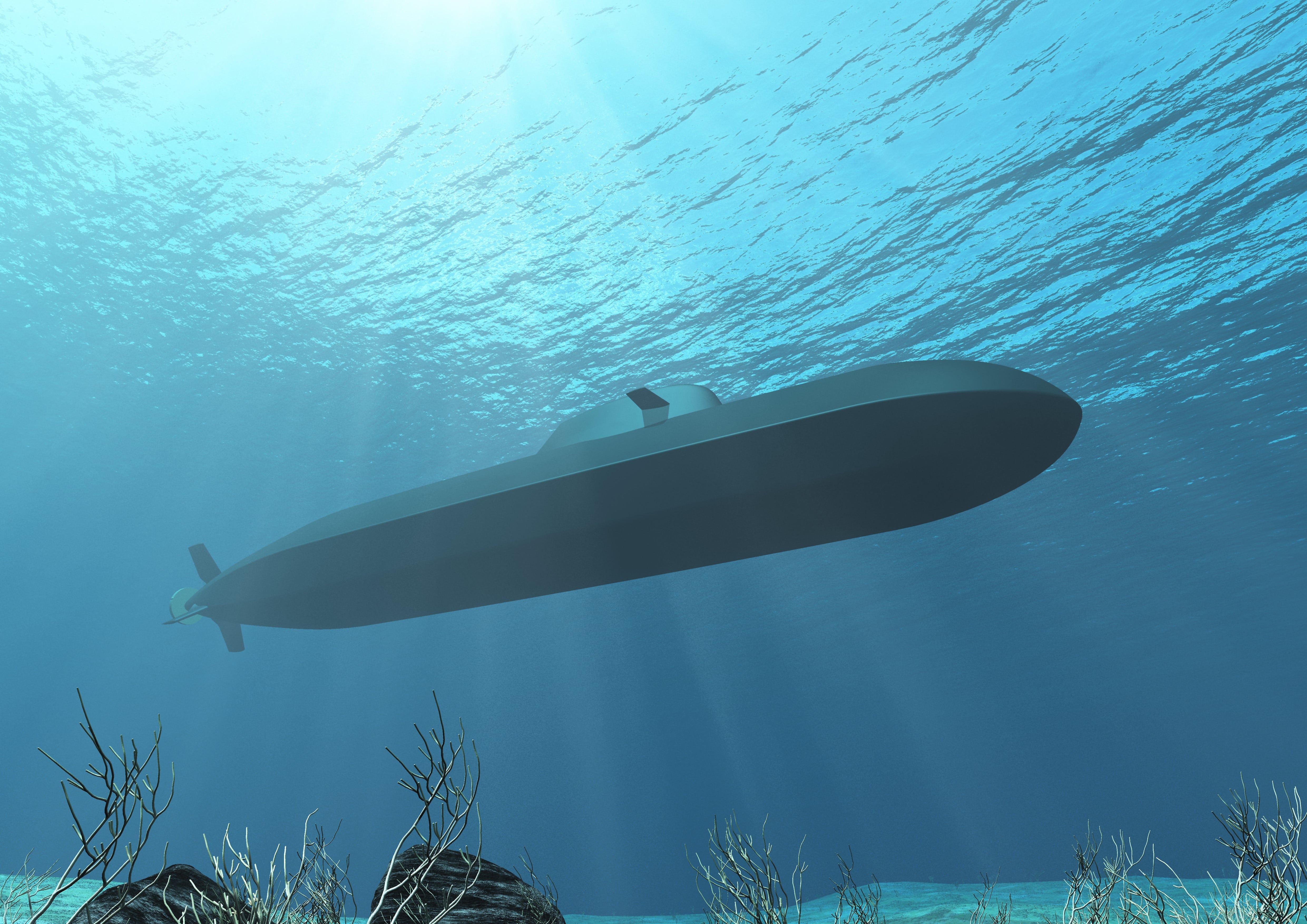
German Defense Minister Boris Pistorius made an exceptionally direct and personal sales pitch at Canada's CANSEC defense exhibition, advocating for TKMS' Type 212CD submarine as part of Canada's Canadian Patrol Submarine Project, a procurement deal worth up to C$60 billion that ranks among the largest defense contracts in Canadian history. Pistorius presented a comprehensive economic package supporting the German-Norwegian joint bid, citing figures of C$86 billion in GDP impact and over 650,000 job-years, reflecting a notably aggressive export strategy more aligned with France's state-backed arms sales model than Germany's traditionally restrained approach. The German bid faces fierce competition from South Korea's Hanwha Ocean, whose KSS-III Batch II submarine recently sailed to a Canadian naval base in a bold demonstration of hardware diplomacy, with South Korea's primary advantage being an ability to deliver four submarines by 2035 compared to Germany's proposed 2036 delivery timeline. Berlin's strongest strategic argument centers on NATO interoperability, noting that a combined German, Norwegian, and Canadian fleet would create 24 Type 212CD submarines, forming the world's largest modern conventional submarine fleet while reinforcing NATO's presence along the Arctic's northern flank. Pistorius also revealed that Iceland is close to joining an existing North Atlantic maritime security partnership, and indicated that Canada's acquisition decision is expected before the upcoming NATO summit in Ankara in early July.
Key Takeaways
- 1. Germany is departing from its historically restrained arms export tradition, adopting a more aggressive, France-style state-backed approach to defense sales
- 2. The Canadian Patrol Submarine Project represents one of Canada's largest-ever defense procurement decisions, valued at up to C$60 billion (US$43.3 billion)
- 3. Germany and Norway's joint bid counters South Korea's delivery timeline advantage by reallocating submarines from Germany's own pipeline to deliver four boats to Canada by 2036
- 4. NATO interoperability and Arctic strategic positioning serve as Berlin's strongest substantive arguments, with a potential 24-submarine allied fleet being highlighted
- 5. Canada's submarine acquisition decision is expected by early July 2025, ahead of the NATO summit in Ankara, making the timeline politically significant