Global Drone Manufacturing Remains Critically Dependent on Chinese Supply Chains

Summary
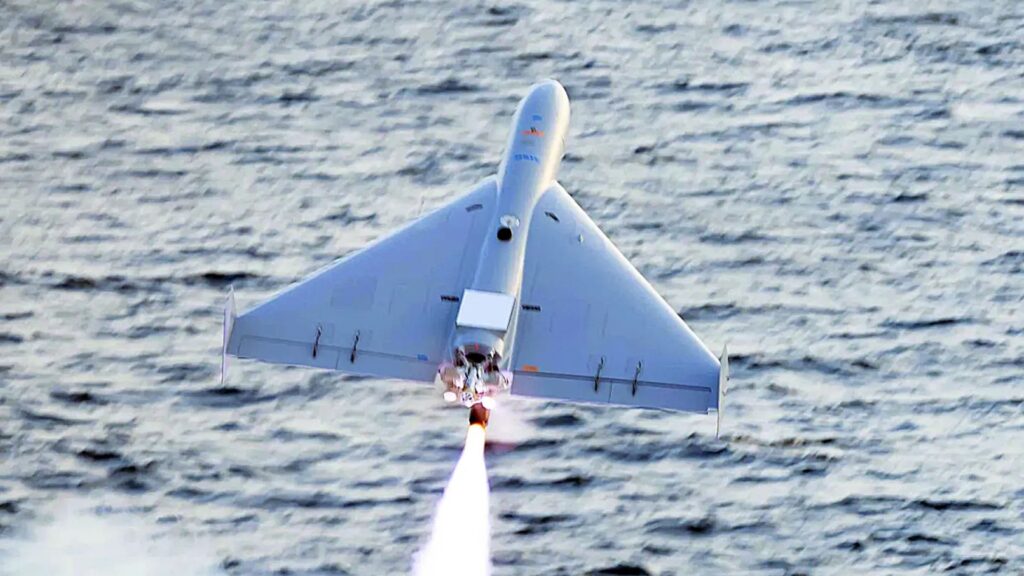
The widespread adoption of one-way attack (OWA) drones, particularly first-person view (FPV) systems, has been dramatically accelerated by lessons learned from the Russia-Ukraine War and Persian Gulf Crisis, with the United States proposing a $54.6 billion budget for autonomous warfare and targeting acquisition of over one million expendable drone units within three years. FPV drones have proven especially significant on the battlefield, with both sides in the Russia-Ukraine conflict consuming approximately seven million units annually, and Ukraine attributing 60-70% of Russian equipment losses to these systems. Beyond offensive applications, militaries are also turning to purpose-built interceptor drones, such as the Ukrainian-developed Merops, to counter mass salvo threats posed by Shahed-style loitering munitions at a more cost-effective price point than traditional air defense systems. However, a critical and potentially dangerous vulnerability underlies this global drone surge, as both FPV and interceptor drone production heavily rely on commercial and consumer-grade components — including brushless electric motors, microelectronics, and fibre-optic cables — that are predominantly sourced from Chinese manufacturers. This supply chain dependency represents a significant strategic risk for the United States and its allies, as any disruption to Chinese component exports could severely undermine drone production capacity at scale.
Key Takeaways
- 1. **FPV drones have become the dominant instrument of modern warfare**, accounting for the majority of OWA drone usage and driving unprecedented consumption rates, with Ukraine alone deploying approximately 9,000 units daily
- 2. **The U.S. is making autonomous drone warfare a top defense priority**, with a $54.6 billion DAWG budget proposal and plans to equip every Army squad with expendable OWA drones within 2-3 years
- 3. **China represents a critical chokepoint in global drone supply chains**, as essential components like brushless motors, microelectronics, and fibre-optic cables are largely sourced from Chinese commercial and consumer markets
- 4. **Both offensive and defensive drone solutions share the same supply chain vulnerabilities**, meaning interceptor systems like the Merops face identical Chinese dependency risks as the FPV threats they are designed to counter
- 5. **The cost-exchange dynamic is reshaping military strategy globally**, with low-cost drone systems inflicting disproportionately high damage on expensive conventional military equipment, forcing all major militaries to rapidly adapt their procurement and tactical doctrines