Perennial Autonomy Secures $500 Million US Defense Contract for AI-Powered Anti-Drone Technology

Summary
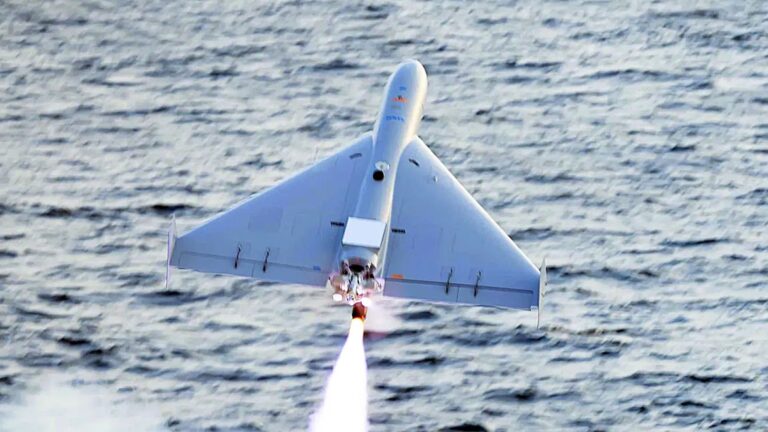
The Pentagon's Joint Interagency Task Force 401 has awarded a three-year, $500 million contract to Perennial Autonomy — originally founded by former Google CEO Eric Schmidt as Project Eagle — to supply AI-enabled counter-drone systems to the US military. The contract encompasses three drone platforms: the Merops interceptor, the Bumblebee ISR quadcopter, and the Hornet midrange strike drone, all of which are already operationally deployed in the CENTCOM theatre countering Iranian Shahed one-way attack drones. A core driver of the contract is favorable cost economics, as the Merops interceptor costs approximately $15,000 per unit compared to the $30,000–$50,000 cost of a Shahed drone, reversing the historically disadvantageous exchange rates seen in traditional missile-based air defense systems. The Merops system was originally developed and battle-tested in Ukraine, where it has downed thousands of Russian Shahed-series drones over four years, effectively serving as a large-scale operational proving ground before US military adoption. This contract, the largest single counter-drone award in Pentagon history, falls under the broader $1.1 billion Drone Dominance initiative and reflects a new procurement philosophy that leverages real-world combat experience — particularly from Ukraine — to accelerate weapons acquisition without traditional multi-year development cycles.
Key Takeaways
- 1. **Cost-Asymmetric Defense Model:** The Merops interceptor's $15,000 unit cost versus the Shahed's $30,000–$50,000 price tag represents a strategic shift toward cost-positive air defense, directly addressing the economic vulnerability exposed by expensive missile interceptors being used against cheap drones.
- 2. **Ukraine as a Live Testing Ground:** The Ukrainian battlefield has effectively functioned as an operational development and validation environment, allowing combat-proven drone technology to be rapidly transferred to US military use without conventional procurement timelines — a significant evolution in defense acquisition strategy.
- 3. **Escalating Drone Threat Recognition:** US military leadership's characterization of drones as "the defining threat of our time" signals a formal doctrinal acknowledgment that mass drone salvos represent a tier-one strategic challenge, particularly following equipment losses exceeding $1.3 billion at Prince Sultan Air Base.
- 4. **Industrial and Allied Integration:** Perennial Autonomy's manufacturing expansion into Germany through Twentyfour Industries and the drafting of a US-Ukraine technology memorandum indicate a deliberate effort to build a transatlantic counter-drone industrial base, strengthening allied defense cooperation.
- 5. **Precedent-Setting Procurement Shift:** As the largest counter-drone contract in Pentagon history, this award signals a broader institutional move toward acquiring low-cost, attritable, AI-enabled systems at scale, potentially reshaping future US defense budgeting and acquisition priorities away from traditional high-cost platforms.