Tejas Mk1A Program Review Delayed to June Due to Systems Integration Setbacks

Summary
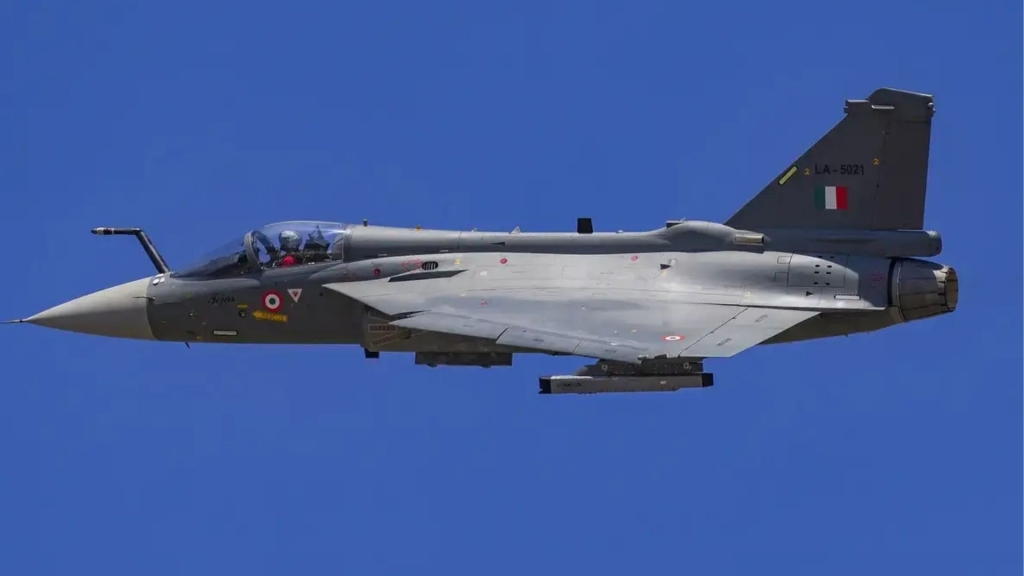
The Indian Air Force (IAF) and Hindustan Aeronautics Limited (HAL) have postponed a critical program review for the Tejas Mk1A Light Combat Aircraft to June 2026, after insufficient progress on key operational benchmarks made an earlier meeting impractical. The program, now over two years behind its original delivery schedule, faces a compounding set of technical and supply chain challenges, with the primary bottleneck being the integration of the Israeli-origin EL/M-2052 AESA radar with the aircraft's electronic warfare suite and mission computer network. Additionally, Astra beyond-visual-range missile integration trials have encountered setbacks, and GE Aerospace has delivered only six F404 engines against a planned rate of 16 per year, leaving approximately 30 completed airframes grounded and awaiting combat-ready powerplants. HAL's newly appointed Chairman Ravi Kota has presented a revised delivery schedule to the IAF Chief, projecting that deliveries could begin between August and September 2026, contingent on the stabilization of F404 engine supplies. The program covers a total order book of 180 aircraft under contracts valued at approximately ₹1.09 lakh crore, making its resolution a matter of significant strategic and financial importance for India's defence sector.
Key Takeaways
- 1. **Critical Schedule Slippage:** The Tejas Mk1A program is more than two years behind its original 2024–2025 delivery timeline, undermining IAF fleet modernization plans and raising concerns about indigenous defence program management.
- 2. **Multi-Layered Technical Bottleneck:** The primary challenge is not a single failure but a cascading integration problem involving the AESA radar, electronic warfare suite, mission computer, and weapons architecture — all of which must operate seamlessly together before operational clearance can be granted.
- 3. **Engine Supply Chain Vulnerability:** GE Aerospace's delivery of only six F404-IN20 engines against a planned rate of 16 per year exposes a critical foreign dependency, leaving dozens of completed airframes non-operational and highlighting risks of relying on foreign engine suppliers for indigenous platforms.
- 4. **Astra BVRAAM Integration Concerns:** Setbacks in integrating India's domestically developed Astra beyond-visual-range missile compound the program's difficulties and raise questions about the maturity of the overall weapons package intended to give the Tejas Mk1A its air combat credibility.
- 5. **Strategic Implications for IAF Readiness:** With 180 aircraft on order and deliveries now projected no earlier than late 2026, the IAF faces a prolonged capability gap that could affect its operational posture, particularly given ongoing regional security pressures from both Pakistan and China.