Can Pakistan Replicate Turkey's Aerospace Industry Success Through the JF-17 Thunder Program?

Summary
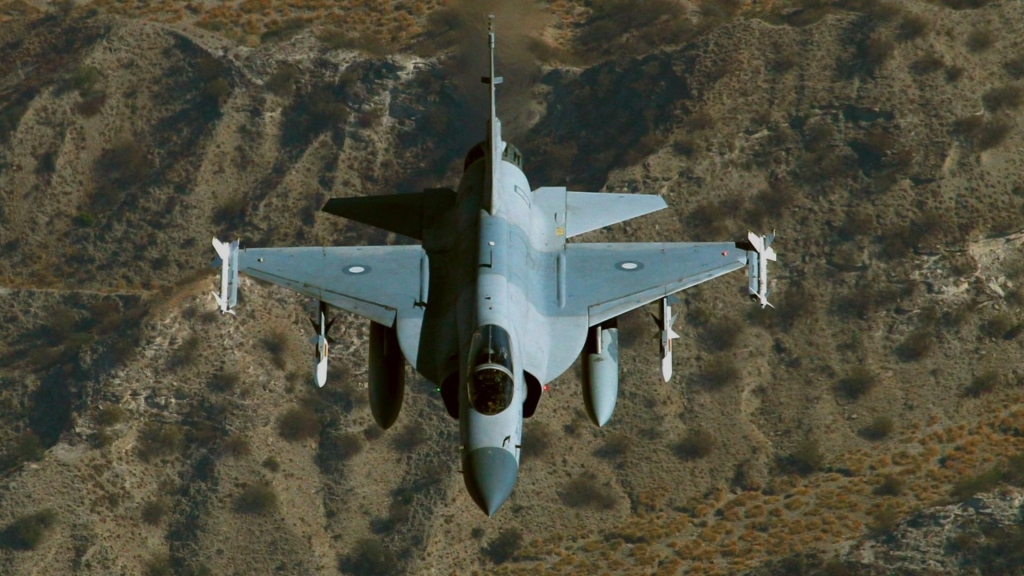
The JF-17 Thunder, Pakistan's primary fighter aircraft with over 170 units produced, has gained significant export momentum following its combat-proven performance in 2025, raising the critical question of whether Pakistan can leverage the program to build a self-sustaining domestic aerospace industry. While Pakistan Aeronautical Complex (PAC) Kamra manufactures approximately 60% of the JF-17's airframe, fundamental dependencies on China for critical components, tooling, and production knowledge, along with Russian and potentially future Chinese engines, represent a significant structural vulnerability in Pakistan's defense industrial base. The article draws a compelling parallel to Turkey's aerospace development model, where Turkish Aerospace Industries (TAI) used F-16 licensed production as a foundation to incrementally build industrial capabilities — from basic manufacturing to composites and avionics integration — ultimately producing the indigenous KAAN fifth-generation fighter. In contrast, India's Tejas program serves as a cautionary tale, where bureaucratic and industrial interests drove development without genuine air force buy-in, resulting in the IAF favoring foreign platforms like the Rafale instead. Pakistan's path forward hinges on whether the JF-17 transitions from a procurement program Pakistan merely participates in into a genuine platform around which a permanent, self-reliant aerospace ecosystem is deliberately constructed.
Key Takeaways
- 1. **Structural Dependency Risk:** Despite manufacturing 60% of the JF-17's airframe, Pakistan's reliance on China for critical components, tooling, and production knowledge creates a significant long-term strategic vulnerability that limits true aerospace sovereignty
- 2. **Turkish Model as Blueprint:** Turkey's incremental approach — using F-16 licensed production to build industrial capabilities before progressing to indigenous platforms like KAAN — demonstrates that sustained air force commitment and phased industrial development are essential prerequisites for aerospace independence
- 3. **Indian Tejas as a Warning:** India's experience shows that defense industrial development driven by bureaucratic interests rather than genuine military buy-in leads to program failures, with the IAF ultimately preferring foreign acquisitions over the domestically produced alternative
- 4. **PAF's Role is Decisive:** The critical differentiator in Pakistan's aerospace ambitions will be whether the Pakistan Air Force commits to the JF-17 ecosystem as a long-term strategic investment rather than treating it purely as a tactical procurement solution
- 5. **Emerging Integration Capabilities:** Pakistan's establishment of a PAF integration facility in 2019, focused on radar qualification, weapons separation testing, and computational infrastructure, signals early but important steps toward genuine indigenous aerospace development that must be significantly accelerated and expanded