Pioneer Aircraft Aerodynamics Engineer and J-8 Fighter Jet Architect Gu Songfen Dies at Age 96

Summary
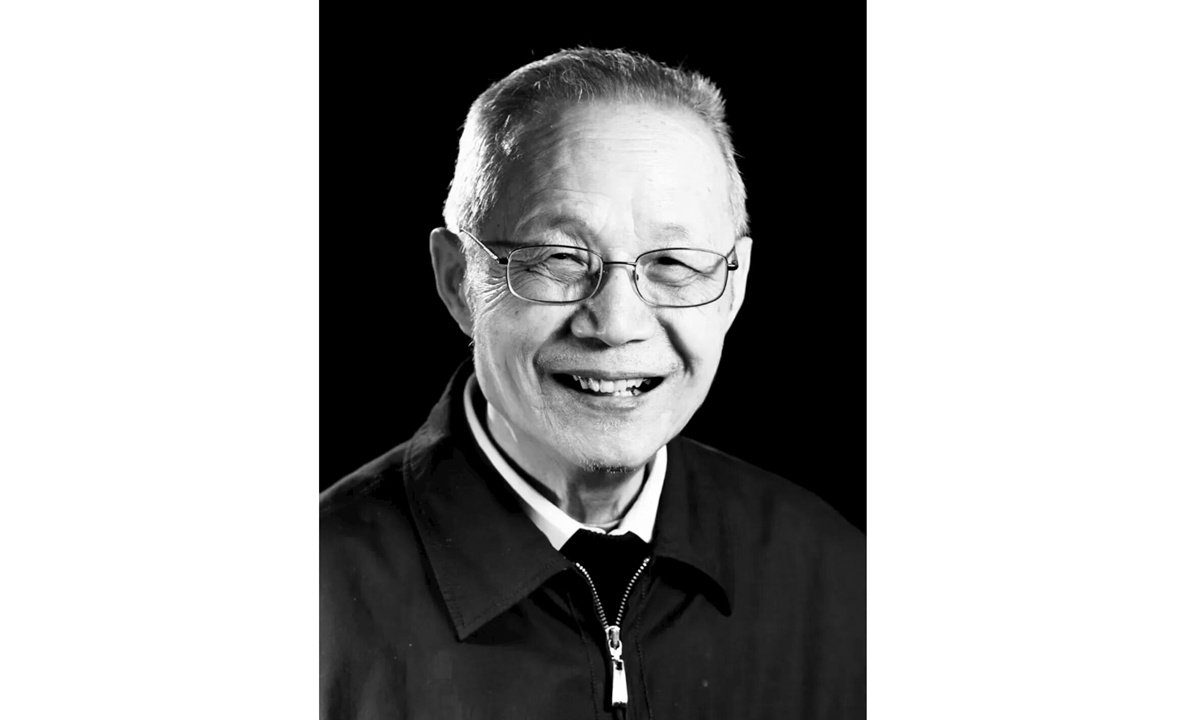
Gu Songfen, one of China's most celebrated aerodynamicists and a dual academician of both the Chinese Academy of Sciences and the Chinese Academy of Engineering, passed away on May 31, 2026, in Beijing at the age of 96. Born in Jiangsu Province in 1930, Gu built a distinguished career spanning decades within China's aviation industry, holding senior leadership positions at the Shenyang Aircraft Design and Research Institute and the Aviation Industry Corporation of China (AVIC). His most defining contribution was leading the independent development of the J-8 and J-8II supersonic fighter jets, representing a landmark achievement in China's self-reliant military aviation capability. Beyond fighter development, Gu established foundational aerodynamic design systems and fighter development frameworks that enabled generational advancements in Chinese aviation weapons systems, while also providing strategic advisory support for China's large commercial passenger aircraft program. Throughout his career, he received China's highest scientific honors, including the State Preeminent Science and Technology Award, and was widely recognized as a mentor who cultivated the next generation of Chinese aircraft designers.
Key Takeaways
- 1. **Strategic Self-Reliance Milestone:** Gu's leadership in developing the J-8 and J-8II supersonic fighters marked China's first independently designed and produced fighter jets, significantly reducing reliance on foreign aviation technology and boosting national defence sovereignty.
- 2. **Foundational Systems Architecture:** By establishing China's aerodynamic design system and fighter development framework, Gu created the institutional and technical infrastructure that continues to underpin successive generations of Chinese military aircraft development.
- 3. **Dual Military-Civil Strategic Impact:** Gu's advisory contributions extended beyond military aviation to China's large passenger aircraft program, demonstrating the critical intersection between military aerospace expertise and broader national strategic technological goals.
- 4. **Long-Term Human Capital Development:** His role in mentoring leading aircraft design talents ensures that his strategic and technical legacy persists within China's defence aviation industry, sustaining indigenous innovation capabilities well into the future.
- 5. **Recognition of Defence-Industrial Importance:** The breadth of prestigious state awards Gu received, including special-class and first-class Science and Technology Progress Awards, reflects the Chinese government's prioritization of indigenous defence aerospace development as a core national security imperative.