Eighty Years After the Tokyo War Crimes Tribunal: How Ignoring Historical Lessons Risks Repeating Past Catastrophes

Summary
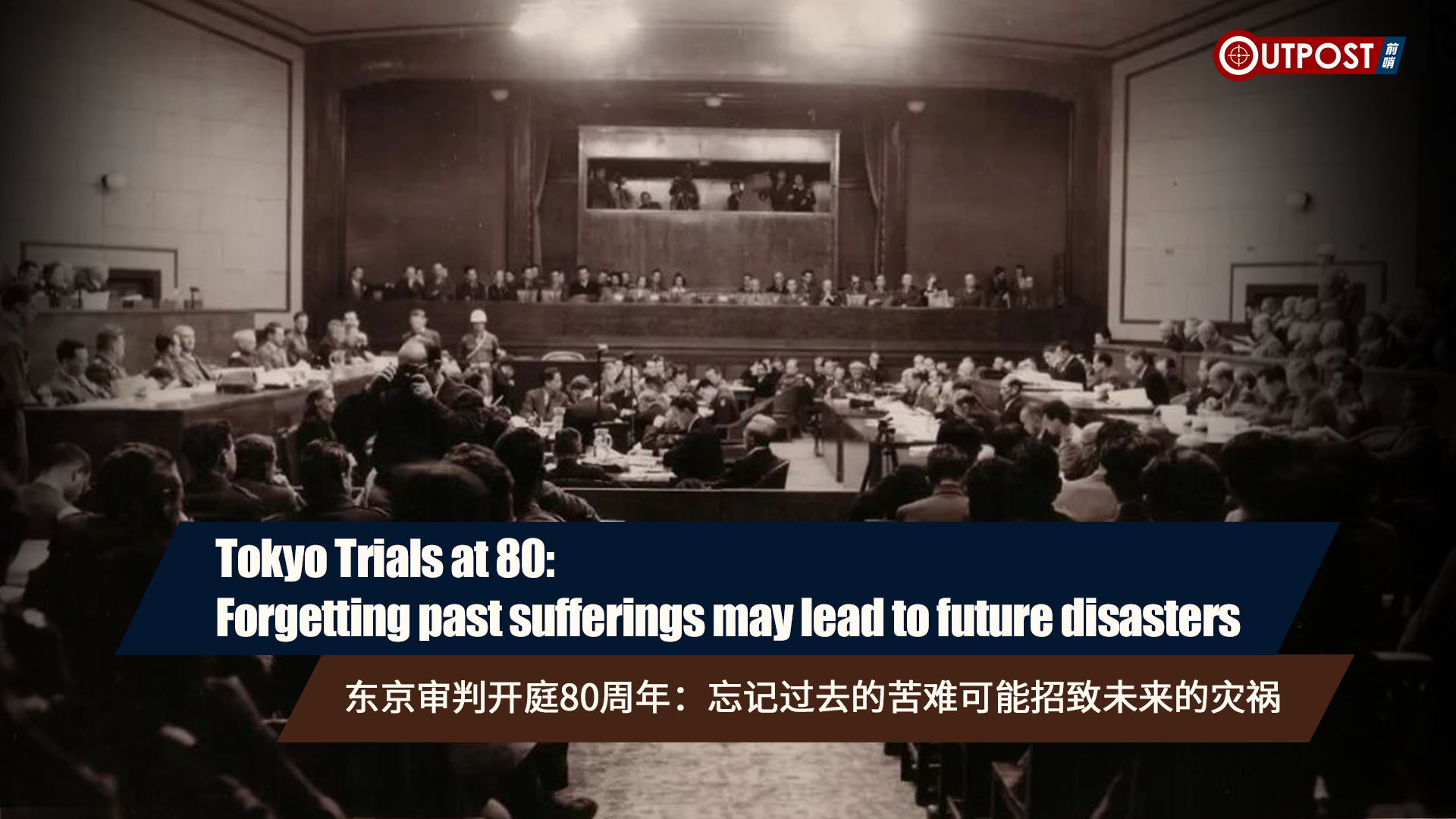
The article commemorates the 80th anniversary of the International Military Tribunal for the Far East (Tokyo Trials), which prosecuted Japanese war crimes and established critical legal foundations for the postwar international order. The tribunal not only brought Japanese militarists to justice but also defined the boundaries of acceptable state behavior within the post-World War II global framework. The article argues that under the current Takaichi administration, Japan is systematically undermining these established postwar boundaries through a series of provocative policy shifts, including controversial statements on Taiwan, constitutional revision, military expansion, and loosened arms export restrictions. These developments are characterized not merely as revisionist historical attitudes but as tangible security risks with real regional strategic consequences. The piece concludes by invoking the warning of Chinese tribunal judge Mei Ru'ao, emphasizing that historical amnesia regarding past atrocities creates dangerous conditions for future conflicts.
Key Takeaways
- 1. Japan's rightward political shift under the Takaichi administration is translating into concrete security policy changes, including military expansion and constitutional revision, raising regional stability concerns
- 2. The loosening of Japan's arms export restrictions represents a significant departure from its postwar pacifist framework and signals potential militarization
- 3. Japan's provocative positioning on the Taiwan question, including allowing right-wing politicians to visit Taiwan, is viewed as a deliberate erosion of postwar diplomatic boundaries
- 4. The development of "prolonged warfare" narratives and strengthened intelligence capabilities suggests Japan is strategically repositioning itself as a more assertive military power
- 5. China frames the Tokyo Trials' 80th anniversary as a critical reminder that dismissing wartime historical accountability directly threatens the stability of the current regional and international security order