Iran's Top Diplomat Urges India to Take on a Bigger Peacemaking Role in the Middle East

Summary
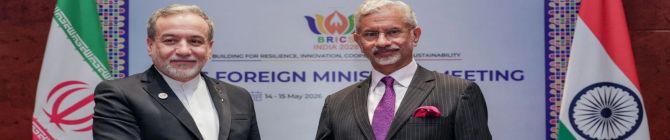
Iranian Foreign Minister Abbas Araghchi, visiting New Delhi for the BRICS foreign ministers' meeting, called on India to leverage its strong regional relationships to play a more active role in stabilizing West Asia, a sentiment that aligned with Prime Minister Modi's simultaneous pledge from Abu Dhabi to support regional peace efforts. Araghchi placed significant blame on the United States for stalled diplomatic progress, citing contradictory signals and deep Iranian mistrust of American intentions, while accusing both the US and Israel of conducting unprovoked aggression against Iran even during ongoing negotiations. The Iranian minister held substantive talks with PM Modi and External Affairs Minister Jaishankar covering critical issues such as the Strait of Hormuz, through which approximately 20 percent of global petroleum supplies pass, describing the strategic waterway's situation as highly complicated. On the economic front, Araghchi extended an offer to resume Iranian oil exports to India and expressed hope that India would continue its development of the Chabahar Port project, which serves as a vital trade corridor to Central Asia bypassing Pakistan, despite uncertainties surrounding US sanctions exemptions. He indicated that bilateral trade, which had previously exceeded USD 20 billion annually, could rapidly recover if sanctions were eased, signaling Iran's strong interest in rebuilding economic ties with India.
Key Takeaways
- 1. **India's Strategic Mediator Potential:** Iran's formal acknowledgment of India as a credible peace broker in West Asia elevates New Delhi's diplomatic standing and could expand its strategic influence in a volatile region.
- 2. **Strait of Hormuz Security Concerns:** Discussions on the Strait of Hormuz signal India's deep vulnerability to regional conflicts, given that disruptions to this chokepoint directly threaten India's energy security and supply chains.
- 3. **Chabahar Port's Strategic Continuity:** Iran's urging of India to persist with the Chabahar Port project underscores its critical importance as a sanctions-resistant connectivity corridor linking India to Central Asia and Afghanistan while circumventing Pakistan.
- 4. **Iran-US Tensions Create Regional Instability:** Araghchi's warning that a return to full-scale war remains possible serves as a strategic red flag for India, which must carefully balance its relationships with both Iran and Western powers, particularly the US.
- 5. **Energy and Sanctions Dilemma:** Iran's offer to resume oil exports places India in a complex geopolitical position, potentially forcing New Delhi to choose between cost-effective Iranian energy imports and maintaining compliance with US-led sanctions regimes.