NATO's Canada-Led Force in Latvia Transitions from Symbolic Deterrence to Active Defense Capability, Commander Reports

Summary
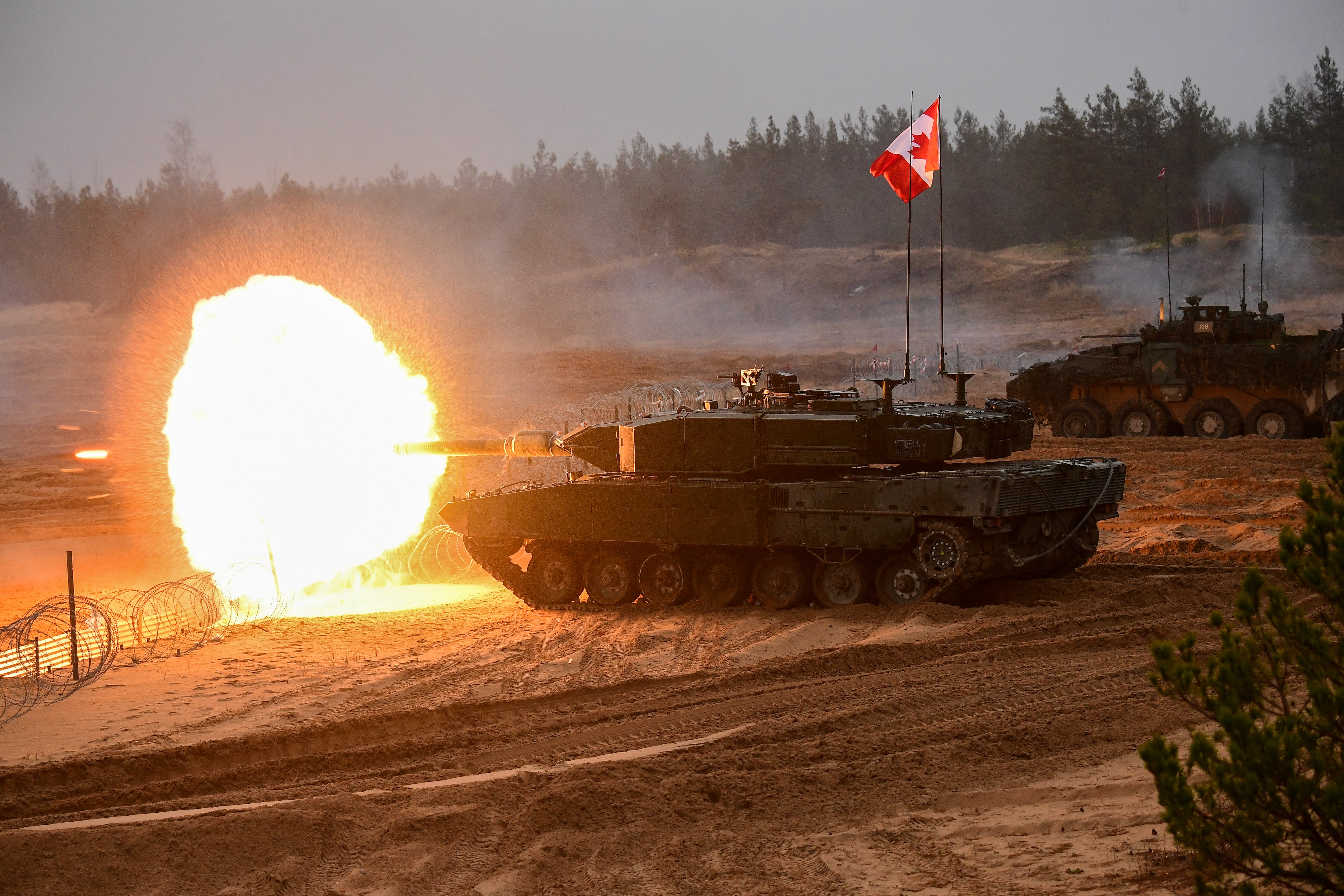
The Canadian-led NATO multinational brigade stationed in Latvia has evolved from a symbolic "tripwire" deterrence posture into a force capable of mounting a credible, active defense against potential Russian aggression, according to brigade commander Col. Kris Reeves. This strategic shift, described as achieving "tactical credibility," has involved deploying troops to four different locations across Latvia, including forward positions near the Russian border, allowing soldiers to familiarize themselves with the terrain where they would actually fight. Canada, which contributes approximately 2,000 troops in its largest overseas deployment, scaled up its presence from a battlegroup to a full brigade in June 2022 following Russia's invasion of Ukraine, and the force now operates alongside Latvia's Mechanized Infantry Brigade under NATO's Multinational Division North. The brigade, comprising troops from 14 nations, serves as both a combat-ready formation and a learning environment, with soldiers continuously drawing lessons from the Ukrainian conflict and bringing improved NATO interoperability knowledge back to their home countries.
Key Takeaways
- 1. The Canada-led NATO brigade in Latvia has shifted from a passive tripwire deterrence role to an active defense posture focused on holding ground in a potential conflict
- 2. Canada expanded its Latvian presence from a battlegroup to a full brigade following Russia's 2022 invasion of Ukraine, now representing Canada's largest overseas military deployment
- 3. Forward positioning near Latvia's eastern border has improved terrain familiarity, operational readiness, and trust-building with local civilian populations
- 4. The multinational brigade, drawing from 14 nations, provides valuable diverse perspectives at the headquarters level while working to improve seamless interoperability at unit level
- 5. Soldiers are actively incorporating lessons learned from the Ukrainian battlefield, with returning troops required to train and educate others upon completing their deployments