NATO Confronts the Challenge of Integrating Ground-Based Combat Robots Along Russia's Doorstep

Summary
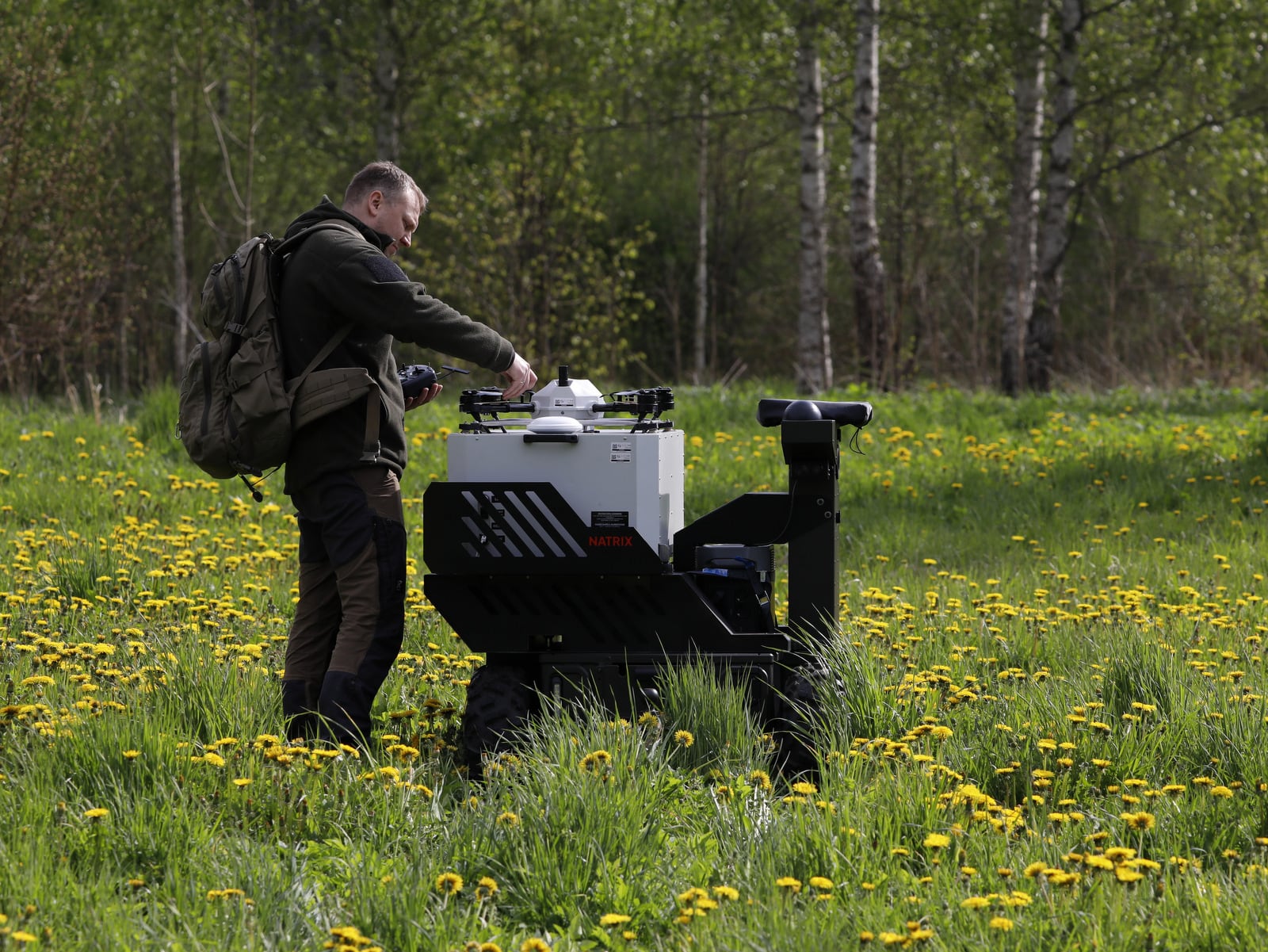
During Latvia's Crystal Arrow military exercise, NATO forces tested unmanned ground vehicles (UGVs) in combat scenarios for the first time, with opposing forces equipped with wheeled robots to challenge blue-team troops who relied solely on aerial drones. The exercise, conducted less than 200 kilometers from the Russian border, featured the Estonian-made Ark-1 robot, a small four-wheeled vehicle capable of reconnaissance missions up to 15 kilometers away and delivering anti-tank mines at speeds exceeding 40 kilometers per hour. Latvian troops received training from Ukrainian combat veterans, as Ukraine's battlefield experience with both aerial and ground drones has made it a leading authority on unmanned warfare tactics, with Ukraine planning to acquire 25,000 UGVs by the end of June. The exercise revealed that ground robots provided significant tactical advantages, including operating effectively in high-wind conditions when aerial drones were grounded, and initially caught blue-team troops completely off guard despite some soldiers initially dismissing the small robots as toys. NATO's Allied Land Command is now working to incorporate lessons learned from the exercise into broader alliance doctrine, while individual member nations continue studying the optimal ratio of crewed to uncrewed systems for future force structures.
Key Takeaways
- 1. UGVs proved to be effective force multipliers in the Crystal Arrow exercise, providing reconnaissance, attack, resupply, and casualty evacuation capabilities without risking soldiers' lives
- 2. Ukraine's combat experience with unmanned systems is directly shaping NATO training, with Ukrainian veterans serving as instructors for alliance troops
- 3. The Ark-1 robot demonstrated dual-use capability as both a reconnaissance platform and a kamikaze-style anti-tank weapon, functioning even when aerial drones were grounded by weather
- 4. NATO forces acknowledge they are behind in ground drone integration compared to aerial drone adoption, highlighting an urgent need to accelerate UGV incorporation into military doctrine and decision-making
- 5. Soldier skepticism toward smaller UGV systems remains a cultural challenge, though hands-on operational experience during exercises quickly changes perceptions of their battlefield effectiveness