Pakistan Unveils Fatah-3 Supersonic Ramjet-Powered Cruise Missile System

Summary
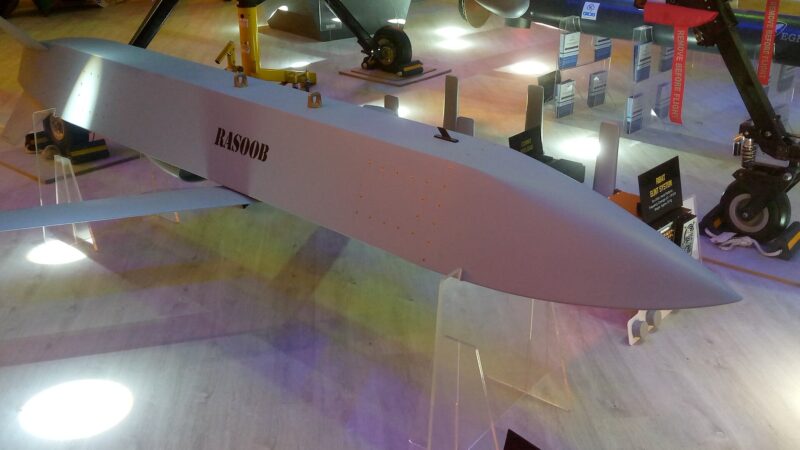
Pakistan's Inter Services Public Relations (ISPR) publicly disclosed the Fatah-3 supersonic cruise missile on May 8th through a video release, marking the first official acknowledgment that the Pakistan Army has acquired a supersonic strike capability within its precision-fire arsenal. The missile is powered by a ramjet engine and was shown launching from a road-mobile transporter-erector-launcher (TEL), with its physical design bearing a strong resemblance to China's HD-1 supersonic missile developed by Guangdong Hongda Blasting Co., sharing nearly identical airframe geometry, ramjet intake configuration, and booster systems. However, analysts urge caution in interpreting the announcement, as ISPR has a documented history of using repurposed footage in promotional materials, and no independently verifiable test evidence such as NOTAMs or satellite imagery of a launch event has been observed to confirm operational induction. Despite these uncertainties regarding the system's current readiness, the strategic significance of the public reveal lies in the Pakistan Army Rocket Force Command's (ARFC) clear intention to develop and field a supersonic-cruising strike capability. Notably, defence analysts at Quwa had previously predicted as early as 2019 that Pakistan could pursue the HD-1 or a similar Chinese supersonic missile system as part of its procurement strategy.
Key Takeaways
- 1. Pakistan has officially acknowledged the Fatah-3 as a ramjet-powered supersonic cruise missile, signaling a significant qualitative upgrade to its precision-strike capabilities
- 2. The Fatah-3's strong physical resemblance to China's HD-1 missile strongly suggests a Chinese origin or technology transfer, further deepening Pakistan-China defence cooperation in advanced missile systems
- 3. The absence of verifiable test data or satellite evidence raises legitimate questions about whether the Fatah-3 is fully operational or still in developmental stages, warranting measured strategic assessment
- 4. The public reveal carries important signaling value regardless of current operational status, demonstrating the Pakistan Army Rocket Force Command's strategic intent to field supersonic strike capabilities against potential adversaries
- 5. The development represents a potential shift in regional military balance, as supersonic cruise missiles are considerably harder to intercept than subsonic counterparts, with direct implications for India's air defence planning and broader South Asian strategic stability