Pakistan's Rapid Military Rebuild Following the 2025 India-Pakistan War: A Year of Intensive Rearmament

Summary
In the twelve months following the May 2025 India-Pakistan conflict, Pakistan has embarked on one of the most accelerated military modernization campaigns in its history, introducing supersonic missiles, drone production facilities, reconnaissance satellites, and formally establishing the Army Rocket Force Command (ARFC). While the Pakistan Air Force achieved notable early success in the conflict — with J-10C fighters downing Indian aircraft including Rafale jets — the war exposed critical vulnerabilities in Pakistan's air defence networks, airbase hardening, and escalation management, as Indian BrahMos missiles struck key PAF bases and Israeli-made drones penetrated deep into Pakistani territory. One year later, Lieutenant General Ahmed Sharif Chaudhry publicly showcased the newly inducted weapons systems, claiming Pakistan had only demonstrated "10 percent" of its military capabilities during the conflict. Defence analysts acknowledge that the hardware procurement is genuinely progressing, but raise deeper concerns about whether institutional reforms, updated military doctrine, and command authority structures have kept pace with the new equipment. The central unresolved question remains whether these rapid acquisitions will translate into a meaningfully changed strategic outcome should another large-scale India-Pakistan conflict occur.
Key Takeaways
- 1. Pakistan's post-2025 rearmament is remarkably compressed in timeline, reflecting urgent lessons learned from exposed vulnerabilities during the May 2025 conflict with India
- 2. The PAF demonstrated tactical air superiority in the opening engagement but lost strategic initiative as India used persistent drone and loitering munition campaigns to control escalation dynamics
- 3. The formal establishment of the Army Rocket Force Command (ARFC) signals Pakistan's intent to institutionalize precision strike capabilities as a dedicated deterrence pillar, mirroring similar structures in China and other regional powers
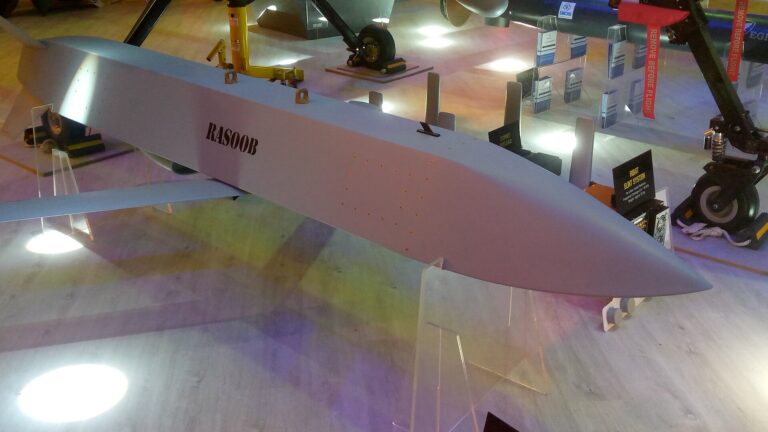
- 4. Hardware acquisitions — including Fatah-3 supersonic missiles, Shahed-style drone factories, and a growing satellite constellation — represent a multi-domain approach to conventional deterrence rather than reliance on a single capability
- 5. Defence analysts warn that procurement alone is insufficient; doctrinal adaptation, command authority clarity, and institutional depth must accompany new weapons systems to genuinely shift Pakistan's strategic posture against India