Learning from the Shahed Model: Why Pakistan Should Rely on Small-Scale Manufacturing Facilities for Drone Production

Summary
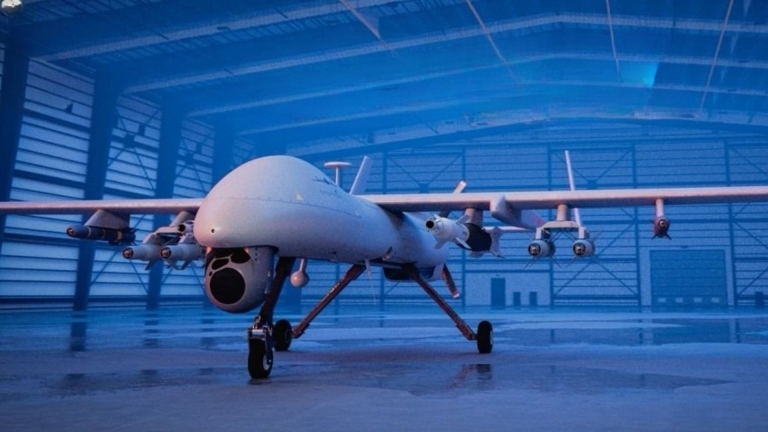
Pakistan is currently developing one of its most extensive loitering munitions programs in its procurement history, with multiple designs being developed across state institutions like NESCOM and NASTP, as well as private sector firms. However, the central question raised is whether Pakistan's drone development philosophy prioritizes mass production scalability over technical sophistication, as lessons from the May 2025 conflict, the Russia-Ukraine war, and Iran's military operations all demonstrate that production volume is the critical determinant of loitering munitions effectiveness. Pakistan faces a significant industrial limitation, as it lacks the advanced aerospace manufacturing infrastructure, composite fabrication capabilities, and precision electronics production needed to mass-produce technologically complex drone systems at meaningful scale. The strategic value of Shahed-style loitering munitions lies specifically in their expendability, low cost, and ease of production, enabling them to simultaneously strike surviving targets while exhausting an adversary's air defense inventory, including expensive surface-to-air missile systems. At sufficient scale — potentially 5,000 to 10,000 units — such drones could progressively degrade India's layered air defense coverage, creating operational windows for Pakistan's higher-value precision strike assets like Fatah-series missiles and cruise missiles to penetrate successfully.
Key Takeaways
- 1. **Production Volume Trumps Sophistication:** The operational effectiveness of loitering munitions is fundamentally determined by production scale rather than technological complexity, a lesson validated by multiple recent conflicts
- 2. **Industrial Base Constraints Are Critical:** Pakistan's limited aerospace manufacturing depth makes mass production of advanced, feature-rich drone systems currently unachievable at strategically meaningful rates
- 3. **Attrition Economics Favor Simplicity:** Even at a 90% interception rate, large drone swarms simultaneously destroy targets and deplete costly enemy air defense interceptors, creating a favorable cost-exchange ratio against systems like India's MRSAM and S-400
- 4. **Strategic Enablement of Premium Weapons:** Sufficient drone saturation can systematically erode India's layered air defense network, creating penetration corridors for Pakistan's higher-value cruise and surface-to-surface missiles such as the Fatah-4 and Taimur systems
- 5. **Design Philosophy Must Be Reassessed:** Pakistan risks building a technically impressive but operationally inconsequential drone portfolio unless it deliberately adopts a Shahed-inspired design philosophy centered on simplicity, affordability, and decentralized small-factory mass production