Pakistan Air Force Reveals Short-Term Acquisition and Modernization Roadmap

Summary
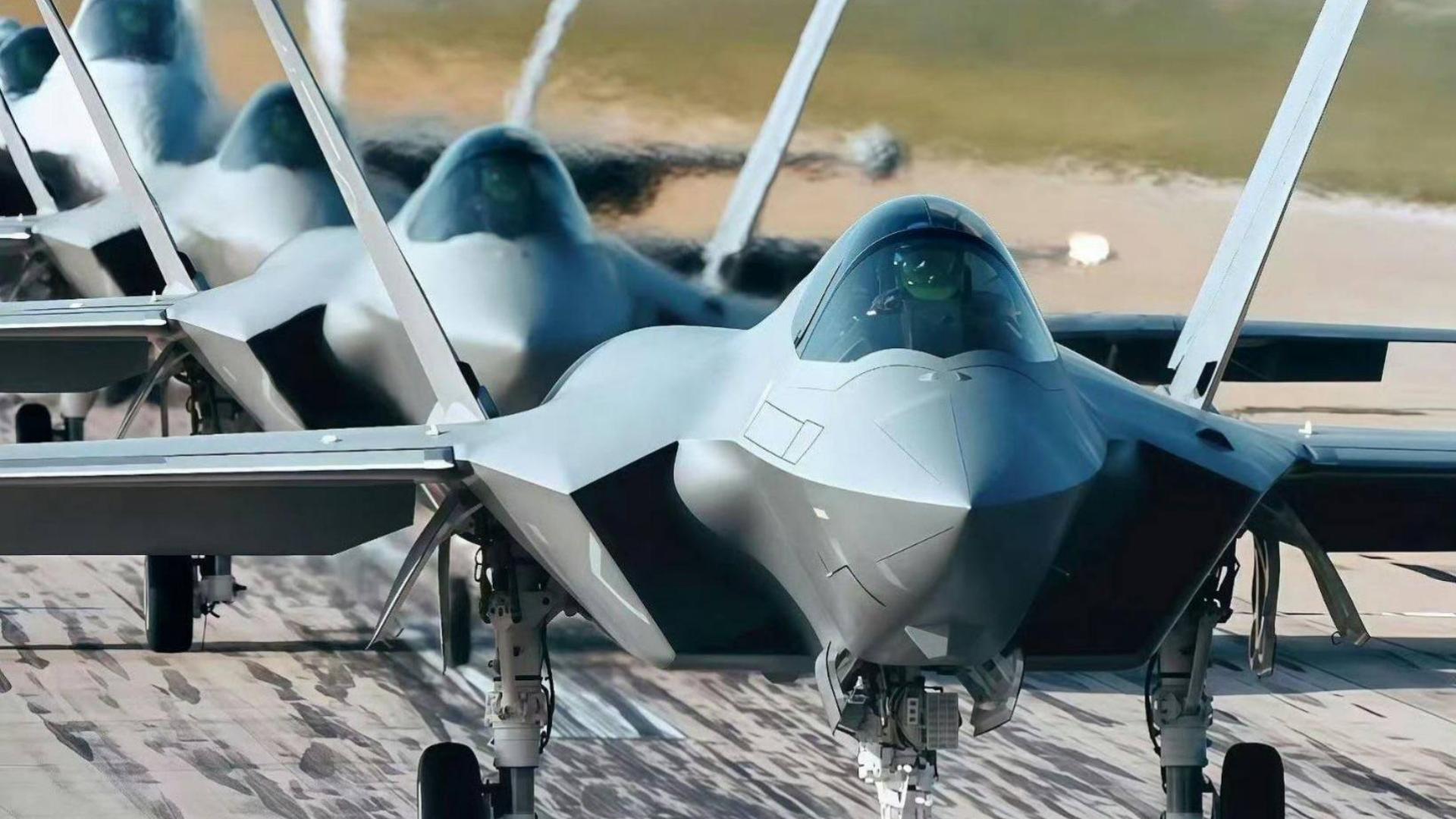
During a Joint Services Press Conference on May 7th, the Pakistan Air Force publicly outlined its near-term procurement priorities, including the acquisition of additional J-10CE fighters, upgraded JF-17 variants, long-range precision strike weapons, and enhanced ISTAR-air defence integration. Air Vice Marshal Tariq Mahmood Ghazi confirmed that an "initial collaborative mechanism" has been established for the fifth-generation Shenyang J-35AE fighter, though this platform appears positioned for a later acquisition timeline closer to the early 2030s. The PAF spokesperson also highlighted that over 160 original development programs are currently active across the National Aerospace Science and Technology Park and its affiliated entities, signaling significant domestic aerospace ambition. The announcements confirm a strategic sequencing approach where 4th and 4.5-generation platform procurement takes clear precedence over next-generation fighter acquisition, consistent with previously tracked industry analysis. This modernization push is partly driven by the aging F-16A/B Block-15 fleet approaching the end of its operational service life, necessitating near-term capability bridging solutions.
Key Takeaways
- 1. **J-10CE and JF-17 Prioritized First:** The PAF is actively pursuing additional J-10CE fighters and heavily upgraded JF-17 variants as immediate fleet priorities before any fifth-generation procurement
- 2. **J-35AE Partnership Confirmed but Deferred:** While an initial collaborative framework for the fifth-generation J-35AE has been established, its operational induction is realistically targeted for the early 2030s
- 3. **Long-Range Strike Capability Expansion:** Procurement of long-range precision strike weapons signals PAF's intent to extend its offensive reach and deep-strike capacity significantly
- 4. **ISTAR-Air Defence Integration as Strategic Priority:** Enhanced integration of intelligence, surveillance, and reconnaissance systems with air defence networks reflects a shift toward more networked, data-driven warfare capabilities
- 5. **Domestic Aerospace Development Scaling Up:** Over 160 original programs under development at NASTP indicate Pakistan's growing ambition to reduce foreign dependency and build indigenous defence-industrial capacity