Trump Concludes Beijing State Visit and Departs China

Summary
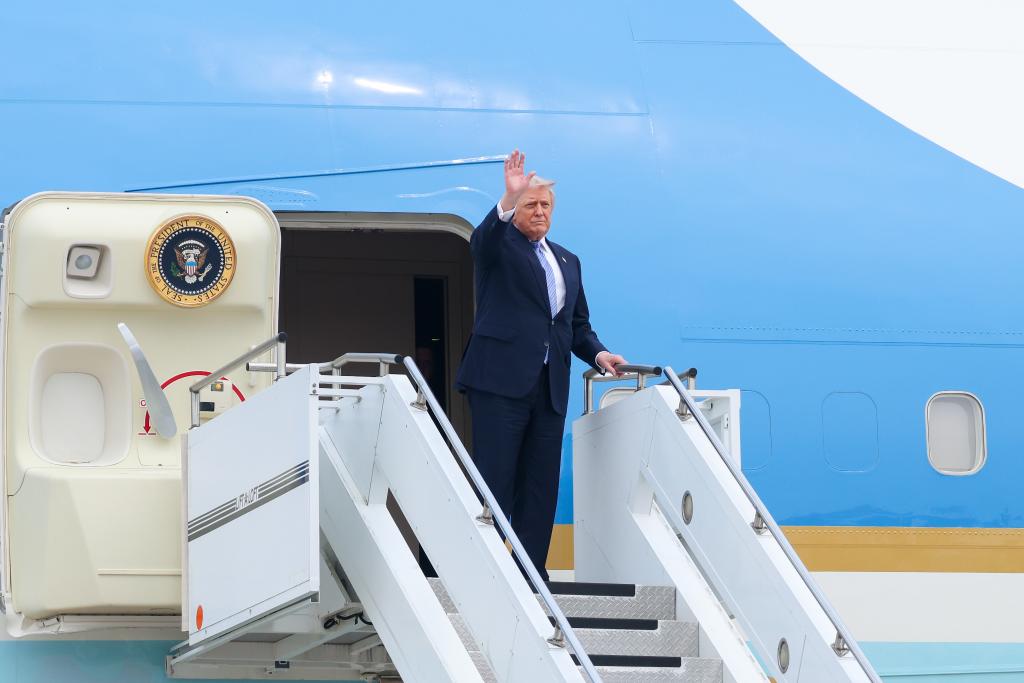
U.S. President Donald Trump officially concluded his state visit to China and departed Beijing on Friday afternoon, May 15, 2026. The visit represented a significant high-level diplomatic engagement between the United States and China at the presidential level. In a notable display of diplomatic protocol and respect, Chinese Foreign Minister Wang Yi, who also serves as a member of the Political Bureau of the CPC Central Committee, personally escorted Trump to the airport as a formal send-off. The farewell gesture by a senior Chinese political figure underscores the importance Beijing placed on the bilateral engagement. The visit was documented extensively by Chinese state media outlet Xinhua, suggesting China's interest in projecting the significance of the diplomatic exchange to both domestic and international audiences.
Key Takeaways
- 1. **High-Level Diplomatic Engagement:** A U.S. presidential state visit to Beijing signals a significant moment in U.S.-China relations, indicating both nations are maintaining direct high-level communication channels despite ongoing strategic tensions
- 2. **Protocol and Symbolism:** The airport send-off by Foreign Minister Wang Yi, a Politburo member, reflects China's deliberate use of diplomatic ceremony to signal the importance it attributes to the bilateral relationship
- 3. **Strategic Optics:** China's state media coverage through Xinhua with multiple photographers suggests Beijing's intent to leverage the visit for strategic messaging both domestically and internationally
- 4. **Diplomatic Stability Indicator:** A completed presidential state visit suggests a degree of diplomatic stability between the two rival superpowers, potentially indicating ongoing negotiations on trade, security, or other strategic matters
- 5. **Limited Disclosed Details:** The sparse reporting on substantive outcomes leaves key military and security agreements or discussions unclear, warranting close monitoring of subsequent policy announcements from both governments