Legislative Branch and Defense Department in Conflict Over Program Designed to Minimize Harm to Non-Combatants

Summary
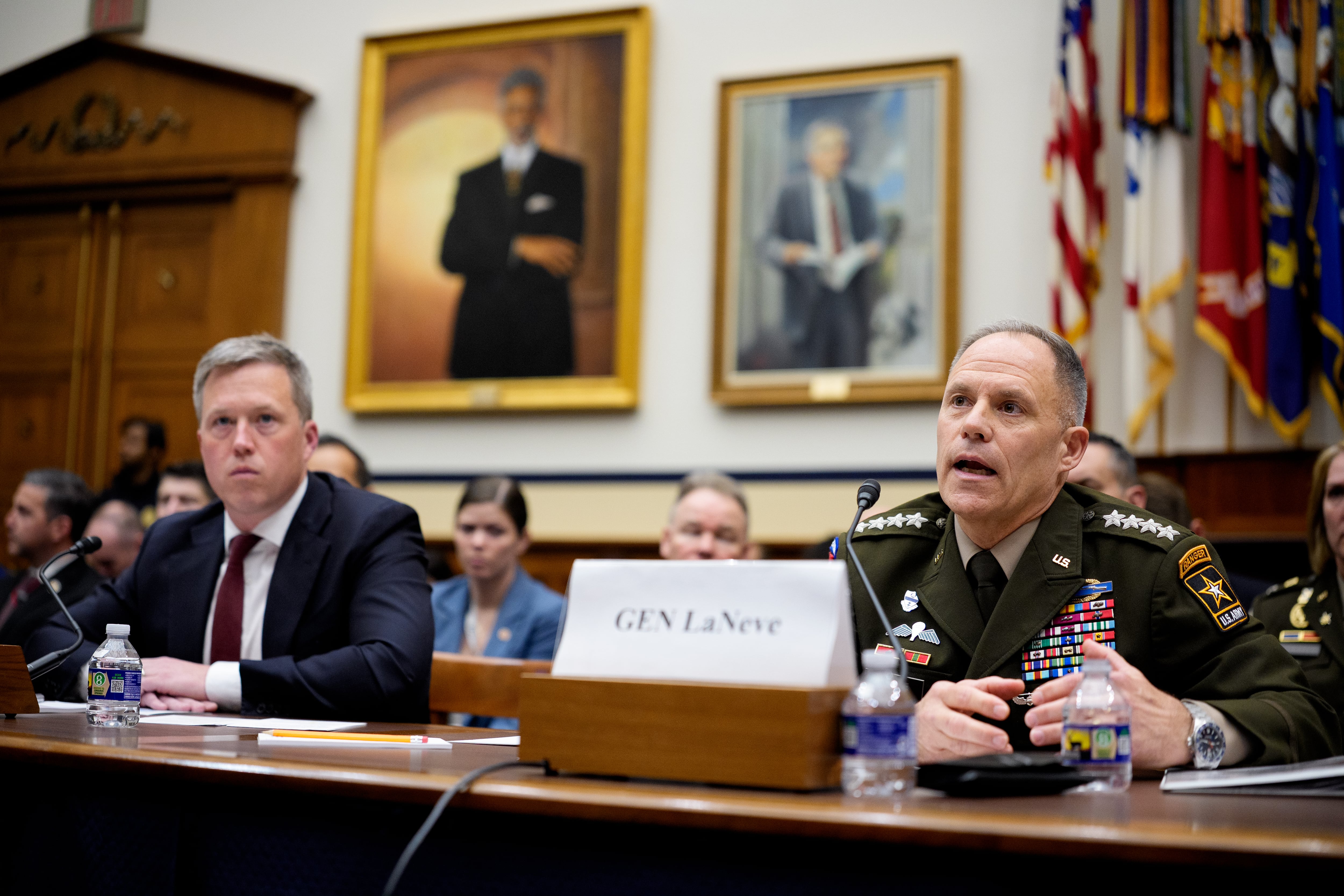
A congressional hearing before the House Armed Services Committee erupted in conflict after a Pentagon Inspector General report revealed that the Department of Defense had been systematically dismantling the Civilian Harm Mitigation and Response Action Plan (CHMR-AP), a legally mandated program established in 2022 to better track and reduce civilian casualties from U.S. military operations. Lawmakers, including ranking Democrat Rep. Adam Smith and Army veteran Rep. Jason Crow, accused Pentagon leadership of violating federal law by defunding the initiative, eliminating key personnel, and even submitting a legislative proposal to repeal the law requiring the Civilian Protection Center of Excellence. Army Secretary Dan Driscoll defended the Pentagon's actions by attributing the disruptions to organizational restructuring rather than deliberate dismantlement, while affirming the Department's continued commitment to minimizing civilian harm. Rep. Crow drew on his combat experience in Iraq and Afghanistan to argue that failure to protect civilian populations directly undermines long-term military mission success, noting that losing local population support contributed to broader strategic failures in those conflicts. Congressional leaders made clear they remained deeply skeptical of Pentagon assurances, with Rep. Smith stating that committee members fundamentally distrust the Secretary of Defense's characterization of the program changes as mere reorganization.
Key Takeaways
- 1. The Pentagon's Inspector General found that the DoD had been effectively dismantling the legally required CHMR-AP civilian harm reduction program without formal authorization
- 2. The DoD went as far as submitting a legislative proposal to Congress requesting the repeal of the law mandating the Civilian Protection Center of Excellence
- 3. Key program indicators of decline included halted funding, reassigned personnel, and discontinued meetings, potentially putting the DoD in violation of federal law
- 4. Army Secretary Driscoll defended the changes as organizational restructuring, but congressional lawmakers largely rejected this explanation as insufficient and unconvincing
- 5. Legislators argued that reducing civilian harm is not only a legal obligation but also a critical strategic necessity, as civilian casualties historically erode local population support and undermine overall mission effectiveness