Virupaksha AESA Radar Achieves Key Milestone in Testing Phase, Advancing the Super Sukhoi Modernization Program

Summary
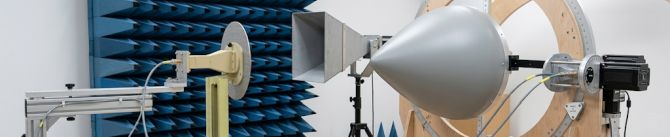
The Super Sukhoi upgrade program has reached a pivotal stage as India's Defence Research and Development Organisation (DRDO) begins fabrication and testing of the Virupaksha Active Electronically Scanned Array (AESA) radar, which is intended to significantly enhance the combat capabilities of the Su-30MKI fleet. A critical component of this process involves the construction of a specialized X-Band Radome Test Jig, a ground-based apparatus designed to simulate real operating conditions and verify that the aircraft's nose cone does not interfere with or distort the radar beam. Once ground trials successfully confirm beam integrity, signal strength, and system reliability, the Virupaksha radar will proceed to airborne testing, most likely mounted directly on a Su-30MKI, which is considered the most logical and efficient platform for evaluating real-world integration and combat functionality. The Virupaksha radar's AESA architecture promises superior detection ranges, enhanced tracking accuracy, rapid beam steering, multi-target engagement capability, and improved resistance to electronic countermeasures compared to older mechanically scanned radar systems. Beyond its technical significance, this milestone underscores India's growing indigenous defence capability and its strategic push toward self-reliance in advanced avionics development.
Key Takeaways
- 1. **Indigenous Capability Advancement:** The Virupaksha AESA radar represents a major step forward in India's self-reliant defence manufacturing, reducing dependency on foreign avionics suppliers for critical frontline aircraft systems.
- 2. **Strategic Fleet Enhancement:** The Super Sukhoi upgrade will dramatically improve the Su-30MKI's situational awareness and combat effectiveness, strengthening the Indian Air Force's ability to operate in contested airspace against advanced adversaries.
- 3. **Structured Testing Methodology:** DRDO's phased approach — beginning with ground-based Radome testing before proceeding to airborne trials — reflects a rigorous and systematic validation process to ensure operational reliability.
- 4. **Superior Technological Leap:** The X-Band AESA radar's capabilities, including rapid beam steering, multi-target tracking, and electronic countermeasure resistance, represent a generational improvement over the Su-30MKI's current mechanically scanned radar system.
- 5. **Accelerated Deployment Potential:** Testing the radar directly on a Su-30MKI rather than a dedicated flying test bed could significantly shorten the timeline for full fleet-wide integration and operational deployment.