Pakistan Launches Its First Hangor-Class Submarine in China, Strengthening the China-Pakistan Naval Partnership

Summary
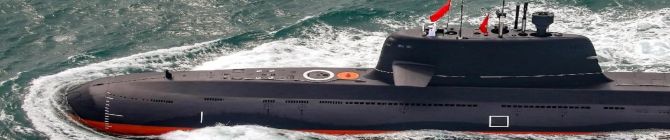
Pakistan officially commissioned its first Hangor-class submarine, PNS Hangor, on April 30, 2026, at Sanya, China, in a ceremony attended by President Asif Ali Zardari and senior naval officials from both nations, marking a significant milestone in Pakistan's naval modernisation program. The $5 billion Hangor-class program encompasses eight advanced diesel-electric submarines based on China's Type-039A Yuan-class design, featuring air-independent propulsion (AIP) systems that significantly enhance underwater endurance and stealth capabilities, with four being built in China and four under construction at Karachi Shipyard through technology transfer. These submarines will be armed with the nuclear-capable Babur-3 submarine-launched cruise missile with a 450 km range, potentially providing Pakistan with a credible second-strike nuclear deterrent and deep-strike capability against adversaries. By 2028, Pakistan expects to field all eight Hangor-class submarines, and when combined with its existing fleet, will operate a formidable force of 16 submarines, dramatically expanding its sea-denial capabilities in the Arabian Sea. India faces a concerning capability gap, as its submarine fleet lacks operational AIP technology, faces modernisation delays, and its next-generation Project 75I submarines are unlikely to be delivered before 2032, creating significant strategic vulnerability in the Indian Ocean region.
Key Takeaways
- 1. **China-Pakistan Naval Axis Deepens:** The commissioning of PNS Hangor in China underscores the growing strategic military partnership between Beijing and Islamabad, with China directly enabling Pakistan's rapid naval expansion through technology transfer and advanced submarine supply
- 2. **Nuclear Deterrence Enhancement:** The integration of the nuclear-capable Babur-3 SLCM gives Pakistan a credible sea-based second-strike nuclear capability, fundamentally altering the nuclear deterrence equation in South Asia and posing a direct strategic threat to India
- 3. **India's Submarine Capability Gap:** India currently lacks operational AIP technology in its conventional submarine fleet, while Pakistan will soon field eight AIP-equipped submarines, creating a significant technological disadvantage in anti-submarine warfare and undersea operations in the Arabian Sea
- 4. **Pakistan's Rapid Fleet Expansion:** With 16 total submarines expected by 2028, Pakistan is dramatically increasing its sea-denial capabilities, complicating India's naval operations, trade route security, and anti-submarine warfare environment across the Arabian Sea
- 5. **India's Modernisation Urgency:** India's Project 75I submarine program still awaiting Cabinet approval, with deliveries unlikely before 2032-2035, highlights a critical window of vulnerability that demands immediate policy action to accelerate indigenous submarine development and fleet modernisation