Competing Ukraine-Russia Victory Day Truces Fall Apart Almost Instantly Amid Continued Strikes and Threats

Summary
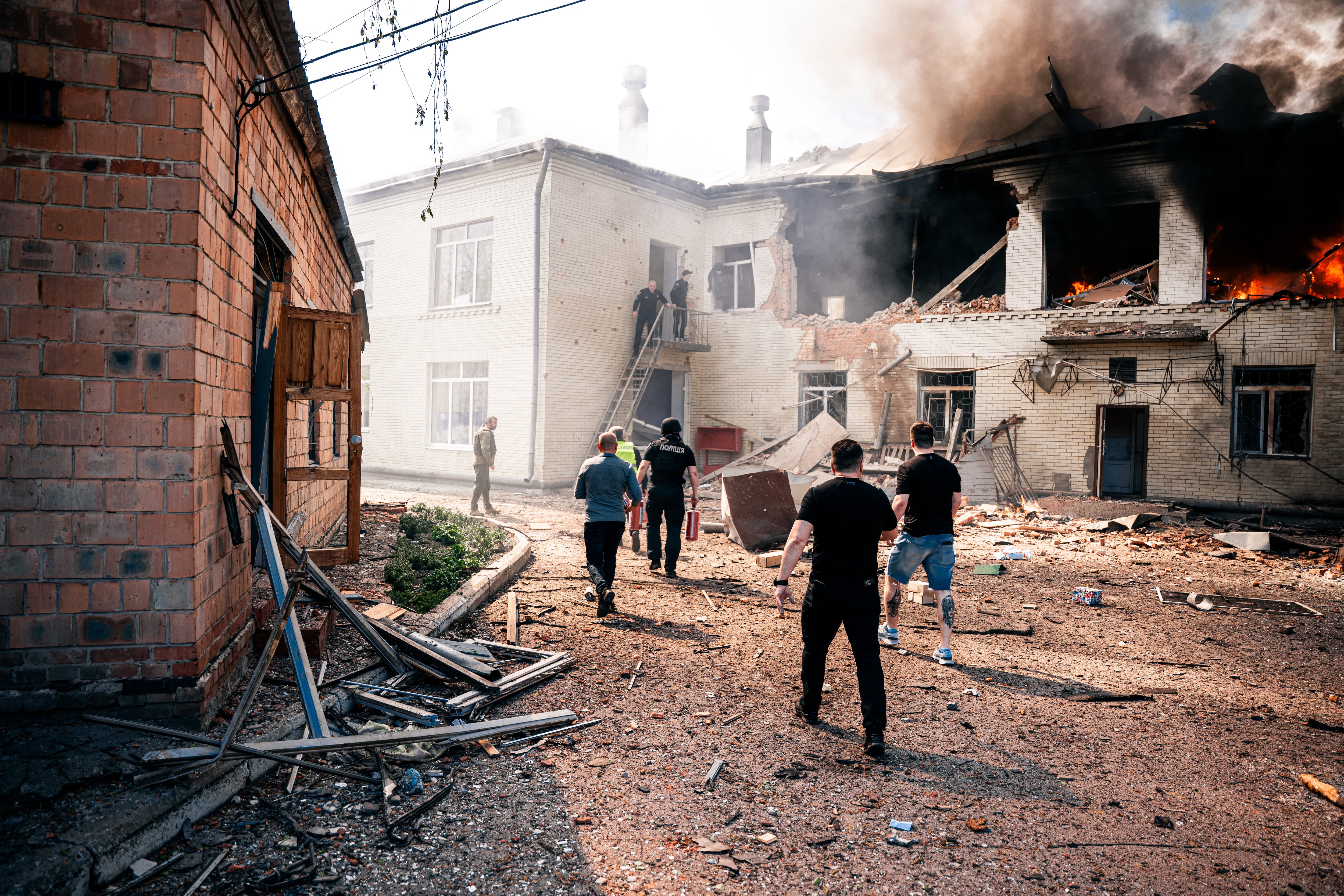
Both Russia and Ukraine announced separate, unilateral ceasefires timed around Victory Day celebrations commemorating the defeat of Nazi Germany, but the truces collapsed almost immediately as hostilities continued to escalate. Russia declared a ceasefire for May 8-9 while simultaneously threatening a "massive missile strike on the center of Kyiv" if any attacks occurred on Russian territory, and even issued evacuation warnings to Kyiv residents and embassy staff via Telegram. Ukraine responded with its own ceasefire declaration starting midnight on May 6, but Russian forces launched 108 combat drones and three missiles overnight, with Ukrainian President Zelensky reporting 1,820 ceasefire violations by Russian forces within hours, including strikes that killed two people at a kindergarten in the Sumy region. This pattern of competing, unilateral ceasefire declarations has become a recurring feature of the conflict's information warfare, with both sides using the inevitable violations to argue the other is not genuinely committed to peace, as was similarly demonstrated during an Easter ceasefire that saw thousands of alleged violations by both sides. Meanwhile, Russia's Victory Day parade in Moscow proceeded in a significantly scaled-back format, with tanks, armored vehicles, and missile carriers absent for the first time, citing "operational situation" and "terrorist threats," and far fewer world leaders attending than in previous years.
Key Takeaways
- 1. Both Russia and Ukraine declared competing unilateral ceasefires around Victory Day, but neither held, with Russia launching drone and missile attacks within hours of the proposed truce period
- 2. Zelensky reported 1,820 Russian ceasefire violations by the morning of May 6, including airstrikes, assault operations, and a deadly kindergarten strike in the Sumy border region
- 3. Russia escalated its rhetoric by threatening a "massive missile strike on central Kyiv" and issuing evacuation warnings to the Ukrainian capital's residents and diplomatic staff
- 4. Dueling ceasefire declarations have become a deliberate information warfare tactic used by both sides to portray the other as the obstacle to peace, following a nearly identical pattern seen during the recent Easter truce collapse
- 5. Russia's Victory Day parade in Moscow was dramatically reduced in scale, with military hardware absent and only a handful of foreign leaders confirmed to attend, compared to 29 heads of government present the previous year