NATO Allies Evaluate a Competitive Market for Drone Interceptors Where Affordability Reigns Supreme

Summary
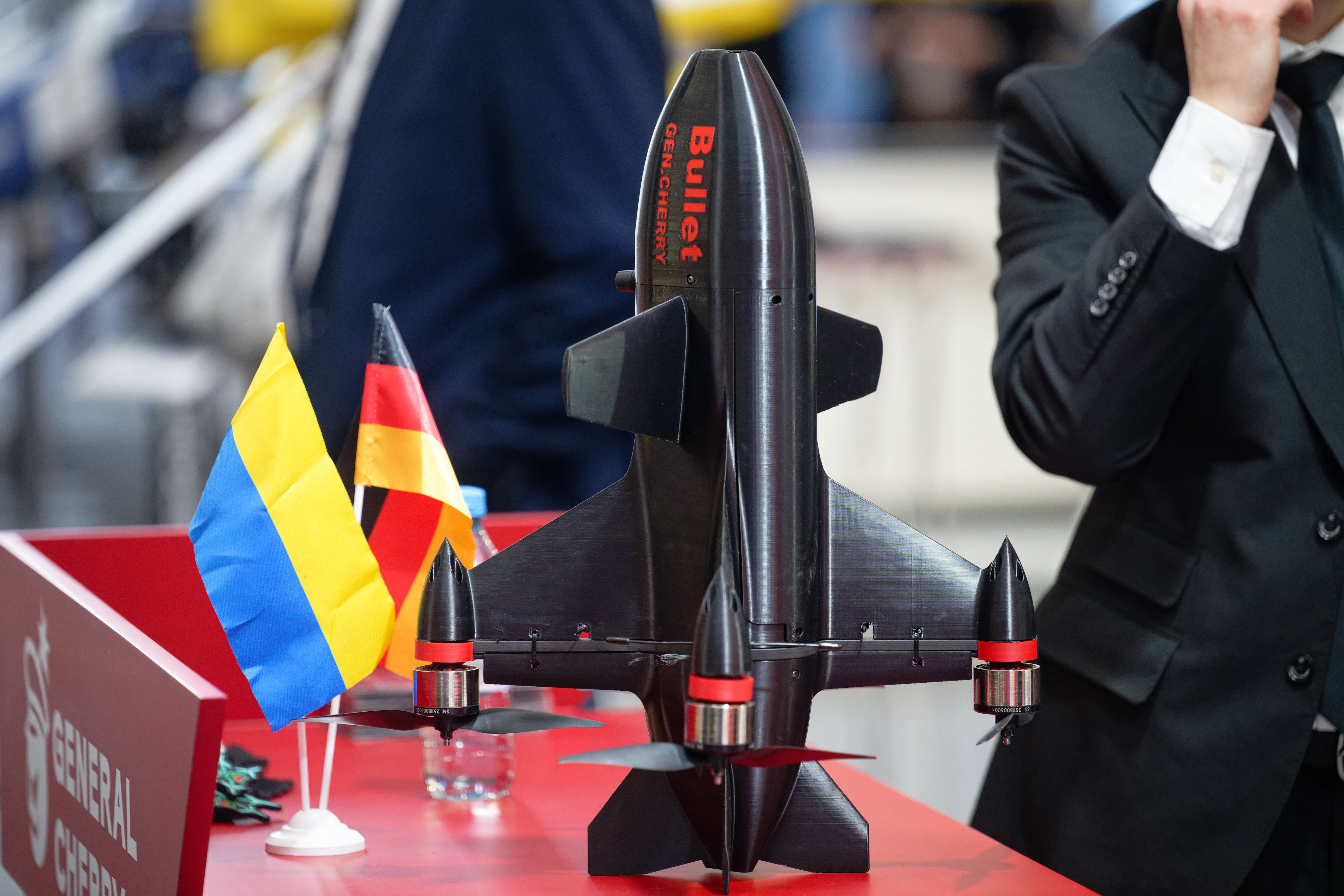
NATO nations are increasingly investing in low-cost drone interceptor systems, exemplified by Lithuania's recent $15,000-per-unit purchase of 48 American-made Merops interceptors, following similar acquisitions by Poland and Romania along NATO's eastern flank. The Merops system, developed by secretive startup Perennial Autonomy — founded by former Google CEO Eric Schmidt — received its first official combat confirmation when Army Secretary Dan Driscoll testified that it had successfully downed Iranian Shahed drones targeting U.S. troops in the Middle East, prompting an emergency purchase of 13,000 units in just eight days. The shift toward affordable interceptors reflects a fundamental imbalance in modern air defense, where traditional systems like Patriot missiles costing over $3 million per shot are being depleted defending against drones that cost a fraction of that price. Ukrainian-built interceptors, ranging from $1,000 to $3,000 per unit, remain strong competitors, with companies like General Cherry reporting tens of thousands of confirmed drone kills and the capacity to scale production to 100,000 units per month. The emerging interceptor market is rapidly evolving, with no single system dominating across all metrics, and Ukraine's rapidly expanding domestic production already surpassing all of 2025's output within the first four months of 2026.
Key Takeaways
- 1. The $15,000 Merops interceptor is gaining NATO adoption as a cost-effective solution to counter cheap attack drones like Iranian Shaheds, with Lithuania being the latest purchaser
- 2. The Pentagon's emergency procurement of 13,000 Merops units highlights how traditional expensive air defense systems like Patriot missiles are unsustainable against mass drone attacks
- 3. Ukrainian-manufactured interceptors remain fierce competitors, offering lower price points of $1,000–$3,000 per unit with extensive combat-proven track records and thousands of confirmed kills
- 4. No single interceptor system holds a decisive advantage across all performance metrics, making the counter-drone market highly competitive and diversified
- 5. Ukraine's interceptor production capacity is rapidly scaling, with output in early 2026 already exceeding all of 2025, signaling a major industrial ramp-up in drone warfare technology