India Plans Major Military and Strategic Base Close to Vital Indo-Pacific Maritime Corridor

Summary
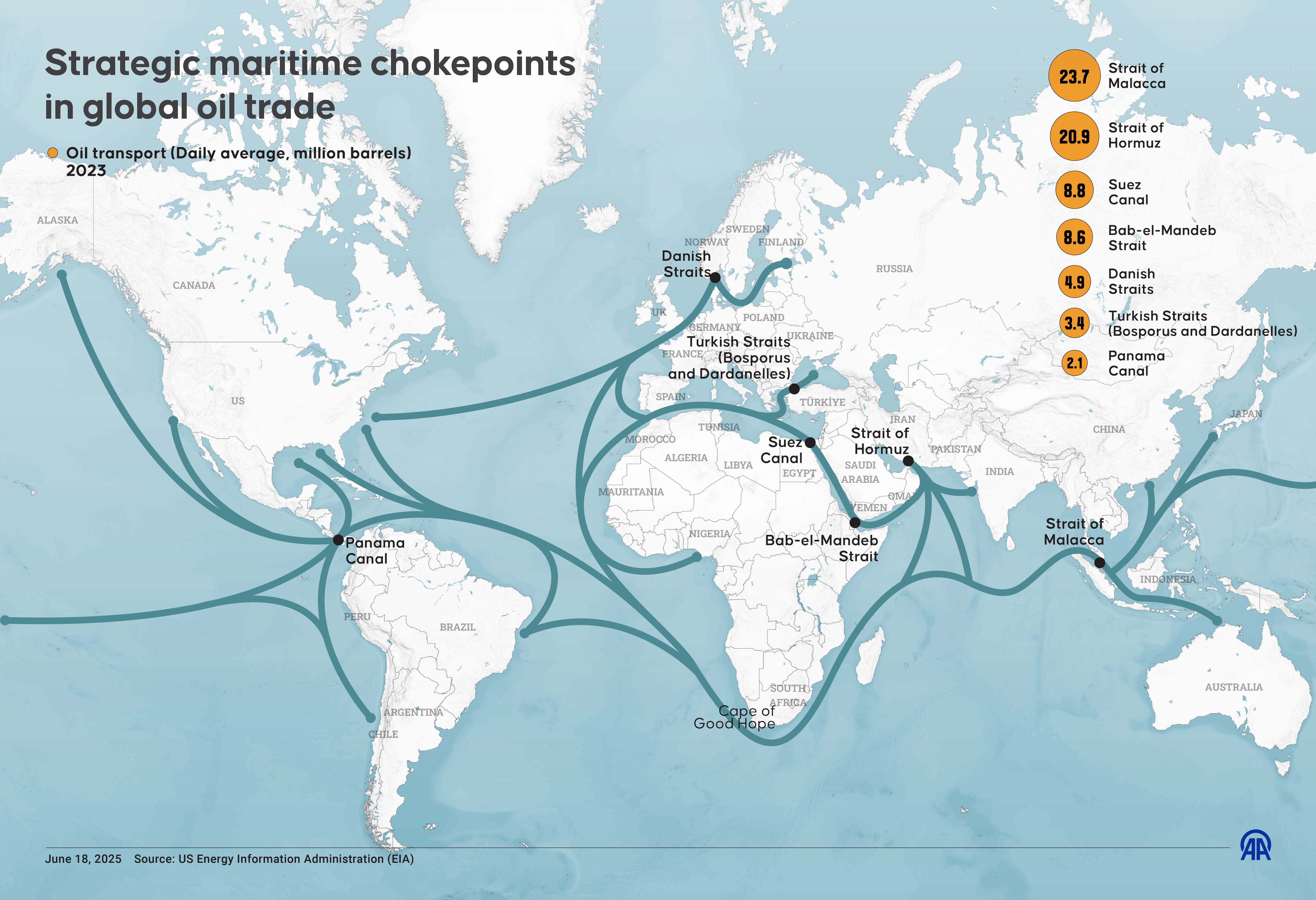
India is moving forward with a $9 billion infrastructure development project on Great Nicobar Island, strategically positioned approximately 150 kilometers from the Malacca Strait, one of the world's most critical maritime chokepoints that handles over a quarter of global sea trade. The project, which received environmental clearance in February after initial concerns were overruled, will span 160 square kilometers and include a container terminal, dual-use military and civilian airport, power plant, and township, developed across three phases. The development is driven by both strategic and economic motivations, with analysts highlighting its role in countering China's growing naval presence in the Indian Ocean, where Beijing has established ports in Sri Lanka and Pakistan and regularly deploys submarines and surveillance vessels. The ongoing Hormuz Strait crisis, which has severely disrupted global shipping following the U.S.-Iran-Israel conflict, has further reinforced India's urgency to establish a credible military deterrence presence and protect vital trade routes. Experts emphasize that transforming Great Nicobar into a permanent forward military base will significantly enhance India's surveillance capabilities, naval power projection, and overall strategic influence across the Indo-Pacific region.
Key Takeaways
- 1. India's $9 billion Great Nicobar Island project aims to establish a strategic military and commercial hub near the Malacca Strait, which handles over 25% of global maritime trade
- 2. The Hormuz Strait crisis has accelerated concerns about maritime chokepoint vulnerability, reinforcing the strategic urgency behind India's island development plan
- 3. Countering China's expanding Indian Ocean influence, including its port investments in Sri Lanka and Pakistan, is a primary strategic driver of the project
- 4. The development will include dual-use military-civilian infrastructure, enabling fighter jet operations, naval deployments, and enhanced maritime surveillance capabilities
- 5. Despite environmental objections that were legally overruled, India insists the project incorporates environmental safeguards while simultaneously advancing its ambition to be the region's leading maritime security provider