India's Fixation on Counterterrorism Has Reduced It to a Passive Bystander in Global Geopolitical Affairs

Summary
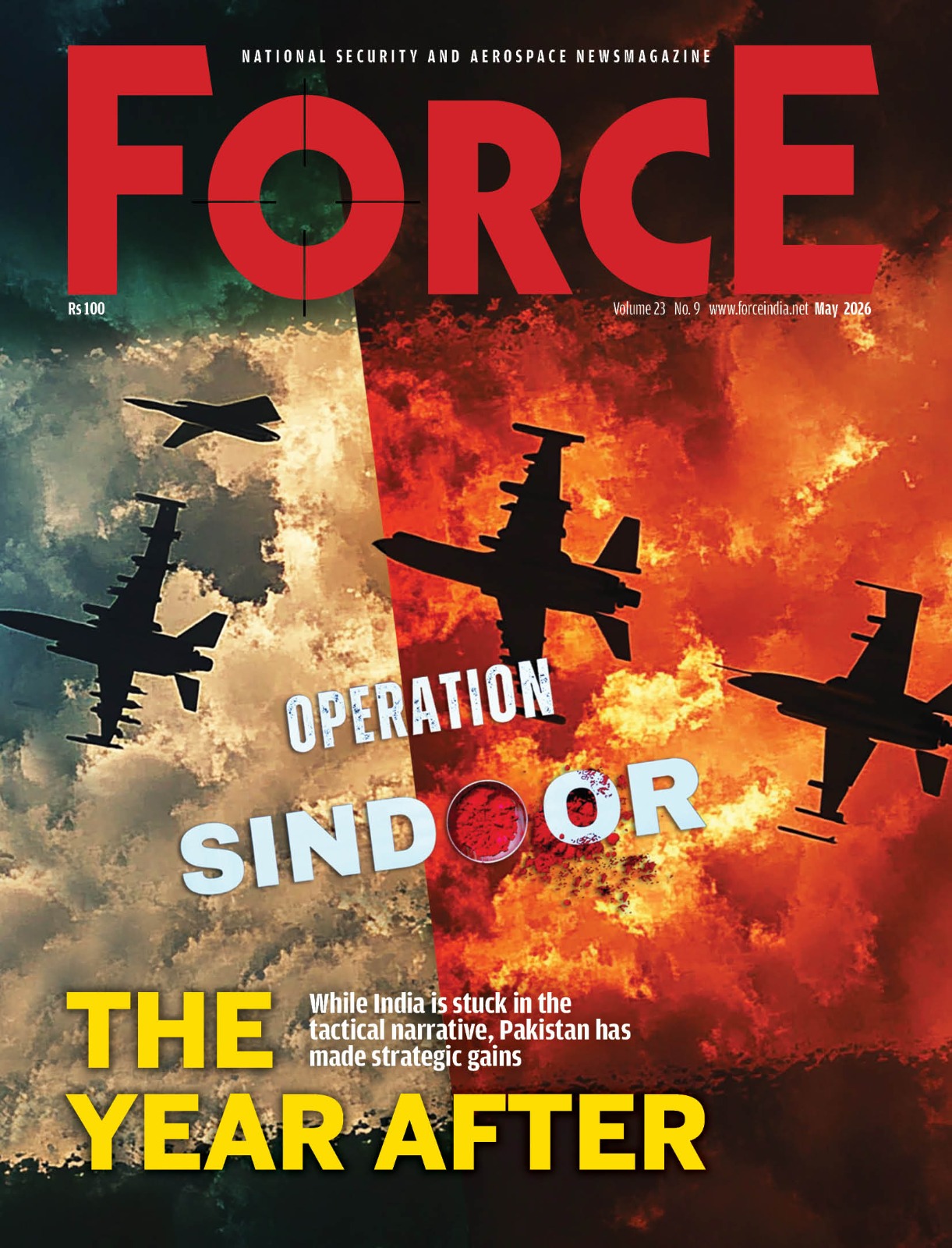
At the SCO Defence Ministers' meeting held in Bishkek, Kyrgyzstan on April 28, Indian Defence Minister Rajnath Singh delivered a speech that the article's author argues revealed India's failure to engage meaningfully with transformative global geopolitical shifts, including the erosion of US dominance, NATO's weakening, and the rise of Eurasia as a new power centre. Singh's address focused predominantly on terrorism, referencing Operation Sindoor as proof of India's zero-tolerance policy and calling out Pakistan's alleged state-sponsored cross-border terrorism, which the author suggests was messaging directed more at domestic audiences than at SCO delegates. The article criticizes Singh for deliberately decontextualizing terrorism from its political, social, and economic roots, arguing that sustained violent movements cannot exist without deeply felt grievances driving recruitment and loyalty among foot soldiers. Furthermore, Singh appeared to mock the concept of a new world order and implicitly aligned India with the US-led global framework, at a time when the author believes India should be advocating for a new cooperative, non-confrontational security architecture suited to the emerging multipolar reality. The author ultimately argues that India's post-2014 anti-terrorism narrative has become a self-imposed strategic constraint, preventing it from exercising meaningful influence in reshaping global security discourse.
Key Takeaways
- 1. **Strategic Myopia at SCO:** India missed a critical diplomatic opportunity at the SCO Defence Ministers' meeting to address major geopolitical realignments, instead defaulting to its established counterterrorism narrative
- 2. **Domestic Politics Overshadowing Defence Diplomacy:** Singh's speech appeared calibrated for Indian domestic consumption rather than genuine multilateral defence engagement, undermining India's credibility as a serious geopolitical actor
- 3. **Decontextualization of Security Threats:** By separating terrorism from its political and socioeconomic drivers, India risks adopting an exclusively militaristic response framework similar to Israel's approach in Palestine, limiting strategic options for conflict resolution
- 4. **Misalignment with Emerging World Order:** India's implicit endorsement of US-led global structures at an SCO forum — representing Eurasian powers — signals a potentially contradictory strategic posture as global power dynamics shift significantly away from Western dominance
- 5. **Missed Leadership Opportunity in Multipolar Architecture:** As Eurasia emerges as a new power centre and NATO and the EU weaken, India failed to leverage its unique non-aligned positioning to propose a cooperative, non-confrontational security framework that could have elevated its global defence and diplomatic influence