Pakistan Army's Transition Toward Networked Precision Firepower and Strike Capabilities

Summary
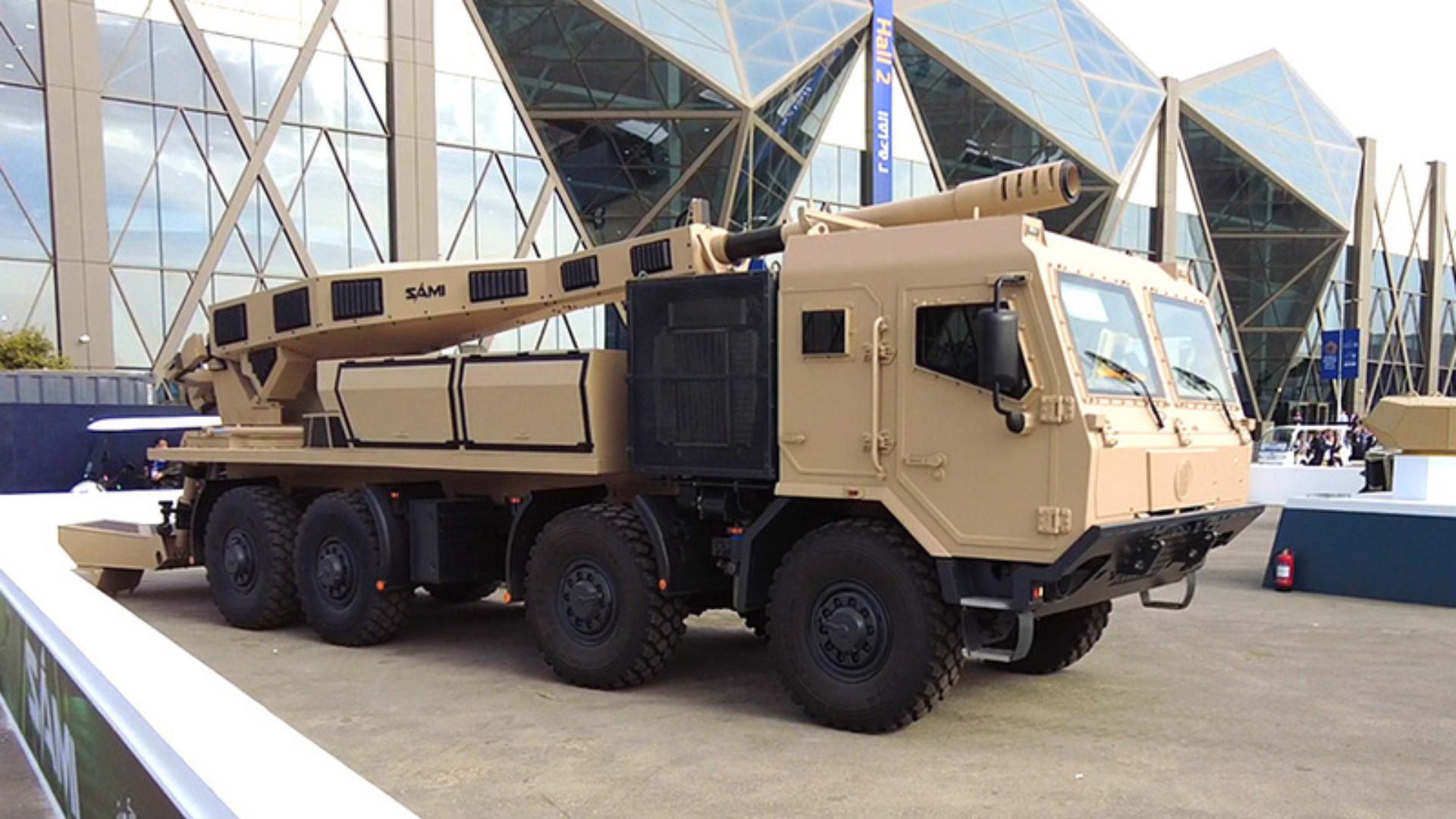
Historically, the Pakistan Army has relied heavily on numerical strength to counter the larger Indian Army, which often forced it to lag behind the Air Force and Navy in adopting advanced technologies and modern doctrines. This structural constraint has resulted in delayed or underfunded programs, such as assault rifle procurement and aviation corps expansion, as maintaining quantitative mass remained a strategic necessity. However, despite these challenges, the Pakistan Army has quietly made meaningful progress in network-enabled warfare, particularly in developing the connective infrastructure that allows its armored, artillery, and other combat systems to work together more effectively. A notable example is the development of a prototype Integrated Battlefield Management System (IBFMS) by the Directorate General Research and Development, revealed in the 2022-2024 Ministry of Defence Production disclosure. When considered alongside recent acquisitions and programs — including the SH-15 howitzer, VT4/Haider MBT, P251 wheeled SPH, Fatah-I and II guided missiles, and loitering munitions — the IBFMS emerges as a central element in the Army's broader doctrinal shift toward precision-fire and precision-strike warfare.
Key Takeaways
- 1. The Pakistan Army is undergoing a significant doctrinal transformation, moving away from mass-based warfare toward precision-fire and precision-strike operations enabled by networked systems
- 2. The development of the Integrated Battlefield Management System (IBFMS) signals a deliberate effort to create a unified command, control, and targeting architecture linking diverse combat platforms
- 3. Investment in guided surface-to-surface missiles (Fatah-I and II), loitering munitions, and modern artillery systems reflects a coordinated capability-building strategy rather than isolated procurement decisions
- 4. Despite budgetary and structural constraints, Pakistan is prioritizing indigenous research and development through DGRDE to reduce dependence on foreign systems and build sovereign defence capabilities
- 5. The quiet, incremental nature of these advancements suggests a strategic intent to develop asymmetric precision-strike capabilities that could complicate Indian Army planning and targeting assumptions