Inaugural Planning Session for the 2026 Beijing Xiangshan Security Forum Gets Underway

Summary
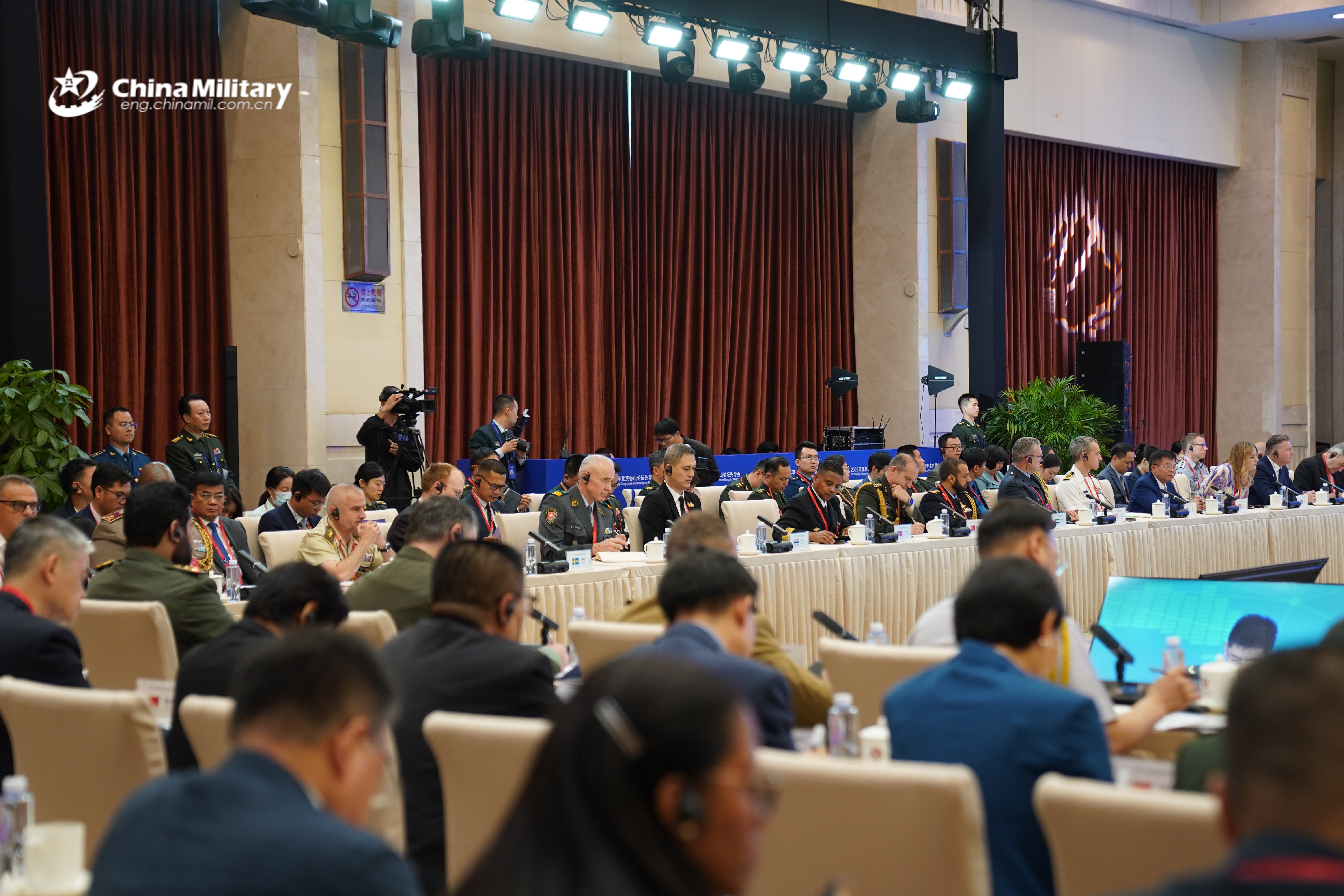
The Beijing Xiangshan Forum Navigator Meeting 2026 officially opened on May 8, 2026, at the Huabei Hotel in Beijing, organized under the theme "Global Security Governance: Challenges and Approaches." Co-hosted by the China Association for Military Science (CAMS) and the China Institute for International Strategic Studies (CIISS), the preparatory meeting attracted over 120 participants representing more than 40 countries, international organizations, and leading academic institutions. The meeting serves as a foundational planning event for the 13th Beijing Xiangshan Forum scheduled for autumn 2026, with roundtable discussions centered on four critical topics including international rule of law, Asia-Pacific security challenges, collective security responsibilities, and military applications of emerging technologies. Notable speakers include defense officials from major nations such as Brazil, Germany, France, Russia, and Singapore, alongside scholars from prestigious institutions including Peking University, SIPRI, and the Stimson Center. This year's meeting holds special significance as it also commemorates the 20th anniversary of the Beijing Xiangshan Forum, with a dedicated session exploring the broader role of international forums in advancing global security governance.
Key Takeaways
- 1. **China's Strategic Multilateral Engagement:** Beijing is actively using the Xiangshan Forum as a platform to shape global security narratives and position itself as a key architect of international security governance frameworks.
- 2. **Broad International Participation:** The inclusion of defense officials from both Western nations (Germany, France) and Global South countries (Brazil, South Africa, Cambodia) signals China's effort to build a wide-ranging coalition around its security dialogue platform.
- 3. **Emerging Technology on the Security Agenda:** The dedicated roundtable on "Risk Control in the Military Application of Emerging Technologies" highlights growing international concern over AI, autonomous weapons, and other advanced military technologies as critical security challenges.
- 4. **Asia-Pacific Security Focus:** A specific discussion track on "New Security Challenges in the Asia-Pacific" underscores the region's status as a primary geopolitical flashpoint, reflecting tensions over Taiwan, the South China Sea, and regional alliance dynamics.
- 5. **Forum's Growing Institutional Influence:** Marking its 20th anniversary, the Beijing Xiangshan Forum is consolidating its role as a rival to Western-led security dialogues such as the Shangri-La Dialogue, reinforcing China's intent to establish an alternative multilateral security architecture.