Warning Signs of Japan's Resurgent Militarism Leading Toward a Dangerous Precipice

Summary
This article, published by China Military (chinamil.com.cn), presents a strongly worded Chinese government-aligned critique of what it characterizes as Japan's accelerating "neo-militarism" under Prime Minister Sanae Takaichi. Within a single month, multiple provocative incidents have been highlighted, including a Self-Defense Forces member intruding into the Chinese Embassy with a knife, the destroyer JS Ikazuchi transiting the Taiwan Strait, Takaichi's visit to Yasukuni Shrine, and revisions to Japan's defense equipment transfer principles. The article draws direct historical parallels between current Japanese right-wing political movements and pre-World War II militarist expansionism, warning that Japan appears to be repeating a dangerous historical pattern that previously caused widespread regional suffering and ultimately devastated Japan itself. China's position is that Japan's path to genuine security and prosperity lies not in military expansion but in honestly confronting its wartime history, cultivating peaceful relations with Asian neighbors, and contributing to regional stability rather than undermining it.
Key Takeaways
- 1. **Strategic Provocation Escalation:** China interprets multiple Japanese military and political actions within a single month as coordinated indicators of deliberate militaristic drift rather than isolated incidents
- 2. **Taiwan Strait Sensitivity:** The JS Ikazuchi's Taiwan Strait transit is flagged as a particularly significant military provocation reflecting Japan's increasingly assertive regional posture
- 3. **Constitutional and Policy Shifts:** Revisions to Japan's Three Principles on Defense Equipment Transfer signal a structural loosening of post-war military restraints with long-term regional security implications
- 4. **Historical Narrative as Strategic Tool:** China strategically invokes WWII history to delegitimize Japan's rearmament agenda and appeal to both Japanese domestic opinion and broader Asian regional sentiment
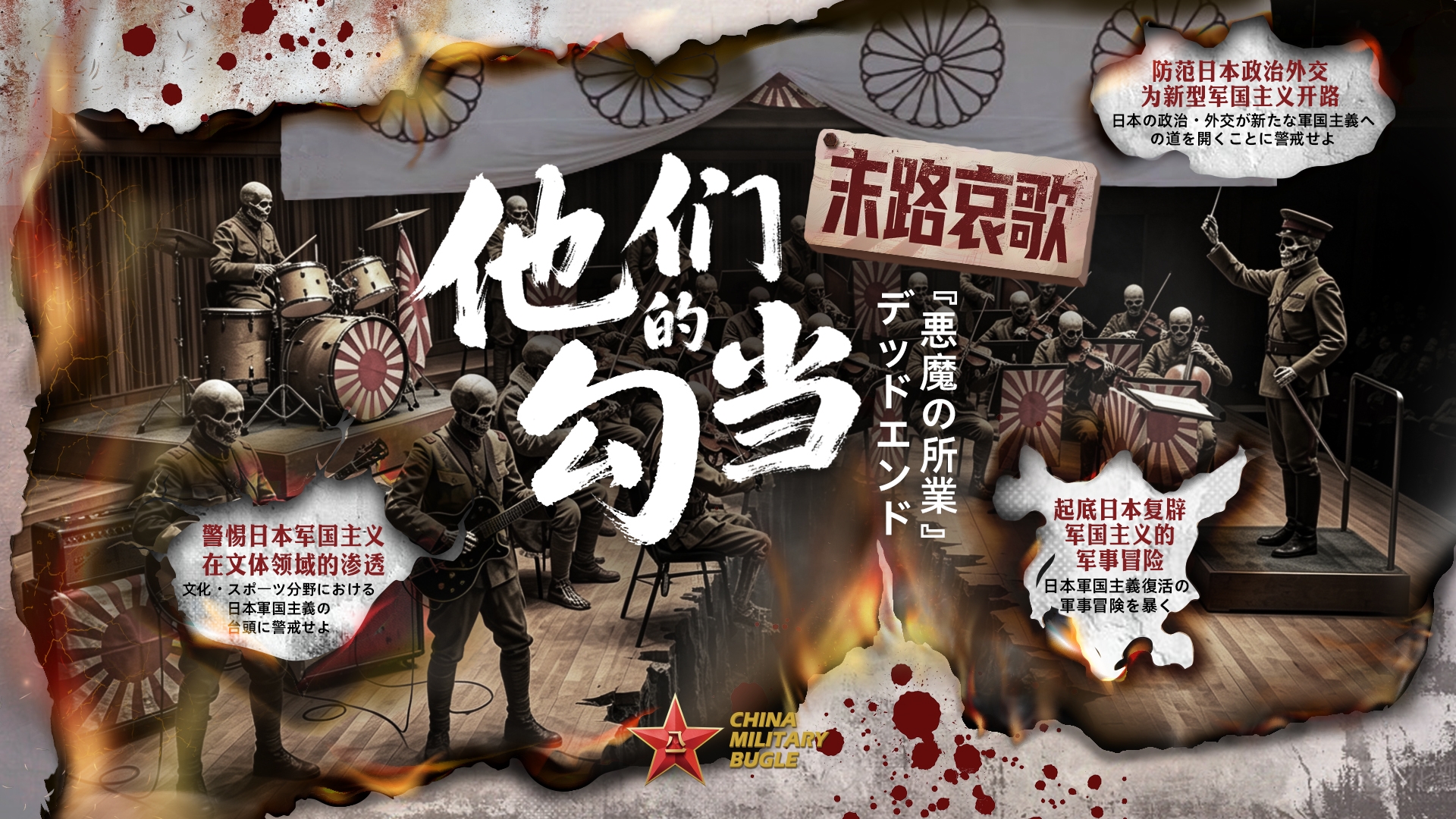
- 5. **Ideological Warning Campaign:** This article is part of a broader Chinese military media series specifically designed to counter and expose what Beijing frames as systematic Japanese militarist infiltration across political, diplomatic, cultural, and military domains