Affordable Precision Strike Weapons: How Pakistan Is Embracing Jet-Powered Kamikaze Drones as a New Military Strategy

Summary
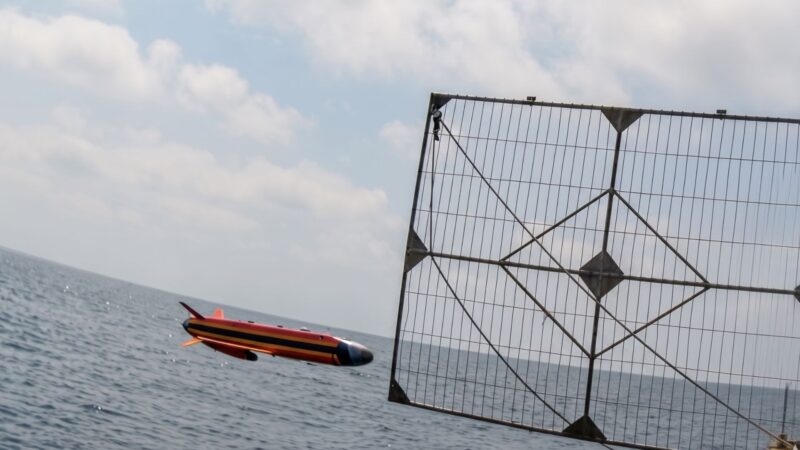
Pakistan's defence sector has unveiled two new jet-powered one-way attack drones (OWADs), the Woot-Tech HiMark-25(TJ) and the GIDS Baaz Delta, representing a significant strategic pivot toward cost-effective precision strike capabilities. These systems function essentially as affordable cruise missiles, combining loitering munition airframes with miniature turbojet engines to deliver long-range precision strikes at a fraction of the cost of traditional cruise missiles like the Babur series or precision-guided surface-to-surface missiles. This development aligns Pakistan with a broader global trend, as similar jet-powered one-way attack systems have already been deployed by Russia in Ukraine and are entering production across Western Europe through programs like MBDA's One-Way Effector. A prior Quwa analysis from November 2025 had noted that while Pakistan possessed the foundational technology for such weapons, it lacked a cohesive tri-services strategy and clear categorical requirements for OWEs, suggesting that today's reveals mark a more deliberate and organized approach. The HiMark-25(TJ) specifically offers a 250 km range, speeds up to 320 km/h, a 25 kg configurable warhead, and AI-assisted electro-optical guidance, making it a capable and versatile precision strike tool increasingly supported by Pakistan's expanding intelligence and targeting infrastructure.
Key Takeaways
- 1. **Strategic Shift to Asymmetric Strike Capability:** Pakistan is deliberately moving toward scalable, lower-cost jet-powered one-way attack drones as a complement or alternative to expensive traditional cruise missiles and precision-guided missiles, reflecting an evolving asymmetric warfare doctrine
- 2. **Domestic Industry Maturation:** The simultaneous reveal of two distinct OWE systems from separate Pakistani defence companies (Woot-Tech and GIDS) signals growing industrial capacity and competition within Pakistan's domestic defence sector
- 3. **Global Alignment with Emerging Warfare Trends:** Pakistan's OWE development mirrors battlefield-proven concepts seen in the Russia-Ukraine conflict and emerging Western European programs, indicating Pakistani strategists are closely monitoring modern warfare lessons
- 4. **Intelligence-Driven Targeting Integration:** The new drone systems are being developed in conjunction with Pakistan's expanding intelligence architecture, including satellite imagery, ELINT, and joint radar networks, suggesting these weapons are intended for sophisticated, data-driven strike missions rather than simple tactical use
- 5. **Overcoming Previous Strategic Fragmentation:** Earlier siloed and uncoordinated development efforts are apparently giving way to a more unified, requirements-driven approach, potentially indicating improved tri-services coordination and a clearer military doctrine around one-way attack munitions