Pakistan's Role as Mediator in the US-Iran Conflict and Its Strategic Westward Pivot

Summary
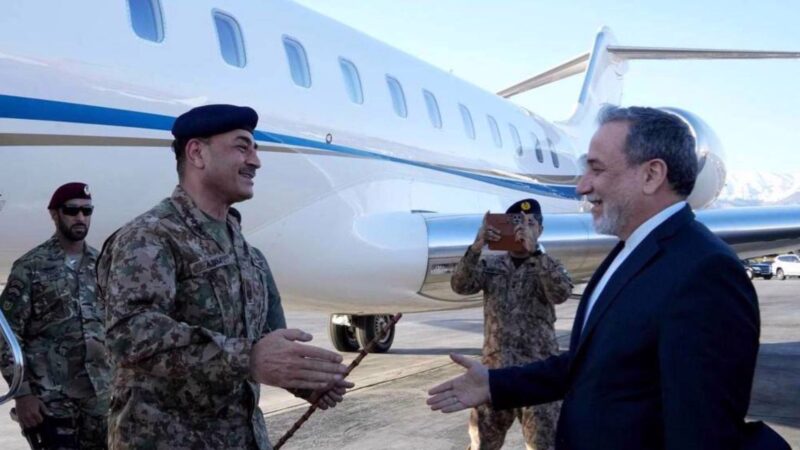
Pakistan successfully brokered a two-week ceasefire between the United States and Iran on April 8, 2026, with talks scheduled to begin in Islamabad on April 10, earning recognition from both US President Trump and Iranian Foreign Minister Araghchi for Prime Minister Sharif and Field Marshal Munir's diplomatic efforts. However, significant uncertainties remain, including whether the IRGC will participate in the Islamabad talks and whether the ceasefire will hold, particularly given that Iran rejected an initial 45-day framework proposed by Egyptian, Pakistani, and Turkish mediators in favor of its own ambitious 10-point plan demanding sanctions relief, regional conflict resolution, and compensation. The gap between negotiating positions is further highlighted by the Strait of Hormuz question, where Pakistan has already deployed naval assets to protect its own merchant shipping interests, underscoring the complexity of Pakistan's dual role as both mediator and stakeholder. Historically, the United States has consistently pressured Pakistan to orient its strategic focus westward rather than toward its eastern front with India, a dynamic that intensified following the May 2025 Pakistan-India conflict. This renewed westward pressure has accelerated Pakistan's military and diplomatic engagement across Afghanistan and the broader Middle East, positioning Islamabad as an increasingly active security actor in a region traditionally dominated by American and Gulf state influence.
Key Takeaways
- 1. Pakistan has elevated its global diplomatic profile by brokering a US-Iran ceasefire, demonstrating its capacity to serve as a credible intermediary between major adversarial powers, which carries significant strategic value for Islamabad
- 2. The fragility of the ceasefire — particularly the IRGC's uncertain participation and Iran's maximalist 10-point counter-proposal — means Pakistan faces enormous diplomatic risk if talks collapse, potentially damaging its credibility as a neutral mediator
- 3. The May 2025 India-Pakistan conflict appears to have been a strategic inflection point, accelerating US pressure on Pakistan to redirect its defence priorities westward rather than maintaining focus on its conventional deterrence posture against India
- 4. Pakistan is actively expanding its defence export and security footprint into non-traditional markets including Azerbaijan, Libya, Sudan, and Iraq, signaling a deliberate strategy to become a meaningful defence supplier and security partner in the broader Middle East and Central Asian region
- 5. Pakistan's naval deployment to protect its merchant shipping near the Strait of Hormuz illustrates how the US-Iran conflict has created direct national security imperatives for Islamabad, complicating its ability to maintain purely neutral mediator status in the ongoing conflict