Israel's Bromine Dominance: How Middle East Conflict Threatens the Global Supply of Memory Semiconductors

Summary
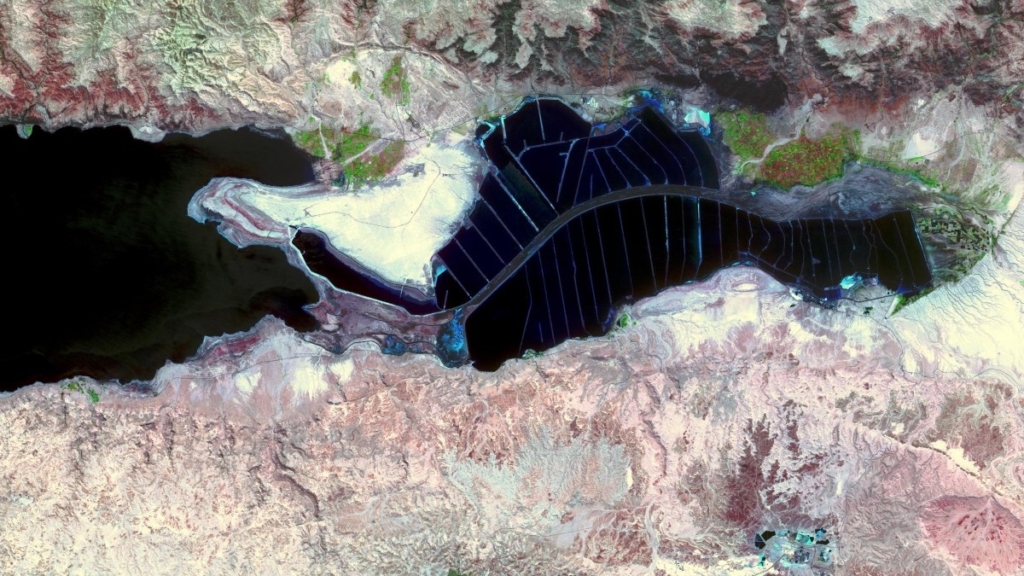
While global attention has focused on helium shortages stemming from the U.S.-Israeli conflict with Iran, a far more critical and underreported vulnerability exists in the bromine supply chain, which is essential for manufacturing DRAM and NAND flash memory chips that power virtually all modern computing devices. South Korea, home to the world's dominant memory chip producers, sources 97.5% of its bromine imports from Israel, creating an extraordinarily concentrated single point of failure in the global semiconductor supply chain. Israel's ICL Group extracts bromine from the Dead Sea, but Iranian ballistic missile strikes on the Negev region have placed this critical infrastructure within direct range of attack, with impacts landing within 35 kilometers of ICL's production complex. Unlike many commodity shortages, this one cannot be resolved through market substitution or rapid capacity expansion, as bromine already processed for industrial uses cannot be repurified to semiconductor-grade specifications, and building new conversion infrastructure takes years. A successful disruption of Israeli bromine production would trigger an immediate and cascading global shortage affecting everything from consumer electronics to military systems, with no existing policy framework or alternative supply chain capable of absorbing the impact in the near term.
Key Takeaways
- 1. South Korea's near-total dependence (97.5%) on Israeli bromine for semiconductor-grade hydrogen bromide gas represents a critical and largely unrecognized chokepoint in global chip manufacturing
- 2. Bromine-derived hydrogen bromide is chemically non-substitutable in the DRAM and NAND flash etching process, offering a 100-to-1 selectivity ratio that chlorine-based alternatives cannot match
- 3. Iranian missile strikes targeting Israel's Negev region have placed ICL Group's Dead Sea bromine extraction facilities within active threat range, making disruption a realistic near-term scenario
- 4. Existing non-Israeli producers such as Resonac, Air Liquide, and Adeka are already operating at full capacity serving TSMC, Samsung, and SMIC, leaving no reserve capacity to compensate for an Israeli supply disruption
- 5. Policymakers have yet to meaningfully respond to this vulnerability despite it being both visible and potentially more destabilizing to global technology supply chains than the widely-publicized helium shortage