Will a New Acquisition Pathway Finally Bridge the Gap Between Pentagon Innovation and Operational Reality?

Summary
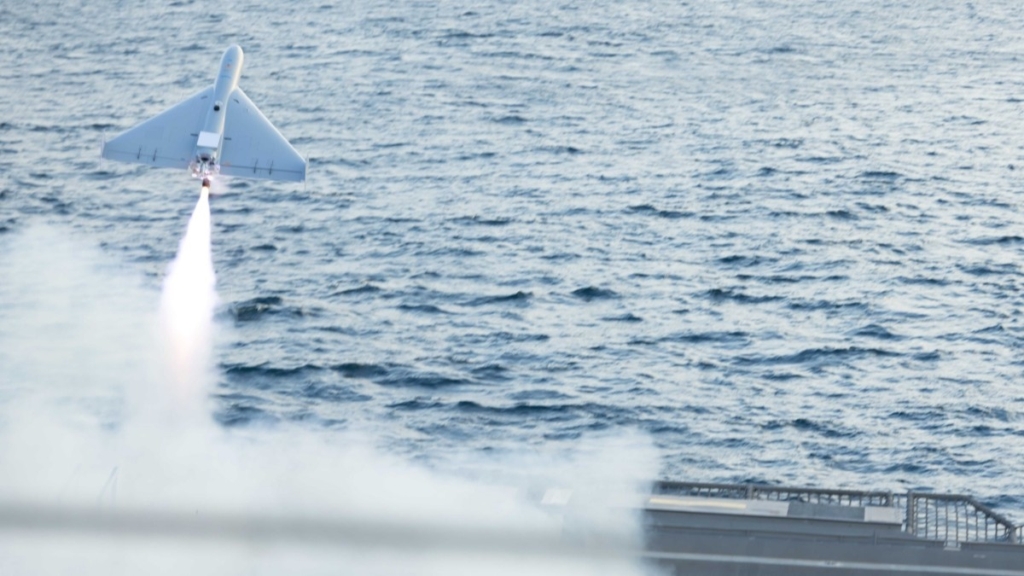
The article explores the longstanding challenge of transitioning promising defense innovations from prototype stages into full operational use, a gap commonly referred to as the "valley of death" that has persisted since the 1990s. Drawing on historical examples such as Admiral Rickover's nuclear submarine propulsion program and SpaceX's development of reusable rockets, the author illustrates how transformative defense capabilities have consistently faced institutional resistance before ultimately proving their worth. A contemporary example is provided through SpektreWorks, an Arizona startup that developed a low-cost unmanned combat drone for $35,000 per unit, which saw combat use in Operation Epic Fury in February 2026 after being fast-tracked through the Accelerate the Procurement and Fielding of Innovative Technologies program rather than traditional procurement channels. The article argues that existing innovation infrastructure, including DARPA, the Defense Innovation Unit, and SBIR programs, effectively funds exploration but fails to support the critical transition moment when validated technologies need to scale into operational deployment. A new acquisition mechanism is proposed as a potential solution to finally provide a funded, structured pathway that bridges this persistent gap between innovation and operational integration.
Key Takeaways
- 1. The "valley of death" remains a critical structural flaw in defense acquisition, where proven prototypes lack a natural funding pathway to transition into operational use
- 2. Historical breakthroughs like Rickover's nuclear submarine reactor and SpaceX's reusable rockets succeeded despite fierce institutional resistance, suggesting innovation often requires bypassing traditional channels
- 3. The SpektreWorks drone, deployed in combat within seven months of unveiling, demonstrates that faster and more cost-effective acquisition is achievable outside traditional program-of-record structures
- 4. Existing defense innovation infrastructure such as DARPA and the Defense Innovation Unit is optimized for exploration, not operational scaling, leaving a critical gap unfilled
- 5. A new dedicated acquisition mechanism could provide the missing institutional and financial bridge needed to consistently move validated defense technologies from prototype to operational deployment