The Strength of Storytelling: How Iran Won Both the War and the Information Battle

Summary
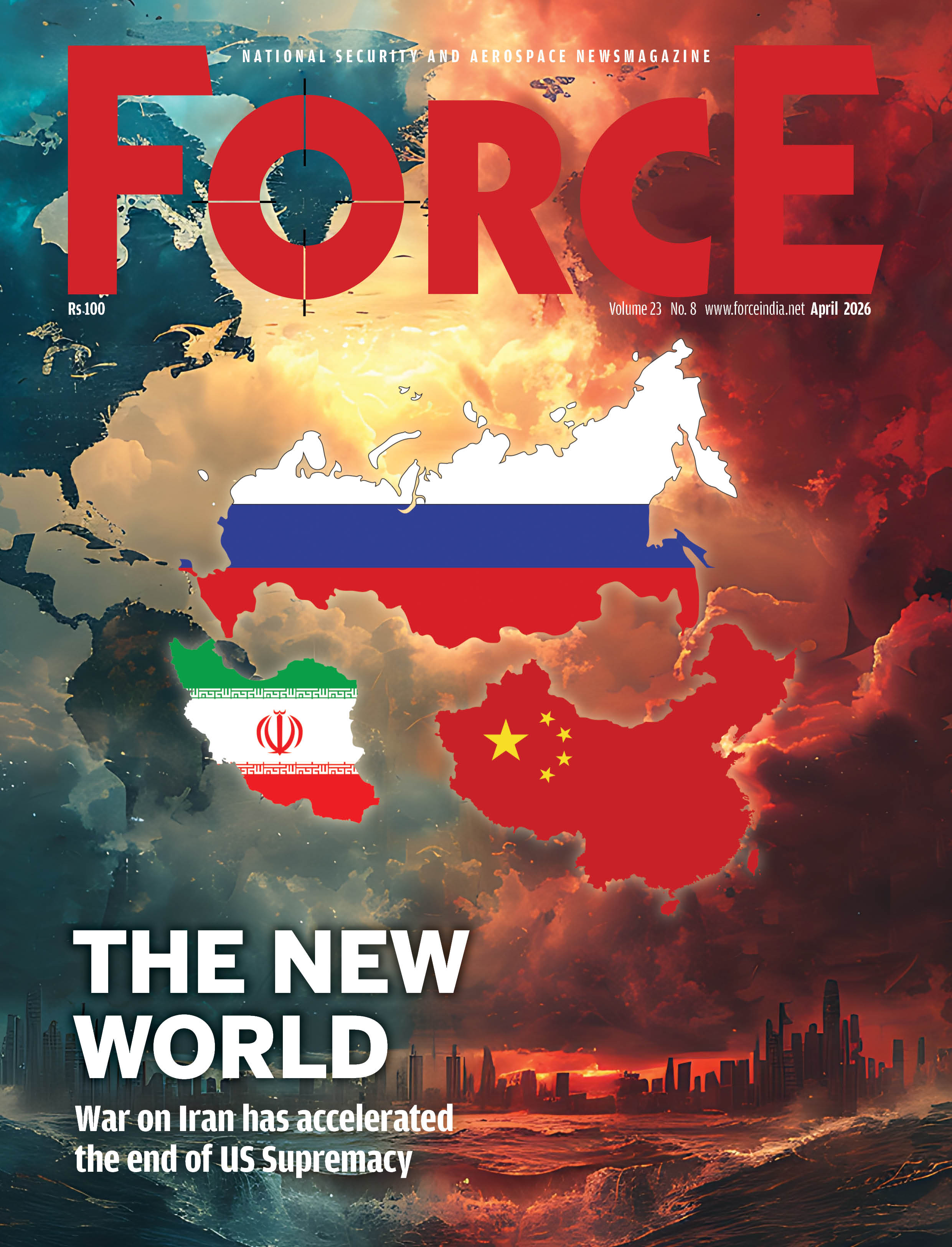
Following a US-Pakistan brokered two-week ceasefire on April 8th, Iran emerged as a strategic victor in a 40-day conflict imposed by Israel and the United States, having successfully resisted pressure to accept terms that would have weakened its geopolitical standing. Despite suffering significant human and material losses, Iran demonstrated remarkable resilience by continuing to strike Israeli and US assets across West Asia, forcing even President Trump to pursue peace negotiations for nearly three weeks before Iran agreed to talks. Iran's refusal to accept a simple ceasefire was strategically calculated, as accepting US-proposed terms would have handed Washington a perceived victory while leaving Iran vulnerable to continued Israeli attacks and potential re-imposition of sanctions. Iran held a decisive advantage in the global narrative battle for three key reasons: it was repeatedly betrayed by the US-Israel partnership despite pursuing peaceful resolutions, it was clearly positioned as the aggrieved party in world opinion, and Israel showed no concern for moral standing or international perception throughout the conflict. The shift in global opinion against the US-Israel alliance was exemplified by Italy's eventual condemnation of an American strike on a primary school in Minab, reflecting growing civilian pressure on Western governments to withdraw their vocal support.
Key Takeaways
- 1. Iran successfully leveraged its battlefield resilience to negotiate from a position of strength, securing a comprehensive peace framework rather than a simple ceasefire that could have left it strategically vulnerable
- 2. Israel's military strategy focused on maximally degrading Iran's military, industrial, infrastructural, and leadership capabilities with the intent of setting back Iranian recovery by at least a decade
- 3. Iran's ability to absorb significant casualties while simultaneously striking US and Israeli assets across West Asia demonstrated a credible asymmetric deterrence capability that forced diplomatic engagement
- 4. The conflict highlighted the critical importance of narrative warfare alongside kinetic operations, with Iran's status as the aggrieved party generating significant global sympathy that eroded Western governmental support over time
- 5. Pakistan's role as a ceasefire mediator signals an evolving regional diplomatic architecture in West and South Asia, suggesting new power brokers are emerging outside traditional Western-led frameworks