Manufactured Justifications: How Women's Rights Have Been Exploited to Legitimize Military Conflicts Without Adequate Feminist Opposition

Summary
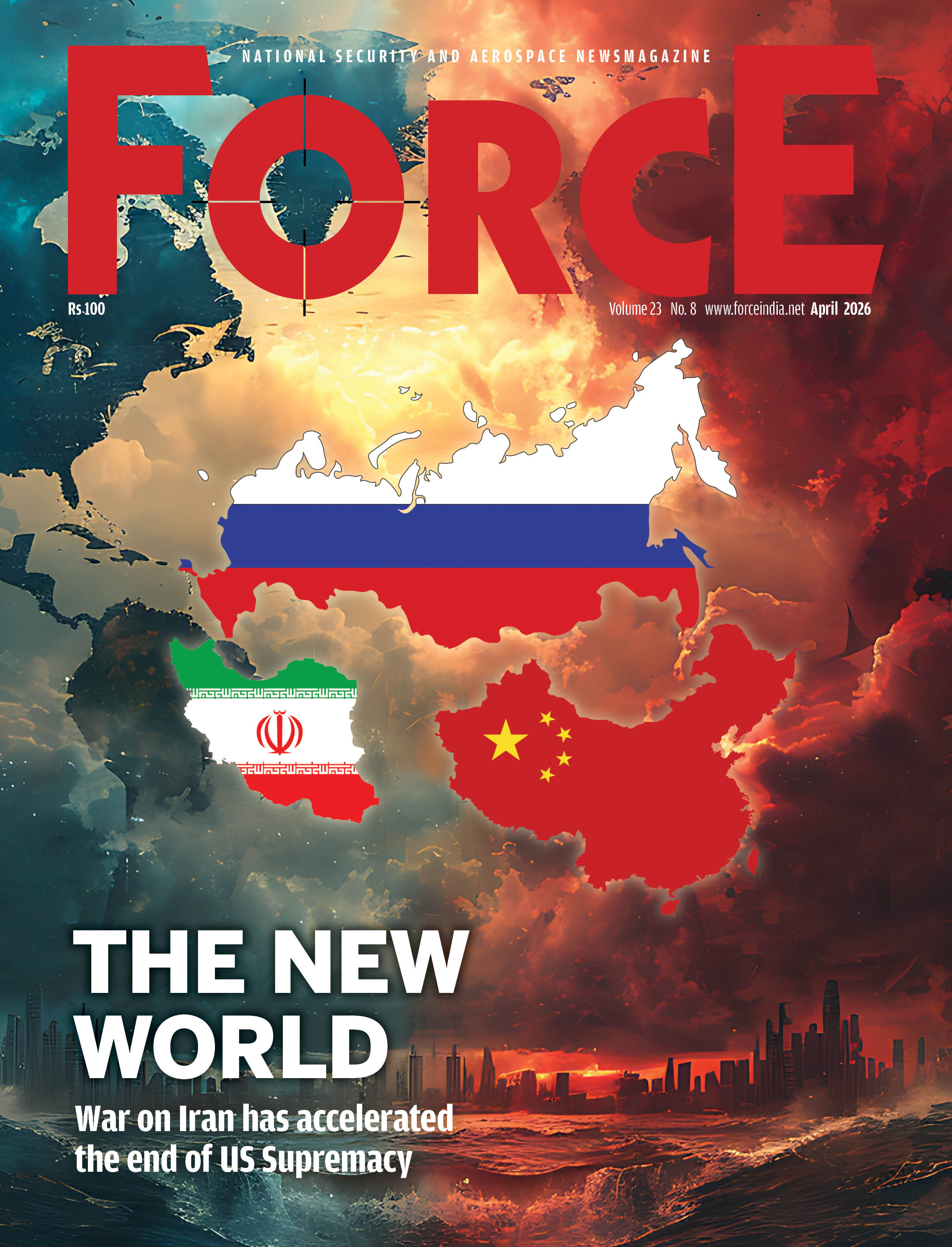
The article critiques the phenomenon of "imperial feminism," whereby Western nations, particularly the United States and Israel, have strategically invoked women's rights and oppression narratives to morally justify military interventions, invasions, and regime change operations against Muslim-majority nations, most recently in the context of the conflict against Iran. The piece highlights that Iranian women within Iran themselves have rejected external military "liberation," pointing to impressive statistics showing women's significant participation in Iranian scientific and academic spheres, undermining the narrative of a universally oppressed female population requiring foreign rescue. The article argues that Western feminist movements have largely failed in their responsibility to challenge this weaponization of feminist discourse, which has simultaneously fueled Islamophobia and served as moral cover for illegal military actions condemned by international law and US intelligence officials. Scholars such as Lila Abu Lughod and Katharina Motyl are cited as prominent academic voices exposing how women's liberation rhetoric has historically functioned as ideological justification for empire-building, from the Mexican-American War through post-9/11 counter-terrorism campaigns. The article draws direct parallels between failed interventions in Afghanistan and Iraq and current actions against Iran, arguing that such interventions consistently fail to deliver genuine democratic liberation.
Key Takeaways
- 1. **Military Justification through Feminist Rhetoric:** Defense and military establishments have systematically weaponized women's rights narratives to provide moral and ideological legitimacy for military strikes, drone attacks, and regime change operations, representing a calculated information warfare strategy
- 2. **Intelligence vs. Political Narrative Gap:** Senior US intelligence and security officials explicitly stated Iran posed no genuine threat to the United States, exposing a significant disconnect between military-political justifications and actual strategic threat assessments
- 3. **Failed Liberation Doctrine:** Historical military interventions in Afghanistan and Iraq demonstrate that using women's liberation as a military pretext has consistently failed to produce genuine democratic outcomes, undermining the strategic and humanitarian rationale for such operations
- 4. **Diaspora Influence on Military Public Opinion:** The viral mobilization of Iranian diaspora communities in Western nations supporting military action illustrates how social media and émigré populations are increasingly significant factors in shaping public support for aerospace and military operations
- 5. **International Law Implications:** Experts and legal scholars have categorized the military actions against Iran as unwarranted and illegal under international law, raising critical questions about the legitimacy framework governing modern aerospace strikes and military interventions