Striking the Right Balance: Why Aircraft Carriers and Nuclear Submarines Are Both Essential in Contemporary Naval Warfare

Summary
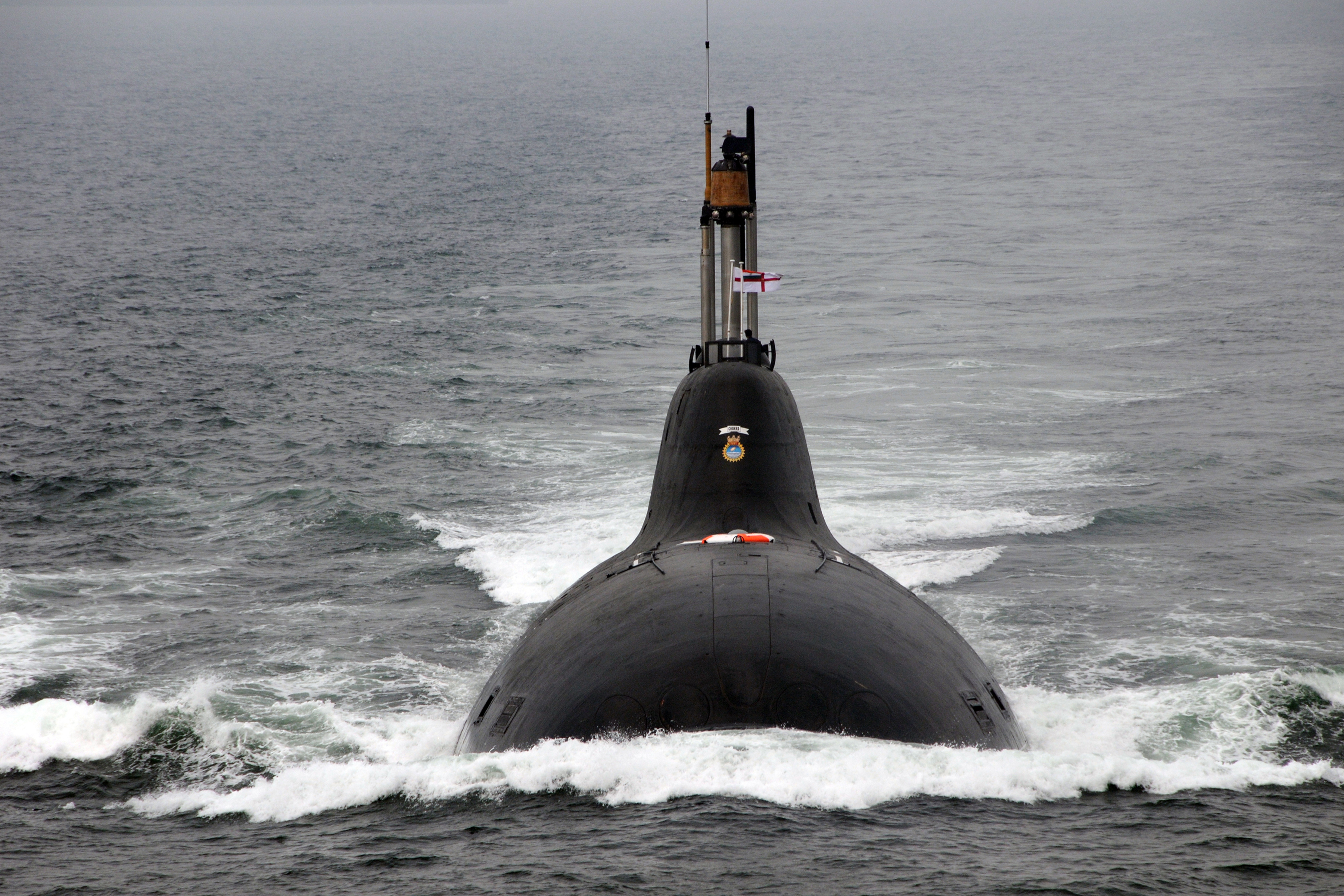
Recent geopolitical tensions involving unconfirmed Iranian threats against a U.S. aircraft carrier and the subsequent repositioning of the USS Abraham Lincoln into the Indian Ocean have reignited the longstanding debate between aircraft carriers and submarines as primary naval assets. Rather than framing this as a competition with a clear winner, modern strategic thinking recognizes that carriers and nuclear-powered attack submarines (SSNs) fulfill fundamentally distinct and complementary roles — carriers for power projection and sea control, and SSNs for stealth-based sea denial and undersea dominance. Aircraft carriers remain unrivaled in their ability to deliver sustained, flexible air power across strike, air defense, electronic warfare, and reconnaissance missions without relying on foreign land bases or politically sensitive basing agreements, which is why major naval powers including the U.S., India, China, the UK, and France continue to invest heavily in carrier capability. However, the carrier's very visibility and high-value status make it an attractive target, meaning its survivability depends entirely on the robustness of its multi-layered protective envelope rather than any inherent toughness of its own. The strategic conclusion is that modern navies can no longer designate either platform as the sole capital ship, and the most effective fleets are those that deliberately design their force structures to leverage both assets according to their respective strengths.
Key Takeaways
- 1. **Complementary Roles Over Competition:** Carriers and SSNs are no longer rival platforms but complementary assets — carriers dominate in power projection and sea control, while SSNs excel in sea denial, stealth, and holding high-value targets at risk, making both indispensable in modern naval doctrine.
- 2. **Carrier Vulnerability Is a Critical Strategic Concern:** Despite their unmatched combat capability, aircraft carriers are large, visible, and high-value targets that require dense, multi-layered protective envelopes to survive in contested environments, reflecting a broader truth about all major military assets.
- 3. **SSNs as Strategic Equalizers:** Nuclear-powered attack submarines are increasingly recognized as among the most efficient platforms for threatening high-value surface units, combining stealth with long-range sensors and weapons, which significantly complicates adversarial carrier operations and battle group planning.
- 4. **Indo-Pacific and Indian Ocean as Critical Theaters:** The strategic value of carriers is particularly pronounced in the Indo-Pacific and Indian Ocean regions, where land basing is often politically constrained or contested, reinforcing the carrier's role as a sovereign, mobile airfield independent of host-nation agreements.
- 5. **Force Structure Must Reflect Dual-Platform Reality:** Leading naval powers are compelled to design their fleets around the explicit integration of both carrier and SSN capabilities, signaling a doctrinal shift away from single-platform dominance toward a balanced, multi-domain naval force structure.