What Pakistan Can Learn from Iran's Ballistic Missile-Focused Defence Approach

Summary
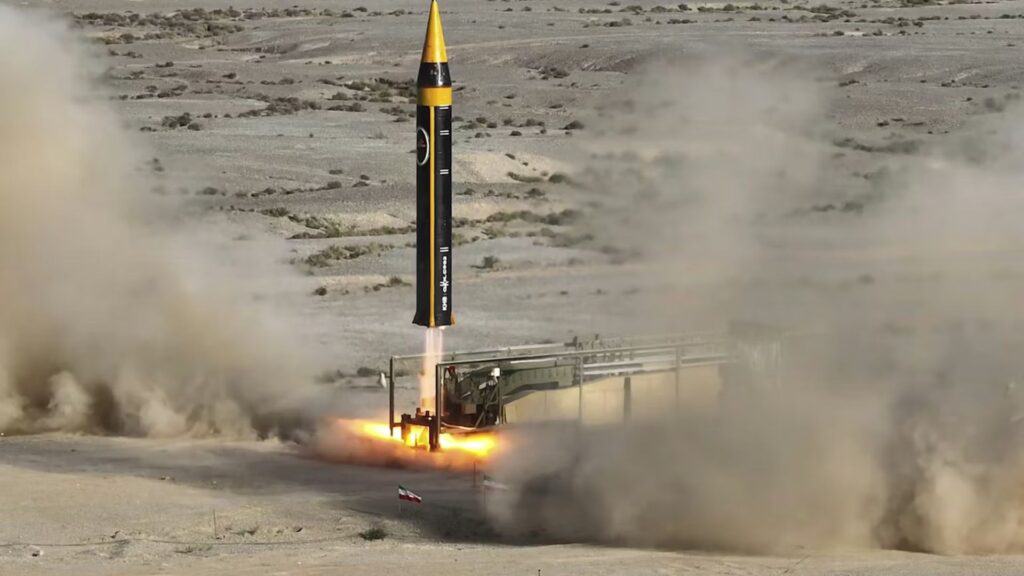
Iran's decades-long investment in a ballistic missile-centered defence strategy, driven largely by its inability to rebuild a conventional air force following the Iran-Iraq War and sustained Western arms embargoes, has provided a real-world stress test of such a posture in its ongoing conflict with the United States and Israel. While Iran's missile strikes have generated significant strategic and psychological effects, their tactical military impact has remained limited compared to what a capable conventional air force could achieve, and Iranian launch rates have declined considerably due to strikes on its stockpiles. Pakistan's emerging solid-fuel ballistic missile arsenal, including the Fatah-2, Abdali Weapon System, and SMASH anti-ship ballistic missile, draws notable parallels to Iran's Fateh-series development model, where a core platform was progressively evolved into longer-range, multi-role variants. However, the article emphasizes that Pakistan's strategic environment, military doctrine, and defence industrial base differ substantially from Iran's, meaning the Iranian model cannot be directly replicated by Islamabad. The analysis signals that Pakistan's Army is deliberately building a structured rocket-force capability, suggesting a strategic intent to leverage ballistic missiles as a credible component of its broader deterrence and offensive strike architecture.
Key Takeaways
- 1. Iran's ballistic missile strategy was born out of necessity, shaped by its inability to maintain a modern air force due to prolonged Western sanctions and institutional divisions between the IRGC and conventional military forces
- 2. While Iran's missile campaigns have produced meaningful strategic and perceptual effects, their limited tactical precision and declining launch rates under enemy strikes highlight the operational vulnerabilities of a BM-centric defence posture
- 3. Pakistan's new generation of solid-fuel ballistic missiles mirrors Iran's iterative Fateh-series development approach, suggesting Islamabad is pursuing a similar path of platform diversification into longer-range and multi-role variants
- 4. Pakistan's strategic context differs fundamentally from Iran's — facing a nuclear-armed India rather than Western-imposed isolation — meaning its ballistic missile doctrine must be calibrated to a distinct deterrence environment
- 5. The structured development of Pakistan Army's rocket-force signals a deliberate institutional commitment to ballistic missiles as a core element of conventional and sub-strategic military power projection