China Deploys Latest Batch of Low-Orbit Internet Satellites into Space

Summary
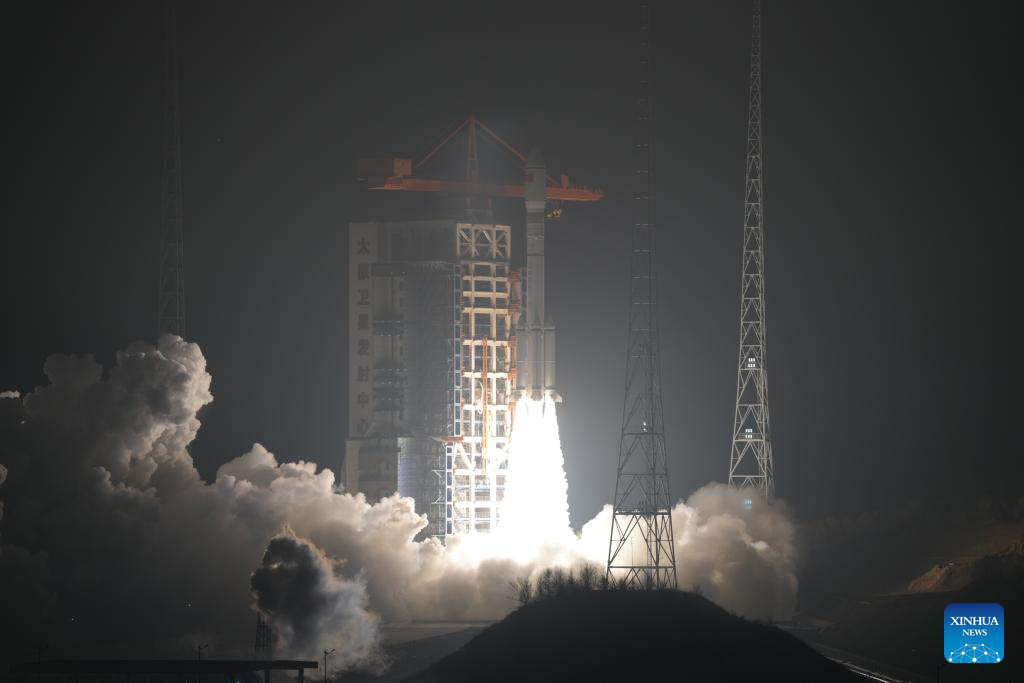
China successfully launched its 21st group of low-orbit internet satellites from the Taiyuan Satellite Launch Center in Shanxi Province on April 9, 2026, at 3:38 a.m. Beijing time. The satellite constellation was carried into orbit aboard a modified Long March-6 carrier rocket, successfully reaching its designated orbital position. This mission represents a continued and systematic expansion of China's low-Earth orbit (LEO) satellite internet infrastructure, following a series of prior launches in the same program. The launch also marked a significant milestone for China's space program, representing the 637th flight mission conducted by the Long March carrier rocket series. The deployment underscores China's accelerating pace of space-based communications development, positioning it as a growing competitor in the global satellite internet arena alongside programs like SpaceX's Starlink.
Key Takeaways
- 1. **Expanding LEO Constellation:** China is systematically building out its low-orbit internet satellite network, now having deployed at least 21 satellite groups, signaling strong strategic intent to develop sovereign space-based communications infrastructure.
- 2. **Military-Civil Dual-Use Potential:** Low-orbit internet satellite constellations carry significant military implications, as they can support secure battlefield communications, ISR (intelligence, surveillance, reconnaissance), and command-and-control networks.
- 3. **Proven Launch Reliability:** The Long March rocket series reaching 637 missions demonstrates China's mature and reliable space launch capability, a critical enabler for sustained military and civilian space operations.
- 4. **Strategic Competition with Western Powers:** China's rapid LEO satellite deployment directly challenges U.S. and allied dominance in space-based communications, potentially reducing Western advantages in information warfare and connectivity.
- 5. **Space as a National Security Priority:** The consistent cadence of these launches reflects China's broader national strategy to achieve space superiority, aligning with its military modernization goals under the PLA Strategic Support Force's space mission.