China Blames Takaichi's Controversial Taiwan Statements as the Underlying Source of Deteriorating Sino-Japanese Relations

Summary
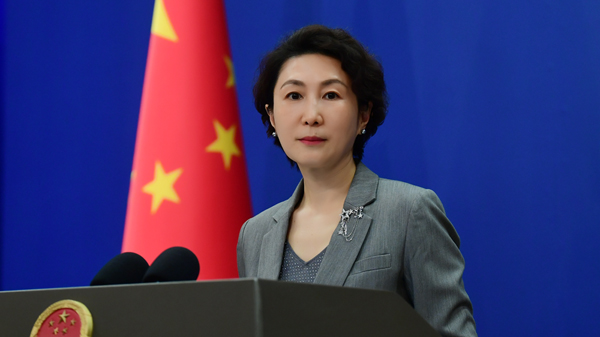
China's Foreign Ministry spokesperson Mao Ning identified Japanese Prime Minister Sanae Takaichi's controversial remarks on Taiwan as the fundamental cause of the current deterioration in China-Japan bilateral relations. Speaking at a regular press briefing on April 10, 2026, Mao asserted that Takaichi's statements not only violated Japan's prior commitments but also undermined the political foundation upon which China-Japan relations are built. The spokesperson highlighted that Japan's diplomatic language toward China had notably shifted, downgrading its characterization of China from "one of the most important bilateral relations" to merely "an important neighbor," signaling a cooling of diplomatic ties. China demanded that Japan adhere to the four existing political documents governing their bilateral relationship and take concrete corrective actions to restore the political foundation of their relations. Beijing further framed Takaichi's Taiwan remarks as a challenge to the post-World War II international order, elevating the dispute beyond a bilateral issue to one of broader geopolitical significance.
Key Takeaways
- 1. **Taiwan Remains a Critical Flashpoint:** China views any foreign leader's statements supporting or legitimizing Taiwan's status as a direct provocation, capable of triggering significant diplomatic deterioration
- 2. **Erosion of Diplomatic Foundations:** Japan's shift in describing China signals a measurable downgrade in bilateral relations, reflecting growing strategic and political tensions between the two nations
- 3. **Post-War Order as a Strategic Narrative:** China is framing the dispute within the context of the post-WWII international order, strengthening its diplomatic and moral position on the global stage
- 4. **Four Political Documents as Leverage:** Beijing is using the established framework of four bilateral political agreements to hold Japan accountable and pressure Tokyo into policy compliance
- 5. **Leadership-Driven Diplomatic Risk:** Takaichi's premiership represents a more assertive Japanese stance, potentially reshaping the regional security environment and increasing friction with China over Taiwan and sovereignty issues