HAL Addresses Tejas MK-1A Radar Supply Disruptions Caused by Middle East Conflict, Anticipates Supply Chain Recovery

Summary
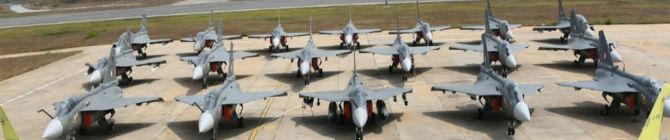
HAL Chairman and Managing Director Dr. D.K. Sunil has acknowledged that the ongoing conflict in West Asia (Middle East) has caused delays in the delivery of Israeli-sourced radar and electronic warfare systems for the Tejas MK-1A fighter aircraft, but assured that the situation is being effectively managed. The critical systems affected include ELTA-derived ELM-2052 AESA radar and advanced electronic warfare modules, which significantly enhance the aircraft's combat detection, tracking, and countermeasure capabilities compared to earlier variants. Dr. Sunil clarified that aircraft currently in production already possess the required equipment, meaning near-term deliveries to the Indian Air Force should not face significant setbacks. HAL has experienced software delivery delays from Israel but has successfully received upgrades, drawing confidence from a similar situation during a previous conflict when Israeli plants resumed operations and fulfilled their commitments. The company remains optimistic that the conflict will resolve quickly, allowing supply chains to normalize and the Tejas MK-1A program to stay aligned with the Indian Air Force's modernization timeline.
Key Takeaways
- 1. **Supply Chain Vulnerability Exposed:** India's dependence on Israeli-sourced radar and EW systems for the Tejas MK-1A highlights a strategic vulnerability in defence procurement when supplier nations face geopolitical instability.
- 2. **Short-Term Impact Mitigated:** HAL has secured sufficient radar and EW equipment for aircraft currently under production, ensuring that immediate deliveries to the Indian Air Force remain largely unaffected.
- 3. **Critical Technology at Stake:** The AESA radar and electronic warfare suite are mission-critical components, and any prolonged delay could compromise the IAF's combat modernization and operational readiness goals.
- 4. **Diversification Imperative:** The disruption underscores the urgent need for India to accelerate indigenous development of radar and EW systems under the Atmanirbhar Bharat initiative to reduce reliance on foreign suppliers.
- 5. **IAF Modernization Timeline at Risk:** With significant orders placed for the Tejas MK-1A, any extended supply disruption could delay the Indian Air Force's squadron induction plans, impacting its overall force modernization strategy.